
Compact on Paper—Complicated in Real Life
When buyers first look for a folding electric bike supplier, the decision often feels straightforward.
The bike folds.
It’s lightweight.
It fits into small spaces.
That’s exactly what the market asks for.
But once these bikes are used in real life, especially in cities, the story changes.
A commuter folds and unfolds the bike twice a day.
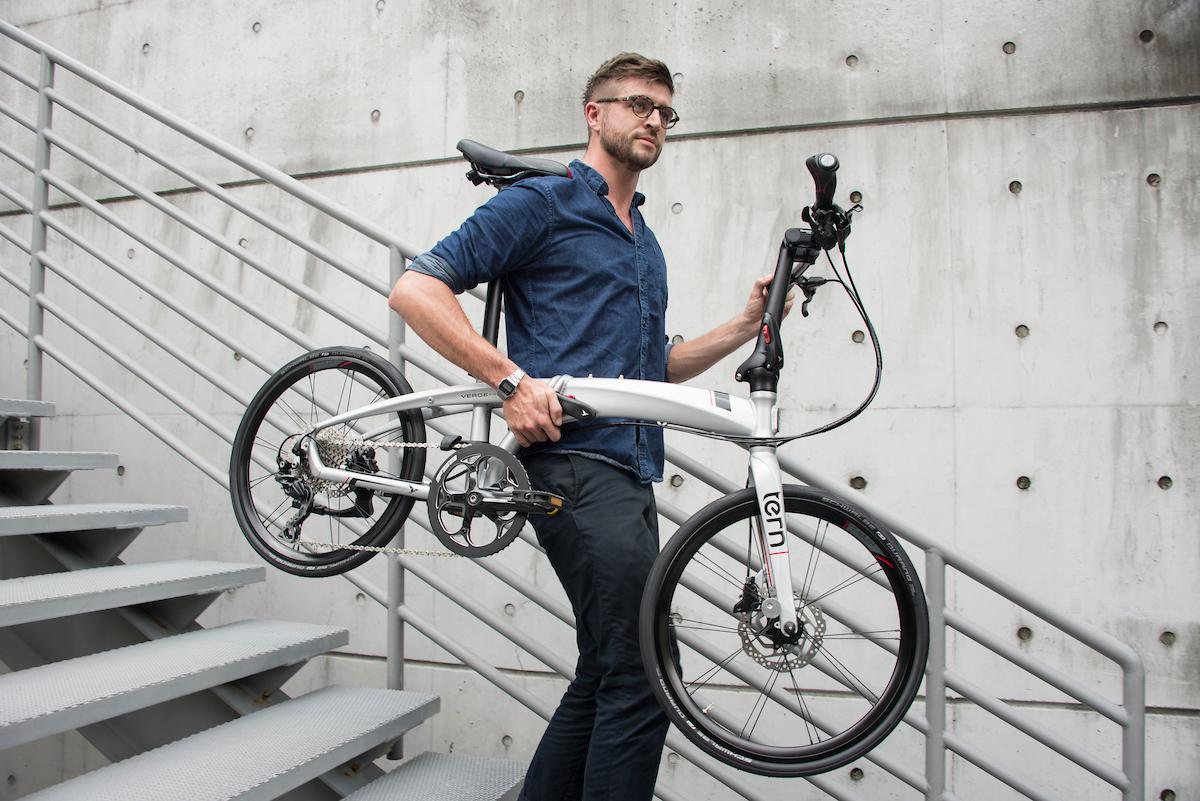
Carries it into elevators.
Places it in a car trunk.
Rides it through traffic.
Repeat. Every day.
This is where many folding bikes begin to reveal their limitations—not in design, but in durability.
We’ve seen distributors receive positive early feedback, only to face complaints weeks later: hinges loosening, locking systems feeling less secure, or the ride becoming less stable over time.
These are not dramatic failures. They are accumulated wear problems.
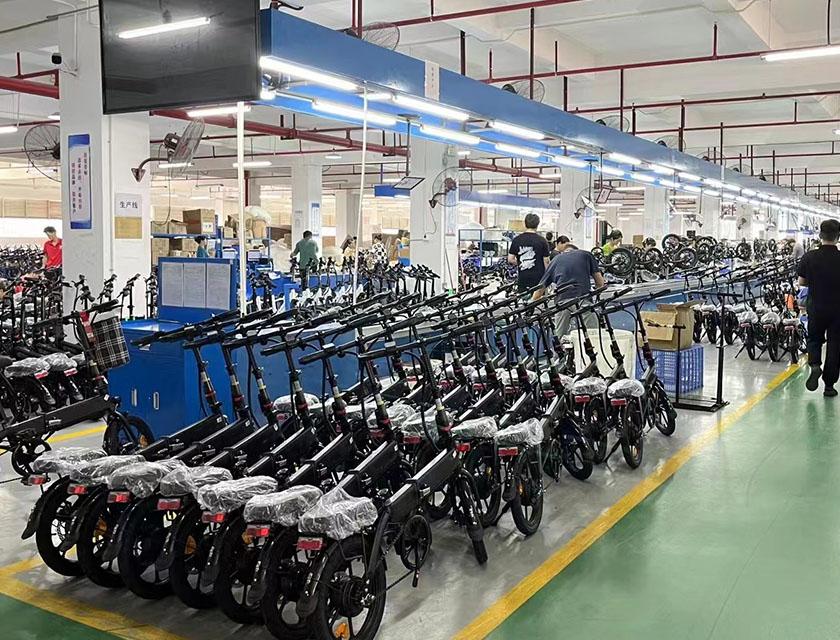
At OTMAR, we treat folding electric bikes not as a convenience feature—but as a high-frequency mechanical system that must remain stable over repeated use.
What Makes a Folding Electric Bike Supplier Different
Unlike standard e-bikes, folding models introduce an extra layer of complexity: moving structure.
A professional folding electric bike supplier must control not just performance, but structural behavior over time.
This includes:
- Precision hinge alignment
- Durable locking mechanisms
- Consistent folding tolerance across units
- Structural rigidity after repeated cycles
| Structural Element | Why It Matters |
|---|---|
| Folding hinge | Determines long-term durability |
| Locking system | Ensures safety during riding |
| Frame joints | Affects ride stability |
| Alignment precision | Maintains consistent performance |
Organizations such as the European Cyclists’ Federation emphasize that structural integrity is critical for safe cycling in urban environments.
https://ecf.com
A reliable folding electric bike supplier ensures that the folding mechanism does not become a weak point.
Daily Handling Is the Real Stress Test
Folding bikes are handled more than they are ridden.
That’s the key difference.
Each day includes:
- Folding and unfolding cycles
- Lifting and carrying
- Storage in tight spaces
- Exposure to minor impacts
Over time, these actions create stress on:
- Hinges
- Locking points
- Frame joints
- Electrical wiring near folding areas
At OTMAR, we design folding bikes specifically for this pattern of use.
Instead of focusing only on ride performance, we focus on:
- Resistance to repeated folding cycles
- Structural stability after long-term use
- Protection of internal wiring systems
A capable folding electric bike supplier must design for handling durability, not just riding durability.
Why Stability Matters More Than Weight
Many buyers prioritize lightweight design when choosing folding bikes.
And that makes sense—until stability becomes an issue.
A bike that is easy to carry but feels unstable to ride will not survive long in the market.
We’ve seen cases where:
- Ultra-light frames reduced structural strength
- Compact designs affected balance
- Riders felt less confident at higher speeds
At OTMAR, we approach this differently.
Instead of minimizing weight at all costs, we balance:
- Structural rigidity
- Weight distribution
- Riding stability
This ensures that the bike feels reliable during actual use.
A professional folding electric bike supplier understands that portability is only valuable if the bike remains safe and stable.
Case: When Lightweight Became a Problem
A distributor in Southeast Asia launched a folding electric bike model focused heavily on portability.
The product was extremely compact and easy to carry—exactly what customers initially wanted.
However, after a few months of usage, feedback started to shift.
Users reported:
- Slight frame movement after repeated folding
- Reduced stability at moderate speeds
- Concerns about long-term durability
The issue wasn’t failure—it was imbalance.
After working with OTMAR, the distributor introduced a revised design that improved structural strength while slightly increasing weight.
The result was clear:
Customers preferred a bike that felt stable—even if it was a bit heavier.
This experience showed that a reliable folding electric bike supplier must prioritize long-term usability over short-term appeal.
Certification Still Applies to Folding Designs
Even though folding bikes are compact, they must meet the same safety standards as other electric bikes.
| Certification | Purpose |
|---|---|
| CE | European market compliance |
| EN15194 | Electric bicycle standard |
| UL 2849 | Electrical safety |
| UN38.3 | Battery transport |
According to UL Solutions, electrical system validation is essential for all electric mobility products, regardless of size.
https://www.ul.com
A professional folding electric bike supplier ensures compliance is built into the product, not added afterward.
Logistics Advantage—If Done Right
Folding bikes offer one major advantage: efficiency in shipping.
Because of their compact size, they can reduce logistics costs significantly.
| Packaging Type | Benefit |
|---|---|
| Folded assembled | Ready-to-use with reduced volume |
| SKD packaging | Further cost optimization |
| CKD packaging | Maximum shipping efficiency |
However, poor packaging can damage folding structures during transport.
At OTMAR, packaging design is aligned with product structure, ensuring that folding joints and key components are protected.
A reliable folding electric bike supplier understands that logistics is part of product quality.
OTMAR: Built for Real-World Folding Use
Folding electric bikes are not just about saving space—they are about adapting to real urban life.
OTMAR focuses on building folding bikes that maintain stability, durability, and usability across repeated daily use.
You can explore our electric bike and electric trike solutions here:
https://www.otmarx.com/
If you are sourcing folding electric bikes or planning to expand your product line, our team is ready to support your project:
https://www.otmarx.com/en/contact-us
Because a folding bike is not judged by how small it folds—but by how well it performs after hundreds of folds.