
Where Most Electric Bicycle Failures Actually Start
When electric bicycles fail, the problem is rarely caused by a single component. In most cases, it is the result of poor system integration.
For example, a battery may meet capacity specifications, but if it does not match the motor and controller properly, pe
Key failure sources typically include:
| Failure Area | Root Cause |
|---|---|
| Battery performance drop | Inconsistent cell quality or poor BMS integration |
| Motor overheating | Mismatch between load demand and motor capacity |
| Controller instability | Poor calibration or incompatible firmware |
| Brake wear | Insufficient braking system for total bike weight |
Organizations such as LEVA-EU highlight that integration between electrical and mechanical systems is one of the most critical factors in electric bicycle reliability.
https://leva-eu.com
A professional electric bicycle supplier must therefore ensure that all components function as a unified system, not as independent parts.
Designing for Lower Maintenance, Not Just Performance
Many suppliers design electric bicycles for initial performance—speed, range, or visual appeal. But for distributors and fleet operators, long-term maintenance is often more important.
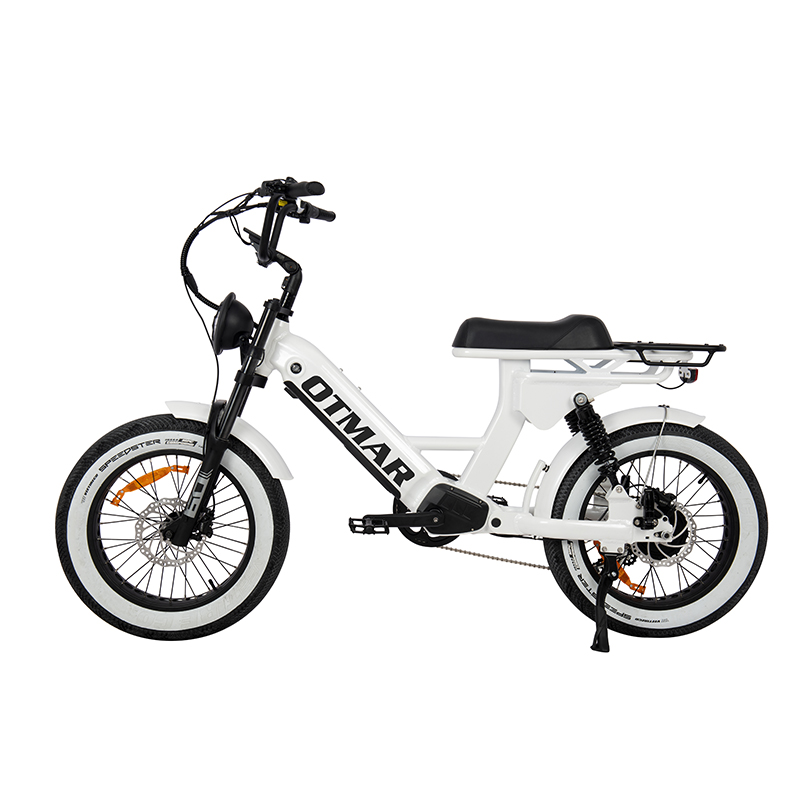
At OTMAR, we focus on reducing service frequency through design decisions made early in the development process.
Instead of maximizing peak performance, we prioritize:
-
Stable motor output under continuous use
-
Battery systems optimized for repeated charging cycles
-
Durable wiring layouts that resist vibration damage
-
Brake systems matched to total vehicle load
This approach results in electric bicycles that may appear similar on paper, but behave very differently over time.
A reliable electric bicycle supplier understands that durability is not a feature—it is a system outcome.
What Low Return Rates Actually Depend On
Return rates are one of the clearest indicators of product quality in the electric bike business.
From our experience working with distributors, return issues usually fall into three categories:
| Return Type | Typical Cause |
|---|---|
| Performance complaints | Range or power inconsistency |
| Mechanical issues | Frame alignment or braking instability |
| Electrical failures | Battery or controller malfunction |
Reducing return rates requires more than quality inspection—it requires consistency across production batches.
OTMAR maintains strict control over component sourcing and assembly processes to ensure that every shipment performs the same as the previous one. This consistency allows distributors to build trust with their customers and reduce after-sales workload.
For businesses scaling their product lines, choosing the right electric bicycle supplier directly impacts operational efficiency.
Certification and Safety: Reducing Liability Risks
After-sales problems are not only technical—they can also become legal risks.
Electric bicycles must comply with safety standards to ensure they can be sold and used safely in different markets.
Key certifications include:
| Certification | Purpose |
|---|---|
| CE | Confirms compliance with EU safety standards |
| EN15194 | Defines technical requirements for electric bicycles |
| UL 2849 | Verifies electrical system safety |
| UN38.3 | Ensures safe transport of lithium batteries |
According to UL Solutions, proper certification significantly reduces the risk of electrical failure and improves product safety in real-world use.
https://www.ul.com
A professional electric bicycle supplier integrates certification into product development, reducing both technical and legal risks for distributors.
Case: When Lower Return Rates Changed a Distributor’s Business
A distributor in Southern Europe once struggled with high return rates from their electric bicycle product line. Customers frequently reported battery issues and inconsistent performance.
After analyzing the situation, it became clear that the problem was not the design itself, but the lack of consistency in production quality from their previous supplier.
When they began working with OTMAR, the first priority was not redesign—it was stability.
We adjusted component matching, improved assembly processes, and ensured stricter quality control across batches.
Within the first two product cycles, the distributor reported a noticeable reduction in return rates. More importantly, their customer satisfaction improved, and their service team spent less time handling recurring issues.
This shift allowed them to focus more on sales and expansion rather than after-sales problem solving.
This is how the right electric bicycle supplier can directly influence business performance.
Logistics and Spare Parts: The Overlooked Side of After-Sales Support
Even with high-quality products, distributors still need efficient after-sales support systems.
One critical factor is the availability of spare parts.
Without proper planning, even small issues can become major problems if replacement components are not available quickly.
OTMAR supports partners by providing:
-
Standardized component systems for easier replacement
-
Spare parts planning for bulk orders
-
Packaging solutions that protect critical components
-
Documentation for maintenance and troubleshooting
In addition, shipping arrangements are designed to minimize damage during transport, reducing the likelihood of defects caused by logistics.
A professional electric bicycle supplier understands that after-sales support begins before the product is delivered.
OTMAR: Helping You Build a More Reliable Product Line
At some point, every distributor realizes that product selection is not just about features—it is about long-term reliability and operational efficiency.
OTMAR focuses on delivering electric bicycles that reduce after-sales risks and improve overall product stability. By combining engineering expertise, consistent production processes, and structured support systems, we help partners build product lines that perform reliably over time.
You can explore our electric bike and electric trike solutions here:
https://www.otmarx.com/
If you are looking to reduce return rates and build a more stable electric mobility business, our team is ready to discuss your requirements:
https://www.otmarx.com/en/contact-us
Because in the end, choosing the right electric bicycle supplier is not just about buying products—it’s about protecting your business.