
Not long ago, hardtail electric bikes dominated the market because they were simpler, lighter, and more affordable. However, as riders began exploring longer routes and more challenging terrain, comfort and control became increasingly important.
Many riders discover the limitations of hardtail designs after spending several hours on rocky trails or uneven forest paths. Excessive vibration, rider fatigue, and reduced traction can quickly affect the overall riding experience.
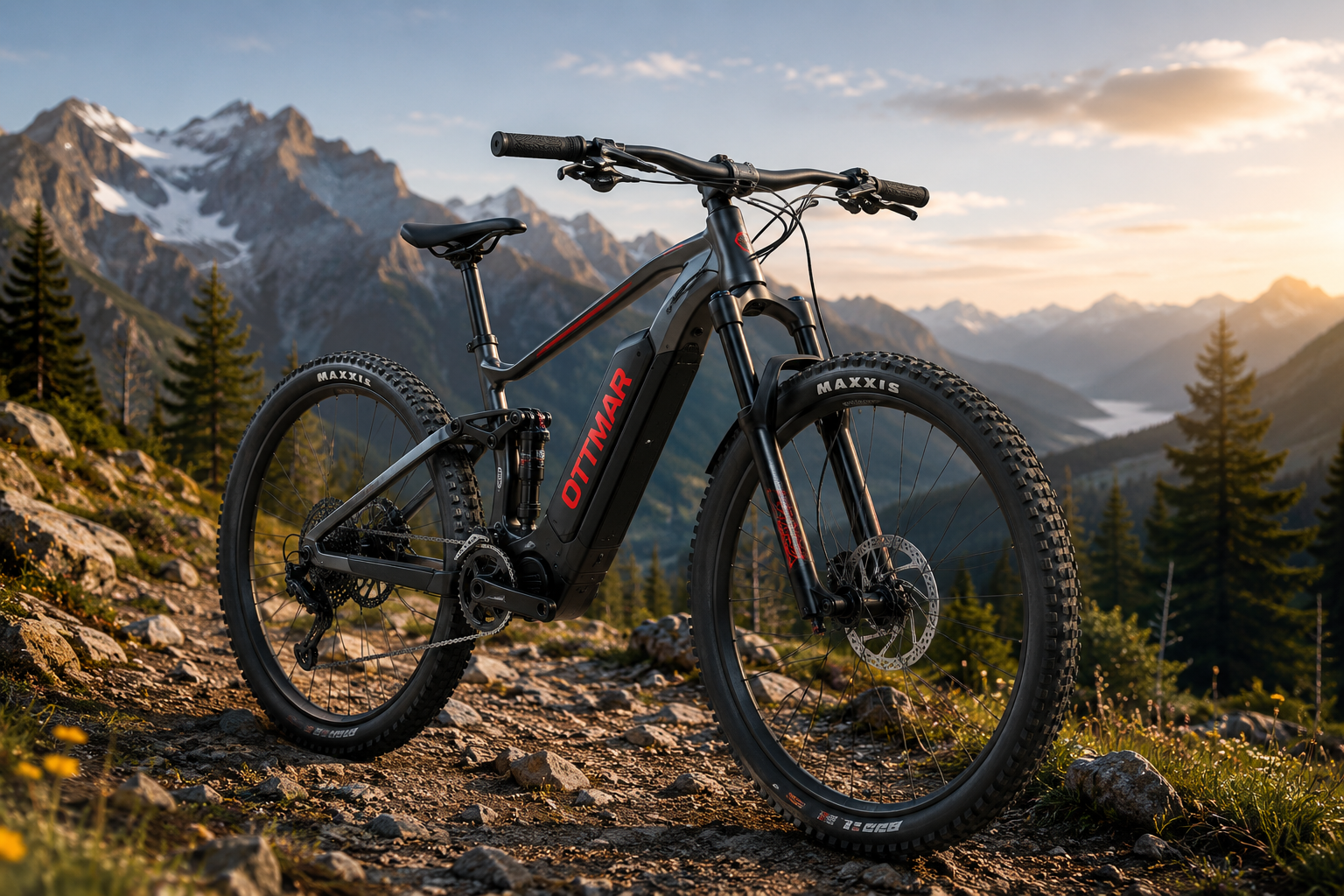
This shift is one of the main reasons demand for the full suspension electric bike category continues to grow. A well-designed full suspension electric bike absorbs impacts more effectively, allowing riders to maintain better control and confidence across challenging terrain.
According to the International Mountain Bicycling Association, trail accessibility and rider comfort remain key factors driving growth in electric mountain biking.
https://www.imba.com
What Makes a Full Suspension Electric Bike Different
The most obvious difference is the addition of rear suspension alongside the front suspension fork.
However, a professional full suspension electric bike is much more than simply adding another shock absorber. The entire frame geometry, suspension linkage design, and weight distribution must work together.
Core system differences include:
| Component | Hardtail E-Bike | Full Suspension Electric Bike |
|---|---|---|
| Front Suspension | Yes | Yes |
| Rear Suspension | No | Yes |
| Comfort Level | Moderate | High |
| Rough Terrain Capability | Good | Excellent |
| Rider Fatigue Reduction | Limited | Significant |
When engineered correctly, a full suspension electric bike allows the wheels to maintain better contact with the ground, improving traction and stability.
Why Suspension Design Is More Important Than Suspension Travel
Many buyers focus on suspension travel numbers alone.
In reality, suspension performance depends on how the entire system is designed.
A professional manufacturer evaluates:
Linkage Kinematics
Suspension linkage determines how the rear wheel reacts to impacts.
Shock Positioning
Shock placement influences efficiency, responsiveness, and durability.
Weight Distribution
Battery and motor placement affect suspension behavior.
Terrain Adaptability
Different trail conditions require different suspension characteristics.
An advanced full suspension electric bike should remain efficient during climbs while providing sufficient control on technical descents.
Different Riders Need Different Suspension Setups
One common mistake among buyers is assuming that every rider requires the same suspension configuration.
A quality full suspension electric bike should be designed according to its intended application.
| Riding Application | Recommended Focus |
|---|---|
| Forest Trails | Comfort and traction |
| Mountain Routes | Climbing efficiency |
| Adventure Touring | Long-distance comfort |
| Technical Downhill Riding | Stability and shock absorption |
| Rental Operations | Durability and easy maintenance |
This is why OEM development often involves adjusting suspension specifications based on target markets and rider profiles.
Why OEM Brands Are Investing More in Full Suspension Models
Global distributors increasingly report higher demand for premium mountain e-bikes.
Consumers are becoming more knowledgeable and often compare suspension performance before making purchasing decisions.
A professional OEM partner can support:
- Custom suspension configurations
- Frame geometry optimization
- Battery integration design
- Branding and color customization
- Market-specific product positioning
For brands entering the premium trail market, partnering with an experienced manufacturer can significantly reduce development time and investment risk.
The growth of the full suspension electric bike segment is creating new opportunities for distributors seeking higher-value product categories.
Safety, Compliance, and Product Reliability
As product value increases, compliance becomes even more important.
International buyers commonly request:
| Certification | Purpose |
|---|---|
| CE | European market access |
| EN15194 | Electric bicycle compliance |
| UL 2849 | Electrical safety verification |
| UN38.3 | Battery transportation approval |
| MSDS | Battery safety documentation |
Organizations such as UL Solutions continue highlighting battery safety and electrical system testing as critical requirements for electric mobility products.
https://www.ul.com
A reliable supplier should integrate these requirements into product development rather than treating them as an afterthought.
Shipping Challenges for Full Suspension E-Bikes
Full suspension models typically contain additional frame components and suspension systems, making transportation more complex.
Export-focused manufacturers usually provide:
| Shipping Method | Benefit |
|---|---|
| Fully Assembled | Fast retail deployment |
| SKD Packaging | Reduced shipping volume |
| CKD Packaging | Local assembly flexibility |
In addition, battery documentation, packaging compliance, and export coordination are essential for ensuring smooth customs clearance.
For distributors managing international inventory, logistics planning can be just as important as product selection.
How OTMAR Supports Full Suspension Electric Bike Projects
OTMAR focuses on developing electric mobility products designed for real-world riding conditions and long-term market success.
Our engineering team supports OEM and distribution partners through:
- Full suspension e-bike development
- Custom branding solutions
- Quality-focused manufacturing
- Certification preparation
- Global export support
Learn more about our company:
https://www.otmarx.com/about-us
Explore our electric bike products:
https://www.otmarx.com/products/electric-bikes
Contact our team:
https://www.otmarx.com/en/contact-us
As demand for premium trail bikes continues to grow, OTMAR helps distributors and brands develop reliable full suspension electric bike solutions that combine performance, durability, and long-term rider satisfaction.