
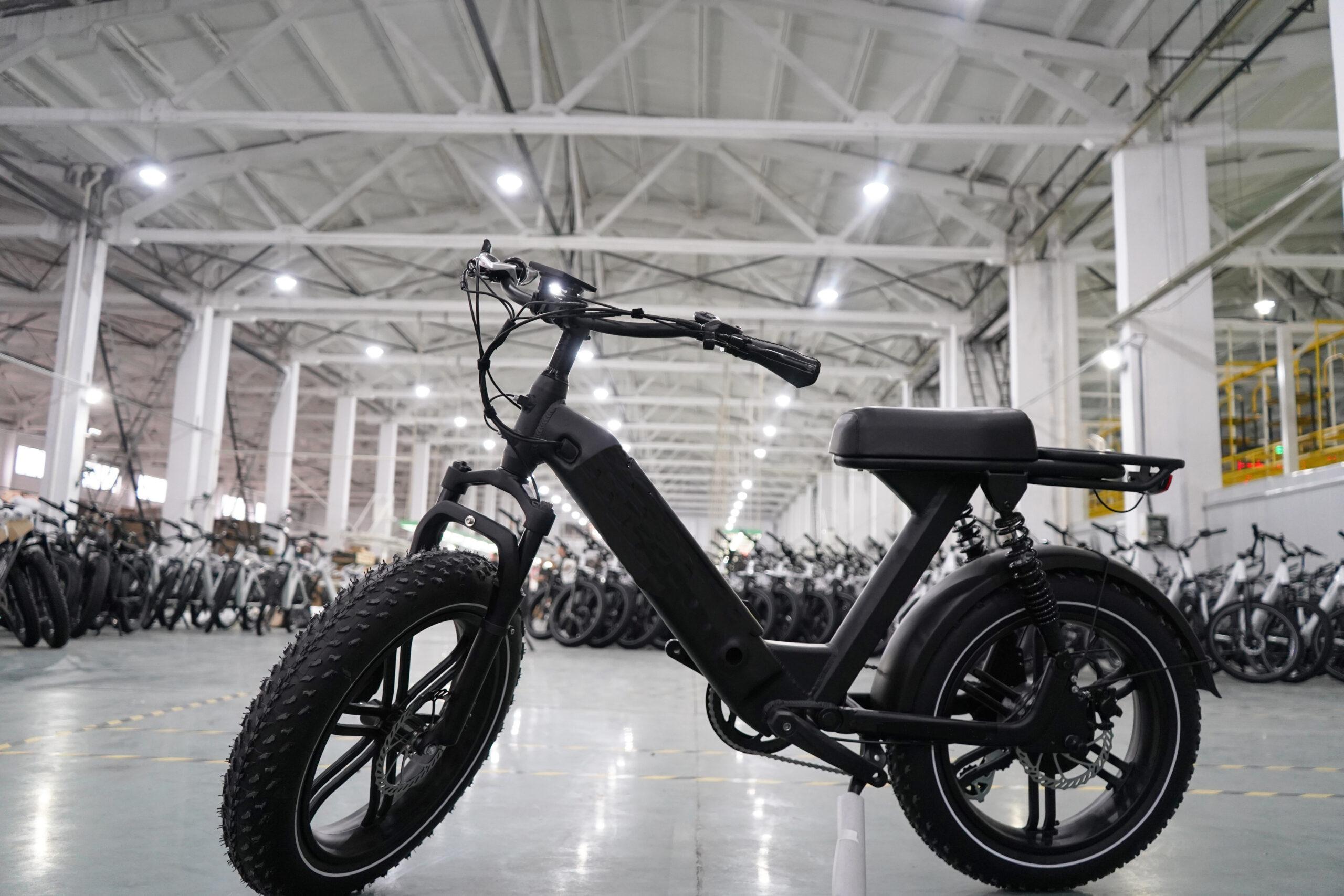
A Fat Tire Bike Is Built in the Factory—Not on the Trail
Most buyers judge fat tire bikes by how they look.
Wide tires. Strong frame. Rugged appearance.
That’s usually enough to start conversations with a fat tire electric bike factory.
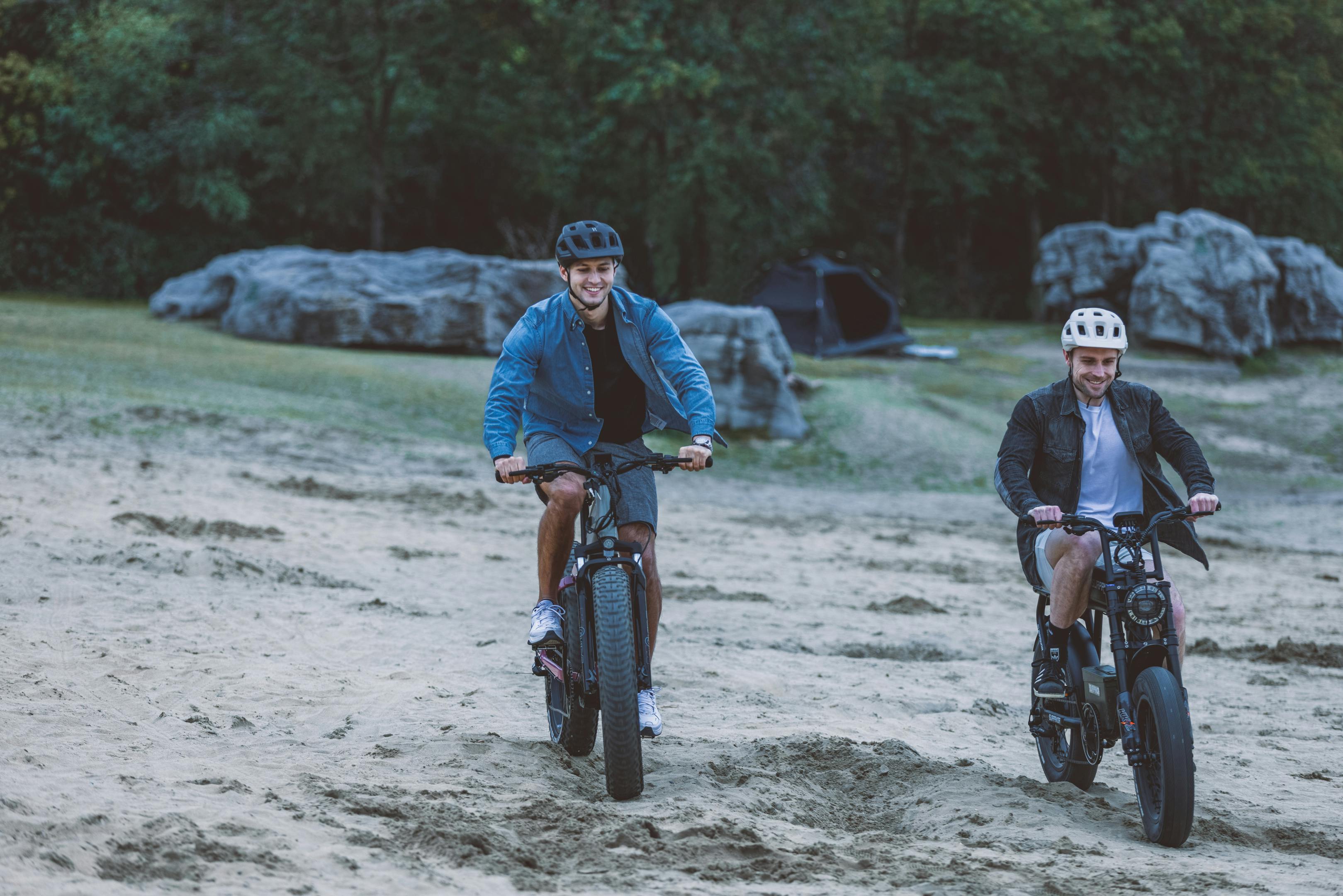
But once these bikes are used in real conditions—sand, gravel, snow—the focus changes.
The real question becomes:
👉 Can the bike maintain control, power, and durability across different terrains?
We’ve seen distributors receive visually impressive products that struggled under real use:
Power didn’t match resistance.
Handling felt unstable in mixed conditions.
Battery performance dropped faster than expected.
These are not design mistakes. They are production and system consistency issues.
At OTMAR, we treat factory production as the foundation of real-world performance—not just product appearance.
Wide Tires Require System-Level Manufacturing Control
Fat tires affect every part of the bike.
They increase resistance, change balance, and place more stress on components.
A professional fat tire electric bike factory must adjust the entire production system to match this.
| Component | Factory Requirement |
|---|---|
| Motor system | Higher torque calibration |
| Frame structure | Reinforced load-bearing design |
| Wheel assembly | Precision alignment for wide tires |
| Braking system | Increased stopping power |
According to the International Energy Agency, electric mobility systems must be adapted to real operating conditions to maintain efficiency.
https://www.iea.org/reports/global-ev-outlook
A capable fat tire electric bike factory builds the bike as a complete system—not just a collection of parts.
Production Consistency Matters More Than Specifications
In fat tire bikes, small variations in production can create noticeable differences.
For example:
- Slight differences in motor calibration affect torque delivery
- Wheel alignment variations impact stability
- Battery inconsistencies change real-world range
These differences may not appear in specifications—but they appear in user experience.
At OTMAR, we control these variables through:
- Standardized component sourcing
- Controlled assembly procedures
- Batch-level performance testing
The Light Electric Vehicle Association (LEVA-EU) highlights that consistent system integration is essential for reliable electric bike performance.
https://leva-eu.com
A reliable fat tire electric bike factory ensures that every unit performs the same—not just meets the same spec sheet.
Real Terrain Performance Starts with Production Testing
Fat tire bikes are expected to perform across multiple terrains.
But this performance must be validated during production—not assumed.
A professional factory tests for:
| Terrain Simulation | Purpose |
|---|---|
| High resistance load | Motor torque validation |
| Uneven surfaces | Structural durability |
| Repeated braking | System reliability |
| Long-distance riding | Battery stability |
Without this level of testing, products may perform well initially but fail under real conditions.
At OTMAR, production testing is aligned with actual usage scenarios, ensuring that bikes perform reliably beyond the factory floor.
Case: When Production Quality Changed Market Feedback
A distributor in Europe launched a fat tire e-bike line with strong visual appeal and competitive pricing.
Initial sales were positive.
However, after several months, feedback began to change:
- Some bikes felt less stable than others
- Power delivery varied between units
- Customer confidence decreased
The issue was not the design—it was production inconsistency.
After working with OTMAR, the distributor improved:
- Motor calibration consistency
- Frame alignment precision
- Assembly quality control
The result was a more uniform product experience across all units.
Customer satisfaction improved—not because the design changed, but because production became stable.
This is where a professional fat tire electric bike factory creates long-term value.
Certification Ensures Safe Performance Across Conditions
Fat tire bikes operate in demanding environments, making certification essential.
| Certification | Purpose |
|---|---|
| CE | European compliance |
| EN15194 | Electric bicycle standard |
| UL 2849 | Electrical safety |
| UN38.3 | Battery transport |
According to UL Solutions, consistent manufacturing processes are critical to maintaining safety standards across all units.
https://www.ul.com
A reliable fat tire electric bike factory integrates certification into production to ensure global compliance.
Logistics Must Match Product Size and Structure
Fat tire bikes are larger and heavier, requiring specialized packaging.
| Packaging Type | Benefit |
|---|---|
| Fully assembled | Faster deployment |
| SKD packaging | Reduced shipping volume |
| CKD packaging | Flexible local assembly |
Improper packaging can damage wheels or affect alignment.
At OTMAR, packaging is designed to protect wide tires and structural integrity during transport.
A professional fat tire electric bike factory treats logistics as part of product quality.
OTMAR: Manufacturing for Real Terrain Performance
Fat tire electric bikes are not defined by appearance—they are defined by performance in real environments.
OTMAR focuses on delivering:
- Consistent production quality
- Balanced system performance
- Reliable durability
You can explore our electric bike and electric trike solutions here:
https://www.otmarx.com/
If you are looking for a manufacturing partner that prioritizes real-world performance, our team is ready to support your project:
https://www.otmarx.com/en/contact-us
Because in all-terrain riding, performance is not built on design alone—it is built in the factory.