
Most Folding Bike Ideas Look Good—Until They’re Used Daily
When brands start planning a folding bike project, the focus is usually clear.
Make it compact.
Make it lightweight.
Make it easy to carry.
That’s how most conversations begin with a folding electric bike OEM partner.
But once those bikes enter real use, priorities shift quickly.
Users don’t just fold the bike occasionally.
They fold it every day.
Carry it upstairs.
Put it into car trunks.
Ride it through uneven city streets.
Repeat. Again and again.
We’ve seen projects where the initial prototype looked perfect—but after weeks of use, the feedback changed:
The hinge felt slightly loose.
The lock didn’t feel as tight.
The ride felt less stable.
These are not design failures. They are OEM development gaps.
At OTMAR, we treat folding bike OEM not as a design exercise—but as a process of building a product that survives repeated daily handling.
OEM Development Starts with the Folding Structure
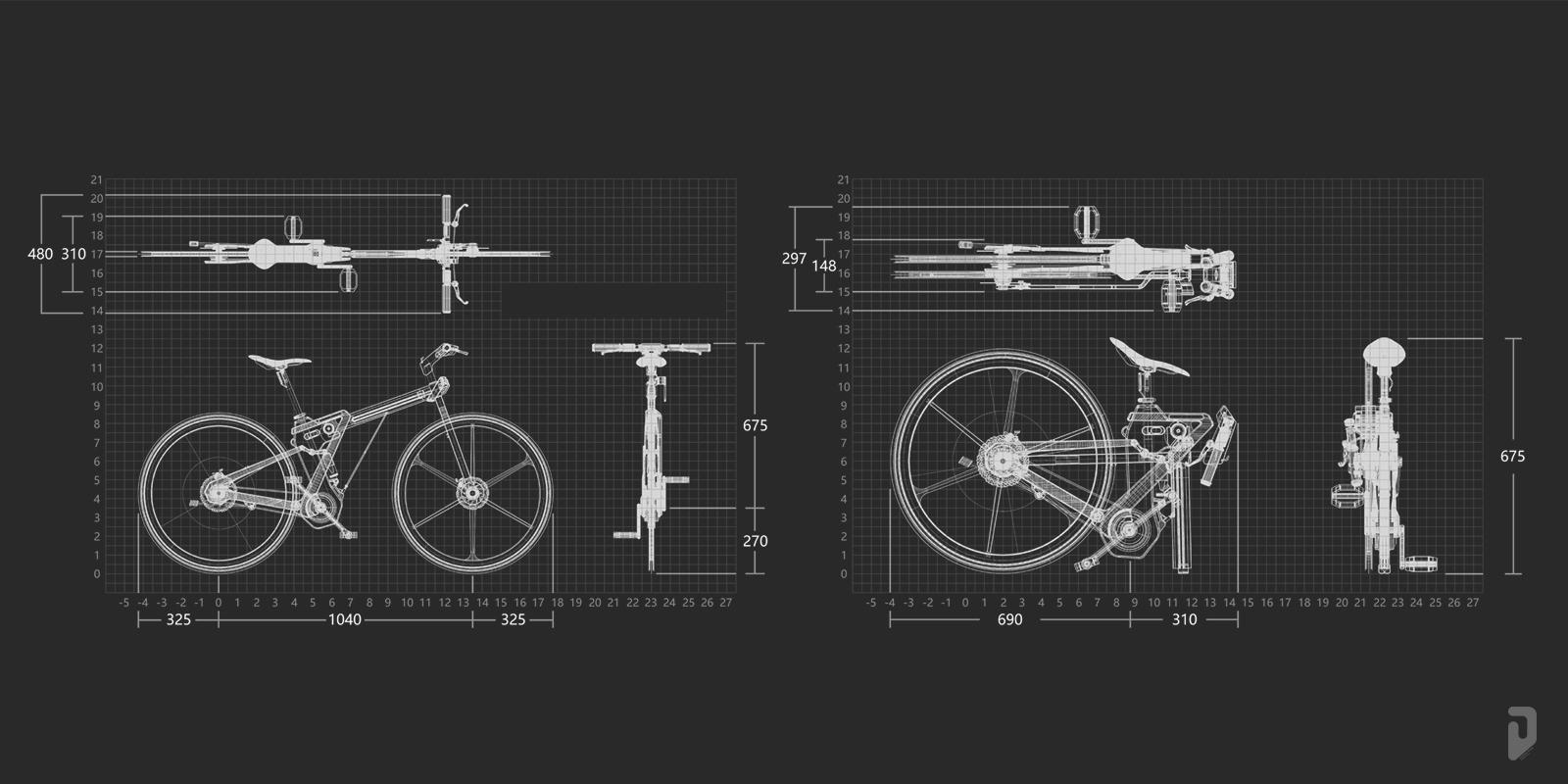
In folding electric bikes, everything starts with one core element: the folding system.
Unlike standard bikes, the frame is no longer fixed—it moves.
This introduces a new level of complexity that a professional folding electric bike OEM must address early in development.
Key design considerations include:
| Structural Area | OEM Focus |
|---|---|
| Hinge design | Fatigue resistance over repeated cycles |
| Locking system | Stable and secure engagement |
| Joint precision | Consistent alignment after folding |
| Frame rigidity | Stability during riding |
Organizations such as the European Cyclists’ Federation highlight that structural stability is essential for rider safety in urban environments.
https://ecf.com
A capable folding electric bike OEM must ensure that the folding mechanism enhances usability without weakening the structure.
Why Many OEM Projects Fail at the “Real Use” Stage
Many folding bike OEM projects fail not during design—but during real-world usage.
This happens when development is based on assumptions rather than behavior.
Common mistakes include:
- Designing for minimum weight without considering stability
- Prioritizing compact size over structural strength
- Ignoring repeated folding cycles during testing
At OTMAR, we base OEM development on actual usage patterns:
- Daily folding and unfolding
- Frequent carrying and storage
- Riding in stop-and-go traffic
- Exposure to long-term wear
This approach ensures that the final product performs not just in testing—but in real life.
A professional folding electric bike OEM designs for behavior, not just specifications.
From Prototype to Production: Where Precision Becomes Critical
A folding bike prototype can perform perfectly. But the challenge is making every unit behave the same.
During OEM scaling, risks appear:
| Stage | Risk |
|---|---|
| Prototype validation | Overlooking long-term wear |
| Component sourcing | Variation in hinge precision |
| Assembly | Inconsistent torque or alignment |
For folding bikes, small variations create noticeable differences.
At OTMAR, we control this through:
- Standardized hinge components
- Tight tolerance requirements
- Controlled assembly procedures
The Light Electric Vehicle Association (LEVA-EU) emphasizes that system consistency is essential for reliable electric bike performance.
https://leva-eu.com
A reliable folding electric bike OEM ensures that the first unit and the hundredth unit behave the same.
Case: When Design Was Right, But Production Was Not
A brand in Europe developed a folding electric bike with a strong design concept.
The prototype was successful—compact, stylish, and easy to use.
However, once production scaled, problems appeared.
Some units felt slightly different. Hinges varied in tightness. Locking systems were not consistent.
The issue was not the design—it was the lack of production control.
After working with OTMAR, the project focused on:
- Standardizing hinge tolerances
- Improving assembly precision
- Adding batch-level testing
The result was a more consistent product across all units.
Customer feedback improved—not because the design changed, but because the execution became stable.
This is where a professional folding electric bike OEM creates real value.
Certification Must Be Built into the OEM Process
Folding bikes must meet the same safety and compliance standards as other electric bikes.
| Certification | Purpose |
|---|---|
| CE | European market compliance |
| EN15194 | Electric bicycle standard |
| UL 2849 | Electrical system safety |
| UN38.3 | Battery transport compliance |
According to UL Solutions, integrating safety validation into development improves product reliability and compliance.
https://www.ul.com
At OTMAR, certification is considered from the early stages of OEM development, reducing delays and risks during market entry.
Logistics Must Protect Moving Structures
Folding bikes offer advantages in shipping—but also require careful handling.
Improper packaging can affect:
- Hinge alignment
- Locking system integrity
- Frame precision
A professional folding electric bike OEM must design packaging around the product structure.
| Packaging Type | Benefit |
|---|---|
| Folded assembled | Compact and ready-to-use |
| SKD packaging | Reduced shipping cost |
| CKD packaging | Flexible local assembly |
At OTMAR, packaging is designed to protect critical components, ensuring product integrity during transport.
OTMAR: OEM That Focuses on Long-Term Use
Folding electric bikes are not judged by their first impression—but by how they perform after repeated use.
OTMAR supports OEM projects by focusing on:
- Structural durability
- Precision manufacturing
- Consistent product performance
You can explore our electric bike and electric trike solutions here:
https://www.otmarx.com/
If you are planning a folding electric bike OEM project, our team is ready to support your development:
https://www.otmarx.com/en/contact-us
Because in folding bikes, success is not about how small they fold—but how well they last.