
Lightweight electric bikes are becoming a practical product category for global e-bike dealers, distributors, and private label brands. Many riders want electric assistance, but they do not want a heavy bike that feels difficult to move, store, carry, or control.
For city commuters, a lighter e-bike is easier to handle in apartments, elevators, public transport areas, garages, and office buildings. For dealers, lightweight models are easier to demonstrate and test ride. For brands, they can be positioned as clean, modern, efficient, and user-friendly products.
That is why choosing the right lightweight electric bike manufacturer matters. A truly lightweight e-bike is not simply a smaller bike. It needs a balanced design that combines frame structure, battery placement, motor efficiency, safety, comfort, and durability.
For B2B buyers, the goal is not only to reduce weight. The goal is to create an electric bike that is light enough to handle, strong enough for daily use, and reliable enough for repeat sales.
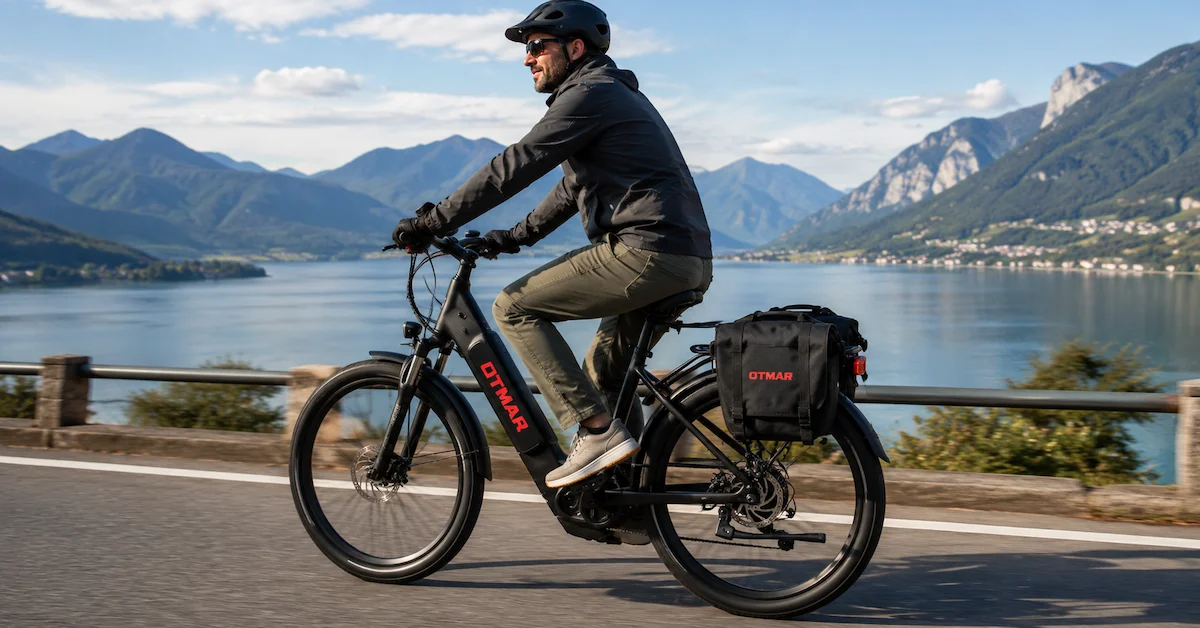
What Makes a Lightweight Electric Bike Different?
A lightweight electric bike is designed to reduce unnecessary weight while keeping essential riding performance. It usually focuses on urban commuting, leisure riding, short-to-medium distance travel, and easy storage.
Compared with heavy fat tire or cargo e-bikes, lightweight e-bikes often prioritize:
- Easier handling
- Cleaner frame design
- Lower carrying weight
- Efficient motor assistance
- Compact battery structure
- Comfortable city riding
- Simple maintenance
- Better portability
- Faster retail explanation
For distributors, lightweight e-bikes can serve a wide customer base, including commuters, students, urban riders, apartment users, female riders, senior riders, and customers who are new to electric bicycles.
Who Needs Lightweight Electric Bikes?
E-Bike Dealers
Dealers need products that are easy to display, explain, and test ride. Lightweight e-bikes are attractive because customers can quickly feel the difference during a short showroom test.
Distributors and Importers
Distributors often need models that fit multiple retail channels. A lightweight electric bike can work well for city commuting, lifestyle retail, online sales, and entry-to-mid-level e-bike programs.
Private Label Brands
Brands can use lightweight e-bikes to build a clean and modern product identity. OEM options such as logo, frame color, battery style, display, packaging, and accessories help create market differentiation.
Rental Operators
Some rental programs need e-bikes that are easy for many riders to control. Lightweight models can reduce user hesitation and improve daily operation efficiency.
Urban Mobility Businesses
Companies focused on city mobility, campus transport, hotel mobility, or short-distance travel may prefer lightweight e-bikes because they are practical and easy to manage.
Key Factors Buyers Should Compare
1. Frame Material and Structure
The frame is the foundation of a lightweight e-bike. Buyers should not only ask for the total weight. They should also understand how the frame is designed and whether it remains stable under daily riding conditions.
Important frame questions include:
- What frame material is used?
- Is the frame strong enough for daily riding?
- Does the geometry support comfortable commuting?
- Is the battery integrated into the frame?
- Is cable routing clean and protected?
- Can the frame color be customized?
- Is the frame suitable for the target rider group?
A reliable lightweight electric bike manufacturer should help buyers balance weight reduction and structural strength.
2. Battery Design
Battery size affects both range and weight. A lightweight e-bike should not use an oversized battery that makes the bike difficult to handle. The best choice depends on the buyer’s market positioning.
Buyers should check:
- Battery capacity
- Battery cell quality
- Hidden or removable battery design
- Charging safety
- Replacement battery support
- Realistic range
- Battery weight and placement
For city commuting models, a balanced battery design may be more valuable than simply choosing the largest capacity.
3. Motor Efficiency
A lightweight e-bike does not always need a very high-power motor. It needs smooth, efficient assistance that supports daily riding without unnecessary energy consumption.
Compare:
- Motor power
- Torque output
- Controller matching
- Noise level
- Assist smoothness
- Climbing ability
- Energy efficiency
A smooth motor improves the rider’s confidence, especially for customers who are new to electric bikes.
4. Riding Comfort
Lightweight does not mean uncomfortable. A good e-bike should feel stable and natural during daily riding.
Comfort factors include:
- Upright riding posture
- Suitable saddle
- Handlebar height
- Tire width
- Frame geometry
- Brake response
- Display visibility
- Pedal assist smoothness
For dealers, riding comfort directly affects conversion during test rides.
5. Safety and Braking
Even lightweight e-bikes need strong safety systems. Buyers should compare braking, lighting, tire grip, controller stability, and assembly quality.
Important safety features include:
- Front and rear brakes
- LED headlight
- Reflectors
- Stable wiring
- Strong kickstand
- Accurate display
- Reliable battery mounting
- Quality tire installation
A professional manufacturer should treat safety as part of the full product system, not as optional decoration.
Lightweight Electric Bike Sourcing Table
| Evaluation Point | What Buyers Should Check | Why It Matters |
|---|---|---|
| Frame | Material, geometry, strength, cable routing | Affects weight, comfort, and durability |
| Battery | Capacity, weight, cell quality, mounting | Affects range and handling |
| Motor | Efficiency, smoothness, torque, controller match | Affects riding feel and battery use |
| Tires | Width, grip, rolling resistance | Affects comfort and efficiency |
| Brakes | Brake type, response, maintenance | Affects safety and dealer trust |
| Display | Battery level, speed, assist mode | Improves user experience |
| Accessories | Lights, fenders, rack, kickstand | Improves daily practicality |
| OEM/ODM | Logo, color, packaging, configuration | Supports brand differentiation |
| QC | Frame, battery, motor, brakes, packaging | Reduces after-sales risk |
| Supplier Support | Samples, bulk orders, spare parts, export communication | Supports long-term cooperation |
Lightweight E-Bike vs Standard E-Bike vs Cargo E-Bike
| Product Type | Main Advantage | Best For |
| Lightweight E-Bike | Easy handling and urban practicality | Commuters, dealers, city riders, online retail |
| Standard E-Bike | Balanced cost and performance | General retail and entry-level markets |
| Long Range E-Bike | Larger battery and longer riding distance | Touring, leisure, rental, premium channels |
| Cargo E-Bike | Load carrying and utility | Delivery, family transport, commercial use |
| Fat Tire E-Bike | Strong grip and outdoor visual appeal | Mixed roads, adventure, lifestyle buyers |
A lightweight e-bike is best for markets where customers care about easy riding, simple storage, and daily convenience.
OEM/ODM Options for Lightweight Electric Bikes
A strong lightweight electric bike manufacturer should support OEM/ODM customization for different markets.
Common customization options include:
- Brand logo
- Frame color
- Battery capacity
- Motor power
- Tire type
- Display system
- Saddle style
- Handlebar design
- Fenders
- Lights
- Rear rack
- Packaging design
- User manual
- Carton labels
For new brands, practical customization is usually enough at the first stage. Start with logo, color, packaging, and core configuration. After collecting market feedback, deeper product adjustments can be made.
OTMAR supports electric bike solutions for global buyers. Buyers can explore available product categories through OTMAR Electric Bikes.
Quality Control Points Before Bulk Orders
Before placing a wholesale or OEM order, buyers should confirm how the manufacturer controls quality.
Frame Inspection
Check frame alignment, coating finish, welding quality, cable routing, and assembly consistency.
Battery Testing
Confirm charging function, battery mounting, output stability, connection safety, and packaging protection.
Motor and Controller Testing
The motor should provide smooth assistance without abnormal noise or unstable response.
Brake Testing
Brakes should be checked for alignment, stopping response, lever feel, and safe operation.
Final Function Test
A full-bike test helps confirm display, assist mode, lights, brakes, tires, and overall riding function.
Packaging Inspection
Export packaging should protect the frame, battery, display, wheels, saddle, and accessories during transportation.
Common Buyer Mistakes to Avoid
Choosing Only by Low Weight
A bike that is too light but structurally weak can create safety and durability problems. Weight reduction must be balanced with strength.
Ignoring Battery Placement
Poor battery placement can affect balance and riding comfort. A good lightweight e-bike should feel stable during acceleration, braking, and turning.
Selecting the Wrong Motor
A motor that is too weak may disappoint customers. A motor that is too powerful may increase weight, cost, and energy use. The motor should match the riding purpose.
Skipping Sample Testing
Photos cannot show riding feel. Sample testing helps buyers evaluate weight, handling, braking, battery fit, and comfort.
Not Confirming OEM Details
Logo, color, packaging, manual, carton labels, and configuration should be confirmed before production.
Why Work with OTMAR?
OTMAR provides electric bike and electric trike solutions for global buyers, with OEM/ODM support for dealers, distributors, brands, wholesalers, and mobility businesses.
For lightweight electric bike projects, OTMAR can help buyers discuss product positioning, frame design, battery configuration, motor options, accessories, quality inspection, branding, packaging, and bulk order details.
Buyers can learn more about the company through About OTMAR, browse electric bike models through OTMAR Electric Bikes, or contact the team for OEM/ODM and wholesale support through Contact OTMAR.
High-Conversion Inquiry Checklist
Before contacting a lightweight electric bike manufacturer, prepare:
- Target market
- Buyer type
- Expected order quantity
- Target bike weight
- Battery capacity preference
- Motor power requirement
- Frame style
- Color and logo needs
- Tire type
- Brake preference
- Packaging requirements
- Certification or document needs
- Target price level
- Delivery timeline
Clear requirements help the manufacturer recommend a more accurate solution and quotation.
FAQ
1. What is a lightweight electric bike manufacturer?
A lightweight electric bike manufacturer produces e-bikes designed for easier handling, lower weight, urban riding, and practical daily use. For B2B buyers, the manufacturer should also support OEM/ODM customization, quality control, sample testing, and bulk order communication.
2. What should dealers check before buying lightweight e-bikes?
Dealers should check frame strength, total weight, battery quality, motor efficiency, riding comfort, brakes, tires, display, packaging, spare parts support, and after-sales communication.
3. Is the lightest e-bike always the best choice?
No. The best lightweight e-bike should balance weight, safety, comfort, range, and durability. A bike that is too light but weak may create long-term quality problems.
4. Can lightweight electric bikes be customized?
Yes. OEM/ODM customization can include logo, frame color, battery capacity, motor power, tire type, display, saddle, lights, packaging, user manual, and carton labels.
5. Are lightweight e-bikes suitable for city commuting?
Yes. Lightweight e-bikes are suitable for city commuting because they are easier to control, park, store, and move in urban environments.
6. How can I request a quote from OTMAR?
You can share your target market, order quantity, preferred frame style, battery requirement, motor power, logo needs, packaging requirements, and delivery plan through the Contact OTMAR page.
Conclusion
Choosing a lightweight electric bike manufacturer requires more than comparing total weight. Buyers should evaluate frame design, battery placement, motor efficiency, comfort, safety, OEM/ODM options, quality control, and export support.
For dealers, distributors, private label brands, and mobility businesses, the right manufacturer can help build a lightweight e-bike product line that is practical, easy to sell, and reliable for daily riders.
To start your lightweight electric bike project, explore OTMAR Electric Bikes or contact OTMAR for OEM/ODM and bulk order support.