
A growing number of cyclists are discovering that traditional bicycles have limitations when routes become longer, hills become steeper, and luggage becomes heavier.
For touring riders, the challenge is rarely speed. Instead, it is about maintaining comfort and efficiency over several hours—or even several days—of riding.
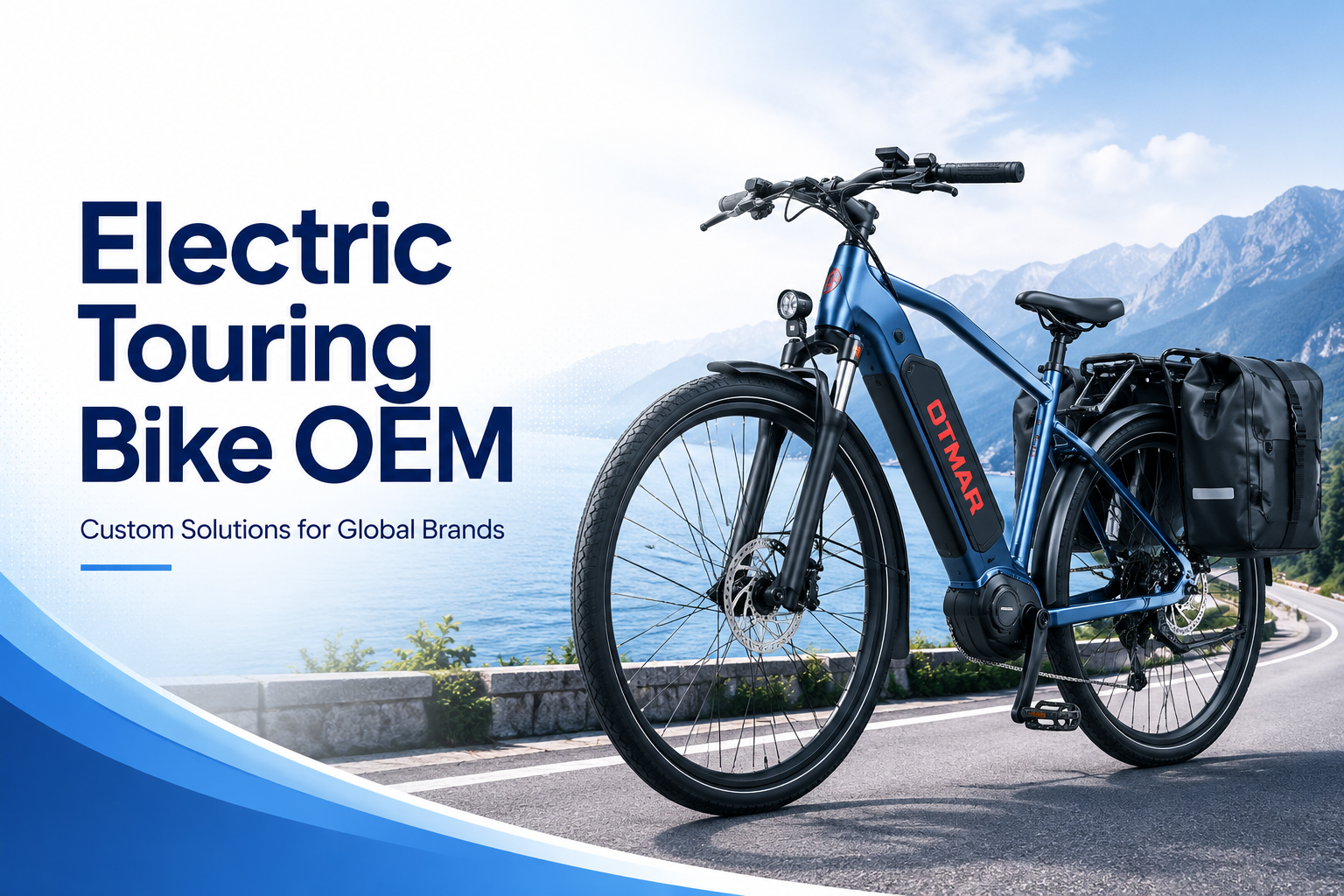
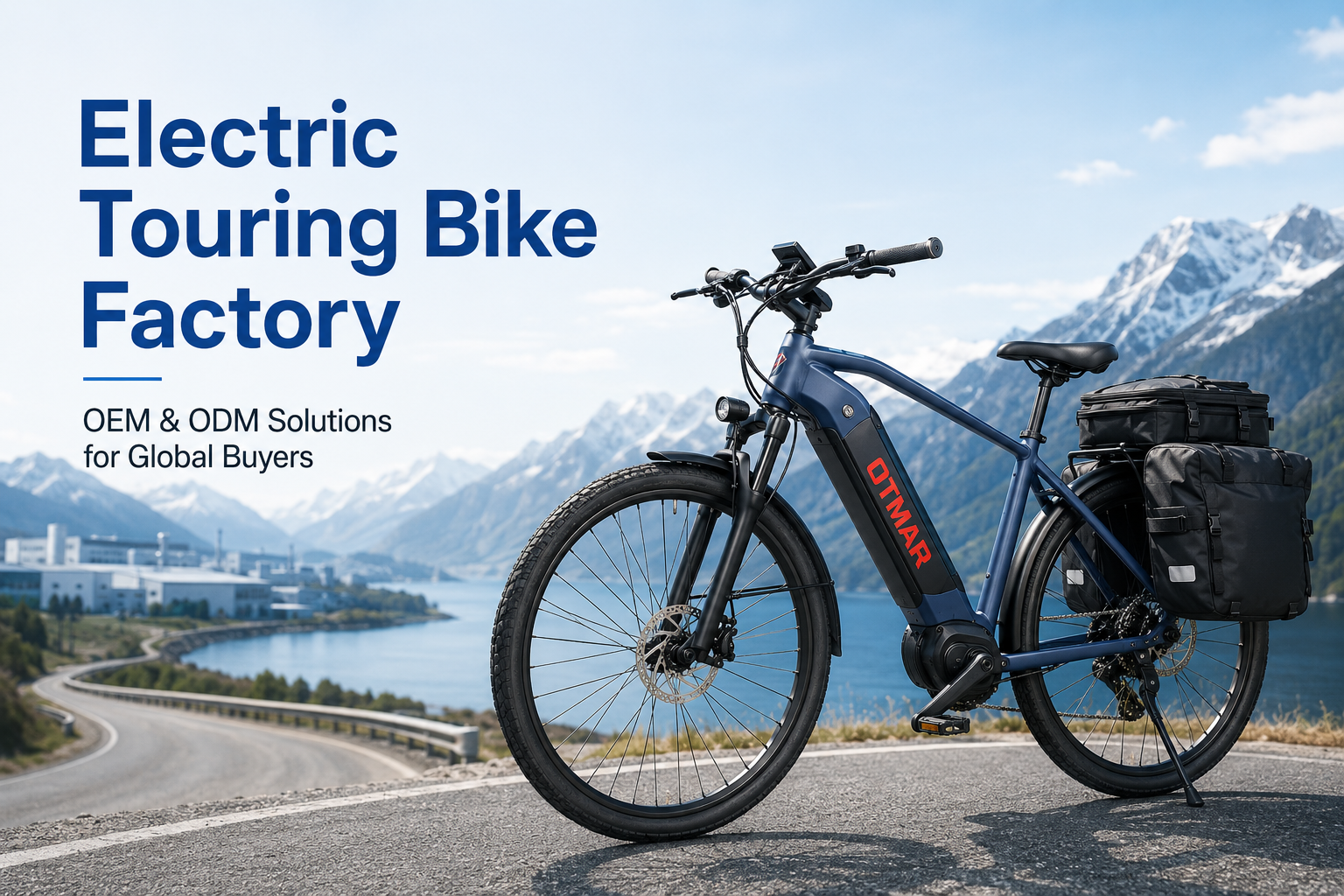
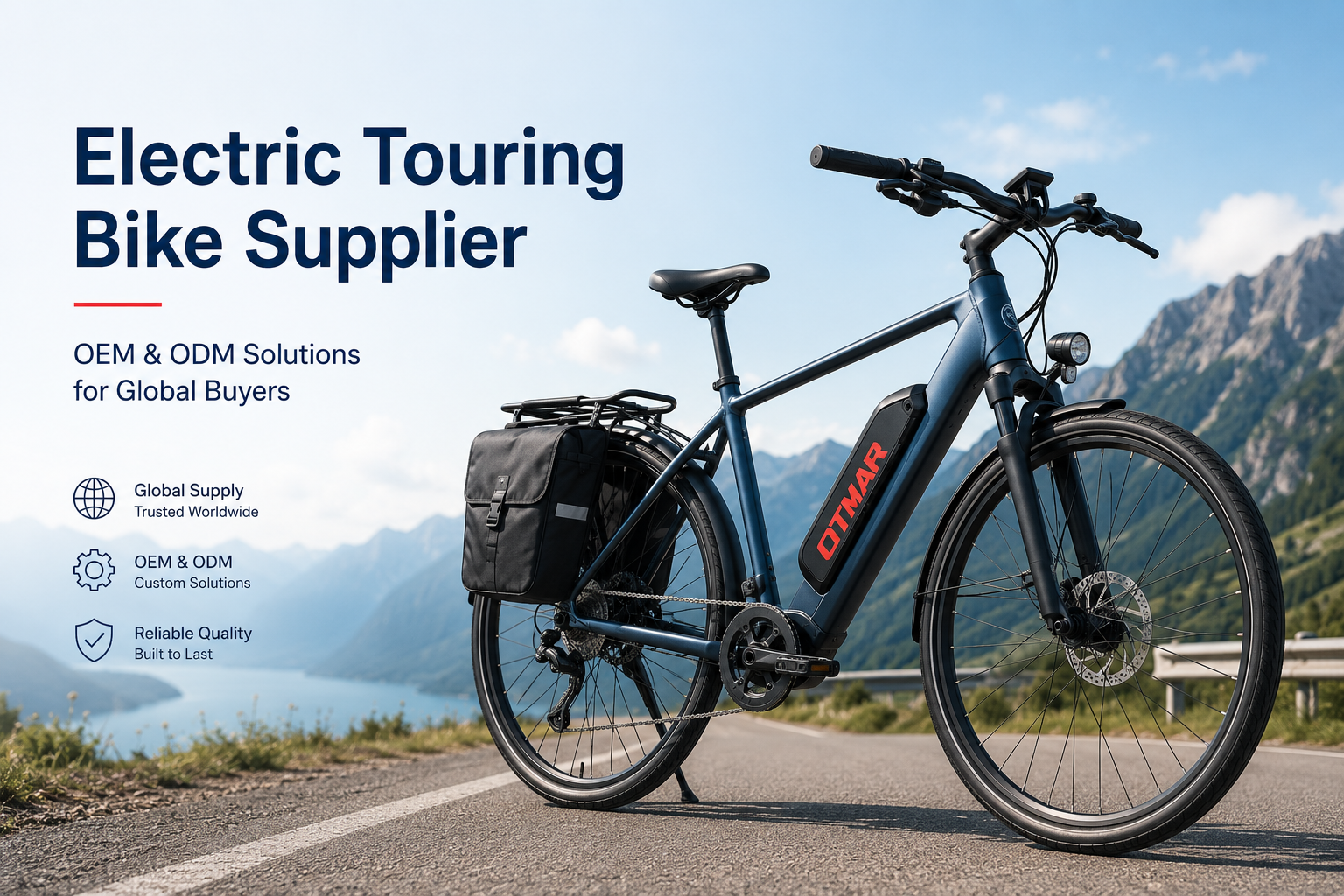
This is why demand for products from an experienced electric touring bike manufacturer continues to grow worldwide. Electric touring bikes allow riders to travel farther while carrying equipment, camping gear, photography equipment, or commuting essentials without excessive physical strain.
Unlike urban commuter bikes, touring e-bikes are designed specifically for endurance. Riders expect stable handling, comfortable geometry, extended battery range, and dependable performance over thousands of kilometers.
According to the European Cyclists’ Federation, cycling tourism continues to contribute significantly to local economies across Europe, increasing demand for reliable touring bicycles and e-bikes.
https://ecf.com
What Separates a Touring E-Bike from Other Electric Bikes
At first glance, many electric bikes appear similar.
However, a professional electric touring bike manufacturer develops products around very different priorities than city bikes or mountain bikes.
Touring models are designed for:
| Design Focus | Purpose |
|---|---|
| Extended range | Longer travel distances |
| Comfortable geometry | Reduced rider fatigue |
| Cargo carrying capability | Support luggage and equipment |
| Stable handling | Better performance when loaded |
| Reliable components | Lower maintenance during travel |
A touring rider may spend six to eight hours per day on the bicycle. Small design improvements therefore create significant differences in long-term comfort.
Why Frame Geometry Becomes Critical on Multi-Day Rides
Many first-time buyers focus on motor power and battery capacity.
Experienced touring cyclists often evaluate frame geometry first.
An experienced electric touring bike manufacturer understands that rider comfort is directly influenced by frame design.
Important geometry considerations include:
Upright Riding Position
Reduces neck, shoulder, and lower back strain.
Longer Wheelbase
Improves stability when carrying luggage.
Balanced Weight Distribution
Enhances handling during long-distance travel.
Step-Through Options
Improves accessibility for a broader range of riders.
Even small adjustments can dramatically improve rider comfort during multi-day journeys.
Battery Range Means More Than a Bigger Battery
One of the biggest misconceptions in the market is that battery size alone determines touring performance.
A professional electric touring bike manufacturer evaluates range as a complete system.
Factors affecting range include:
| Variable | Impact on Range |
|---|---|
| Motor efficiency | Energy consumption |
| Riding terrain | Power demand |
| Rider weight | Battery usage |
| Cargo load | Overall efficiency |
| Tire selection | Rolling resistance |
For long-distance touring applications, manufacturers often prioritize energy efficiency alongside battery capacity.
This allows riders to achieve more practical real-world range rather than simply larger battery specifications.
According to the International Energy Agency, e-bike adoption continues increasing because of their efficiency and versatility across different transportation applications.
https://www.iea.org/reports/global-ev-outlook
Cargo Carrying Capability Is a Major Touring Requirement
Touring cyclists often carry:
- camping equipment
- clothing
- repair tools
- food supplies
- camera equipment
- personal luggage
As a result, an experienced electric touring bike manufacturer must engineer products capable of handling additional weight without compromising stability.
Important design features may include:
| Feature | Benefit |
|---|---|
| Reinforced rear racks | Higher load capacity |
| Stronger frame construction | Improved durability |
| Integrated mounting points | Easier accessory installation |
| Wider tires | Better stability when loaded |
For many touring riders, cargo capability is just as important as motor performance.
Why OEM Touring Bike Development Is Growing
Many distributors and emerging brands are entering the touring e-bike market because demand continues expanding among recreational riders, adventure travelers, and cycling tourism operators.
A professional electric touring bike manufacturer can support OEM projects through:
- frame customization
- battery configuration options
- logo integration
- packaging customization
- component selection
- market-specific product development
Different regions often require different product configurations.
| Market | Common Preference |
|---|---|
| Europe | Comfort and efficiency |
| North America | Long range and cargo capacity |
| Australia | Mixed-terrain capability |
| Tourism operators | Durability and low maintenance |
OEM flexibility allows brands to better align products with local market demands.
Certifications and Reliability Remain Essential for Global Distribution
Regardless of riding style, safety and compliance remain critical.
A responsible electric touring bike manufacturer typically supports:
| Certification | Purpose |
|---|---|
| CE | European compliance |
| EN15194 | E-bike regulations |
| UL 2849 | Electrical safety |
| UN38.3 | Battery transportation |
| MSDS | Battery documentation |
Organizations such as UL Solutions continue emphasizing battery testing and electrical system safety for electric mobility products.
https://www.ul.com
Compliance preparation helps distributors reduce import risks and improve market access.
A Real Example of Touring E-Bike Demand
A European cycling tour operator initially relied on traditional touring bicycles for guided travel routes.
As customer age groups expanded and route distances increased, rider fatigue became a common complaint.
The company partnered with an electric touring bike manufacturer to develop a fleet focused on comfort, extended range, and cargo capability.
Within the first operating season, rider satisfaction improved significantly, and route flexibility increased because participants could comfortably complete longer daily distances.
This example highlights how electric touring bikes are changing expectations in the cycling tourism industry.
Working with OTMAR for Electric Touring Bike Projects
OTMAR focuses on developing electric mobility products designed for practical riding conditions and long-term reliability.
As an experienced electric touring bike manufacturer, we support distributors, private-label brands, and project operators through product development, OEM customization, quality-focused manufacturing, and export support.
Learn more about our company:
https://www.otmarx.com/about-us
Explore our electric bike product lineup:
https://www.otmarx.com/products/electric-bikes
Contact our team:
https://www.otmarx.com/en/contact-us
By combining engineering expertise, manufacturing consistency, and global export experience, OTMAR helps partners build electric touring bike solutions that deliver comfort, durability, and long-distance performance.