
Small Size Is Easy—Making It Usable Is Not
At first glance, designing a compact folding e bike seems simple.
Make it smaller.
Make it lighter.
Make it easier to carry.
That’s what most buyers expect.
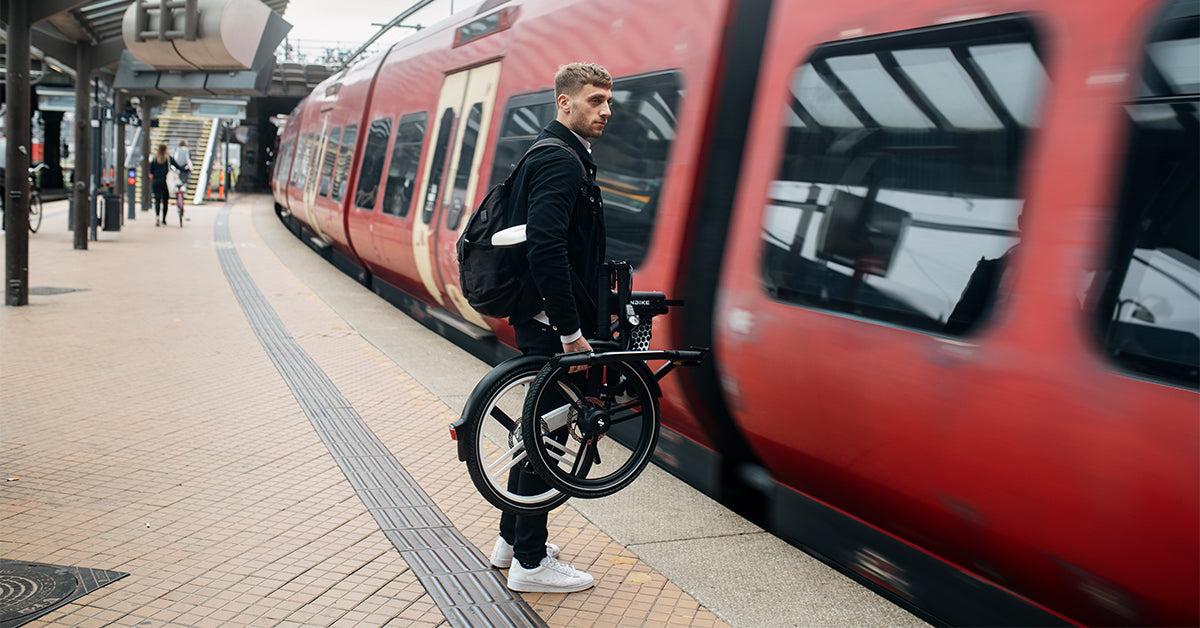
But in real life, compact bikes are not just stored—they are used.
They are ridden through traffic, carried into buildings, folded in tight spaces, and unfolded again within seconds. Over time, these repeated actions expose something many designs overlook:
Small size does not guarantee usability.
We’ve seen compact folding bikes that looked perfect on display—but after weeks of daily use, riders noticed instability, awkward handling, or structural looseness.
At OTMAR, we approach compact folding e bikes as high-frequency urban tools, not just portable objects.
Compact Design Changes the Entire Riding Experience
Reducing size affects more than just portability—it changes how the bike behaves.
A smaller frame means:
- Shorter wheelbase
- Lower weight distribution
- Different balance dynamics
These changes directly impact stability and control.
| Design Change | Impact on Riding |
|---|---|
| Smaller wheels | Reduced shock absorption |
| Compact frame | Increased sensitivity to movement |
| Lower weight | Less inertia, more responsive handling |
| Foldable joints | Potential structural flex |
Organizations such as the European Cyclists’ Federation highlight that stability and rider confidence are critical factors in urban cycling adoption.
https://ecf.com
A well-designed compact folding e bike must compensate for size reduction with smart structural engineering.
The Real Challenge: Balancing Portability and Stability
Every compact folding bike faces the same trade-off:
👉 Portability vs Stability
Too light, and the bike feels unstable.
Too strong, and it becomes harder to carry.
Many designs fail because they optimize only one side.
At OTMAR, we balance this through:
- Optimized frame geometry for better control
- Reinforced folding joints without excessive weight
- Adjusted riding posture for stability
The goal is not to make the smallest bike—but to make the most usable small bike.
Daily Folding Creates Stress Most Designs Ignore
Compact folding e bikes are handled constantly.
Each day includes:
- Multiple folding cycles
- Carrying through stairs or elevators
- Storage in tight spaces
- Repeated unfolding under time pressure
These actions create stress that standard bikes never experience.
| Action | Stress Point |
|---|---|
| Folding | Hinge fatigue |
| Carrying | Frame joint load |
| Storage | Alignment pressure |
| Repeated use | Wear on locking systems |
At OTMAR, we design compact bikes to withstand these patterns, not just occasional use.
A reliable compact folding e bike must survive hundreds of folding cycles—not just the first few.
Case: When “Smaller” Meant “Less Stable”
A distributor in Southeast Asia launched a compact folding e bike focused heavily on ultra-lightweight design.
The product was extremely portable and visually appealing.
However, after several months, feedback began to change:
- Riders felt instability at moderate speeds
- Frame rigidity decreased after repeated folding
- Confidence in the product dropped
The issue was not quality—it was imbalance.
After working with OTMAR, the distributor shifted to a slightly more reinforced design. While the weight increased slightly, stability improved significantly.
Customers preferred a bike that felt secure—even if it was not the lightest option.
This demonstrates a key principle:
A good compact folding e bike is not the smallest one—it’s the one people trust to use every day.
Certification Still Applies to Compact Designs
Even compact bikes must meet full safety standards.
| Certification | Purpose |
|---|---|
| CE | European market access |
| EN15194 | Electric bicycle compliance |
| UL 2849 | Electrical safety |
| UN38.3 | Battery transport |
According to UL Solutions, safety validation is essential for all electric mobility products, regardless of size.
https://www.ul.com
A reliable compact folding e bike design integrates compliance from the beginning.
Logistics Advantage—If Structured Correctly
Compact folding bikes offer strong logistics advantages:
- Reduced shipping volume
- Lower transportation costs
- Easier storage
| Packaging Type | Benefit |
|---|---|
| Folded assembled | Ready-to-use, compact |
| SKD packaging | Cost-efficient shipping |
| CKD packaging | Maximum flexibility |
However, improper packaging can damage hinges or misalign joints.
At OTMAR, packaging is designed specifically for folding structures to protect critical components.
OTMAR: Designing Compact Bikes That Work in Real Life
Compact folding e bikes are not defined by size—they are defined by usability.
OTMAR focuses on creating compact bikes that remain stable, durable, and consistent under real urban use.
You can explore our electric bike and electric trike solutions here:
https://www.otmarx.com/
If you are looking to develop or source compact folding e bikes, our team is ready to support your project:
https://www.otmarx.com/en/contact-us
Because a compact bike should not just fit your space—it should fit your daily life.