
Why Buyers Often Struggle to Identify a Reliable Electric Bike Manufacturer
Many importers and distributors searching for an electric bike manufacturer encounter similar challenges: unstable product quality, unclear certification compliance, and limited engineering transparency. When electric bikes are used in commercial operations such as delivery fleets or tourism rentals, these problems quickly translate into maintenance costs and customer dissatisfaction.
OTMAR addresses these concerns through structured engineering and quality control processes. Instead of focusing only on production volume, our team prioritizes durable frame construction, carefully selected battery systems, and scenario-based product design so that electric bikes perform reliably across different environments.
Industry data shows that electric bicycles are becoming one of the fastest-growing segments in urban transportation. According to the International Energy Agency, electric bikes are increasingly used as efficient alternatives to short-distance car travel in cities worldwide.
https://www.iea.org/reports/global-ev-outlook
Because of this growth, selecting a trustworthy electric bike manufacturer is becoming an essential step for distributors and commercial mobility operators.
Materials, Engineering, and Structural Design Behind Modern Electric Bikes
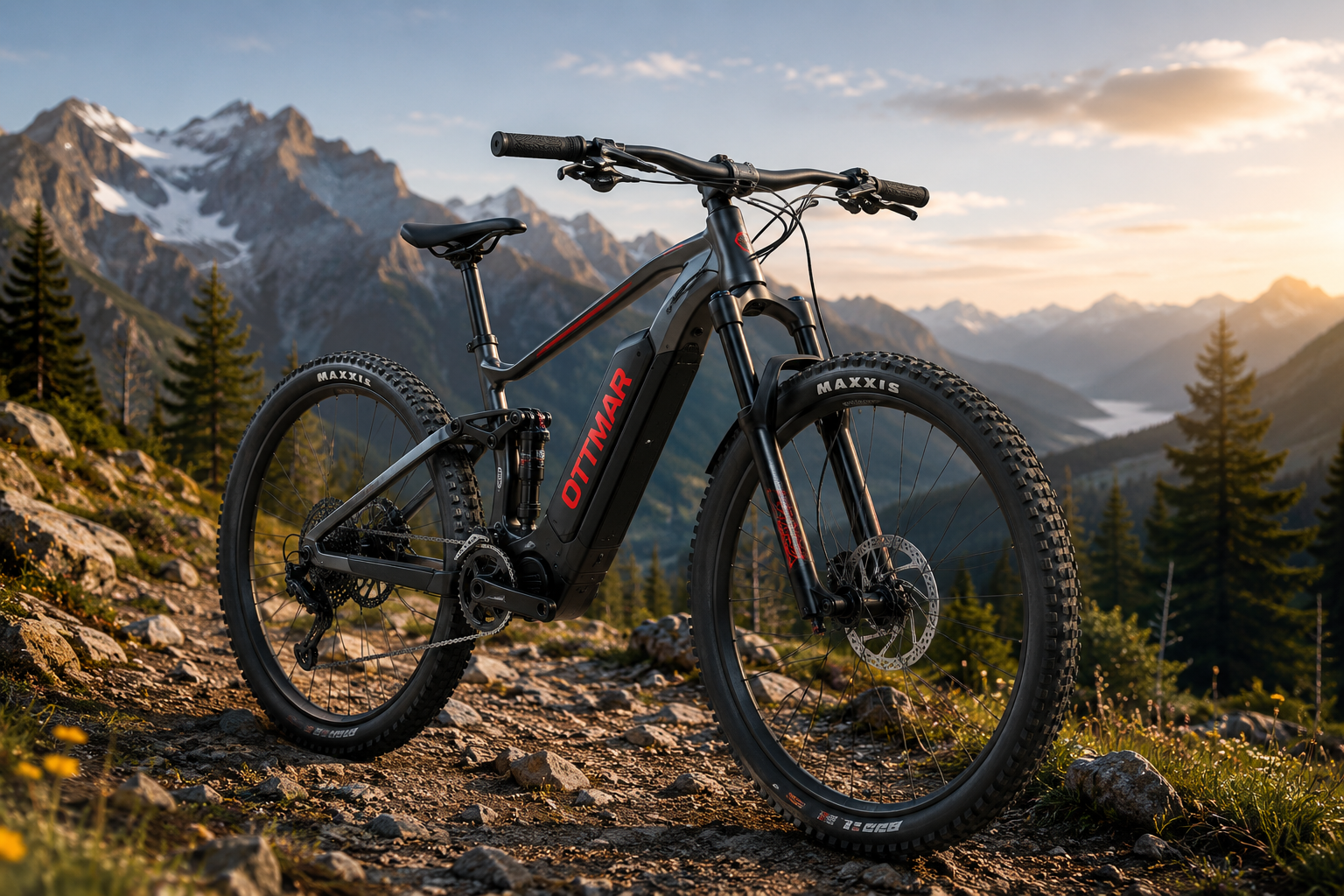
A high-performing electric bike begins with strong materials and thoughtful engineering. Professional manufacturers invest heavily in frame design, drivetrain integration, and battery protection systems to ensure long-term reliability.
Most modern electric bikes rely on 6061 aluminum alloy frames, which offer high structural strength while maintaining relatively low weight. Reinforced weld structures around stress points—such as the head tube, motor mount, and rear cargo section—help maintain durability under daily commercial use.
Key engineering factors include:
| Design Element | Engineering Purpose |
|---|---|
| Aluminum alloy frame | Strength-to-weight balance |
| Integrated battery housing | Protects battery from vibration and weather |
| Hub or mid-drive motor placement | Optimizes torque transmission |
| Hydraulic disc brakes | Provides stable braking performance |
Industry organizations such as the European Cyclists’ Federation emphasize that improved frame design and battery integration are key factors behind the rapid adoption of electric bikes in modern mobility systems.
https://ecf.com
These engineering principles form the technical foundation that a reliable electric bike manufacturer must master before delivering products to global markets.
How Product Design Changes Based on Real Customer Needs
While engineering fundamentals are important, real-world applications often require manufacturers to adapt designs for different operational needs. At OTMAR, product development typically begins with understanding how customers actually use their electric bikes.
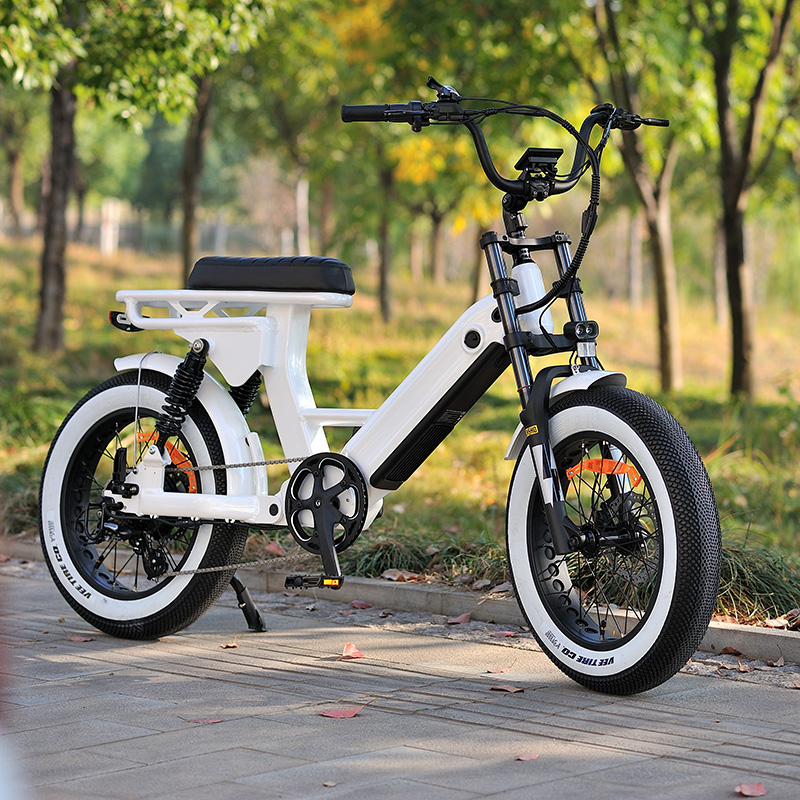
For example, when designing bikes for urban commuting, the priority is lightweight construction and smooth riding comfort. Commuter models usually feature lower motor power, efficient battery consumption, and ergonomic riding positions that support daily travel in city environments.
For delivery and logistics companies, however, the design priorities change significantly. Cargo electric bikes must support higher payloads, stronger frames, and motors with higher torque output. Reinforced rear racks and improved braking systems help maintain stability when transporting goods.
Another growing application is tourism and rental operations, where durability and ease of use become the main concerns. These fleets often require simplified control systems, stable frame geometry, and batteries capable of repeated daily charging cycles.
By adapting product engineering to these operational scenarios, a professional electric bike manufacturer can create solutions that truly match customer expectations rather than offering generic models.
Why Experience Matters When Choosing a Manufacturing Partner
Beyond technical design, buyers often evaluate whether a supplier has enough industry experience to support long-term business growth.
OTMAR’s team works closely with distributors, mobility operators, and project developers to understand market demands before recommending product solutions. This approach allows us to provide practical configuration suggestions rather than simply offering catalog products.
Through years of experience working with different markets, our team can assist partners with:
-
Product configuration for specific applications
-
OEM and branding customization
-
Certification preparation for international markets
-
Stable production planning and supply chain coordination
For many businesses, these capabilities are essential when choosing an electric bike manufacturer capable of supporting large-scale distribution.
Matching Electric Bike Designs to Real Operational Scenarios
Electric bikes are used in a wide variety of environments, and each scenario requires different technical priorities.
| Application | Recommended Configuration | Key Advantage |
|---|---|---|
| Urban commuting | Lightweight commuter e-bike | Efficient city mobility |
| Delivery logistics | Cargo electric bike | High torque and load capacity |
| Tourism rental | Comfort e-bike | Durable and easy to ride |
| Campus transport | City e-bike | Low maintenance operation |
Many logistics companies are adopting delivery e bikes because they can navigate congested urban environments more efficiently than traditional delivery vehicles. According to Transport & Environment, cargo electric bikes can significantly reduce urban delivery emissions while improving operational efficiency.
https://www.transportenvironment.org
These practical applications demonstrate how the expertise of an electric bike manufacturer directly influences the effectiveness of mobility solutions.
Certification Requirements Buyers Care About — and How OTMAR Ensures Compliance
For international distributors, safety certification is often one of the most critical concerns when sourcing electric bikes. Importers must ensure that products meet local regulations to avoid customs delays, product recalls, or legal issues.
Buyers typically look for manufacturers that can provide:
-
CE certification for European markets
-
EN15194 compliance for electric bicycle technical standards
-
UL 2849 certification for electrical safety in North America
-
UN38.3 test reports for lithium battery transportation
Without these certifications, distributors may struggle to import or legally sell electric bikes in certain regions.
OTMAR supports partners by integrating certification preparation into the manufacturing process. Our engineering team designs products according to international safety standards and works with testing laboratories to ensure documentation is ready for distributors.
Organizations such as UL Solutions emphasize that electrical system testing and battery safety verification are essential for electric bikes entering global markets.
https://www.ul.com
By providing complete certification documentation and compliance support, OTMAR helps customers confidently introduce products into their target markets while minimizing regulatory risk.
Shipping Concerns Importers Have — and How We Support Global Logistics
Another frequent concern for distributors is how electric bikes can be transported safely and efficiently across international supply chains. Because electric bikes contain lithium batteries and large frames, shipping requires careful planning.
Buyers typically ask questions such as:
-
How will the bikes be packaged for international transport?
-
Can the shipment comply with lithium battery transport regulations?
-
How can shipping costs be optimized for large orders?
OTMAR addresses these concerns with flexible logistics solutions tailored for global distributors.
Our export process includes:
| Shipping Method | Purpose |
|---|---|
| Fully assembled shipping | Ready-to-sell bikes for quick market launch |
| SKD packaging | Semi-assembled bikes that reduce shipping volume |
| CKD packaging | Complete kits for local assembly and lower freight costs |
We also provide necessary logistics documentation such as UN38.3 battery test reports, MSDS documentation, and compliant packaging standards, helping distributors pass customs inspections more smoothly.
By combining export experience with structured packaging strategies, a professional electric bike manufacturer can significantly reduce shipping risks and operational uncertainty for international buyers.
Global Shipping and Supply Chain Considerations
International buyers must also consider how electric bikes are packaged and transported.
Because lithium batteries are classified as regulated goods, manufacturers must follow strict logistics procedures. Export shipments typically include compliance documentation such as UN38.3 test reports and MSDS safety data.
Common shipping configurations include:
| Shipping Method | Description |
|---|---|
| Fully assembled | Ready-to-ride electric bikes |
| SKD packaging | Partially disassembled units |
| CKD packaging | Fully disassembled kits for local assembly |
Experienced exporters manage these processes carefully to ensure efficient international delivery.
Working with OTMAR for Reliable Electric Mobility Solutions
OTMAR focuses on providing reliable electric mobility products for distributors, mobility operators, and commercial fleet partners worldwide. By combining strong engineering design, durable materials, and consistent quality control, we help partners introduce electric bikes that perform reliably in real operating environments.
Our team continues to support customers with product development, stable supply capability, and practical mobility solutions designed for modern transportation needs.
If you want to learn more about our electric bike and electric trike solutions, you can visit our website homepage:
https://www.otmarx.com/
For distributors, fleet operators, or project developers looking for reliable manufacturing partners, our team is also available to discuss product specifications and cooperation opportunities:
https://www.otmarx.com/en/contact-us
Through continuous engineering improvement and close collaboration with our partners, OTMAR aims to remain a trusted electric bike manufacturer for global mobility markets.