
Big Tires Look Impressive—Until Real Terrain Tests Begin
When buyers first look for a fat tire electric bike manufacturer, the appeal is immediate.
Wider tires.
Stronger presence.
Better grip.
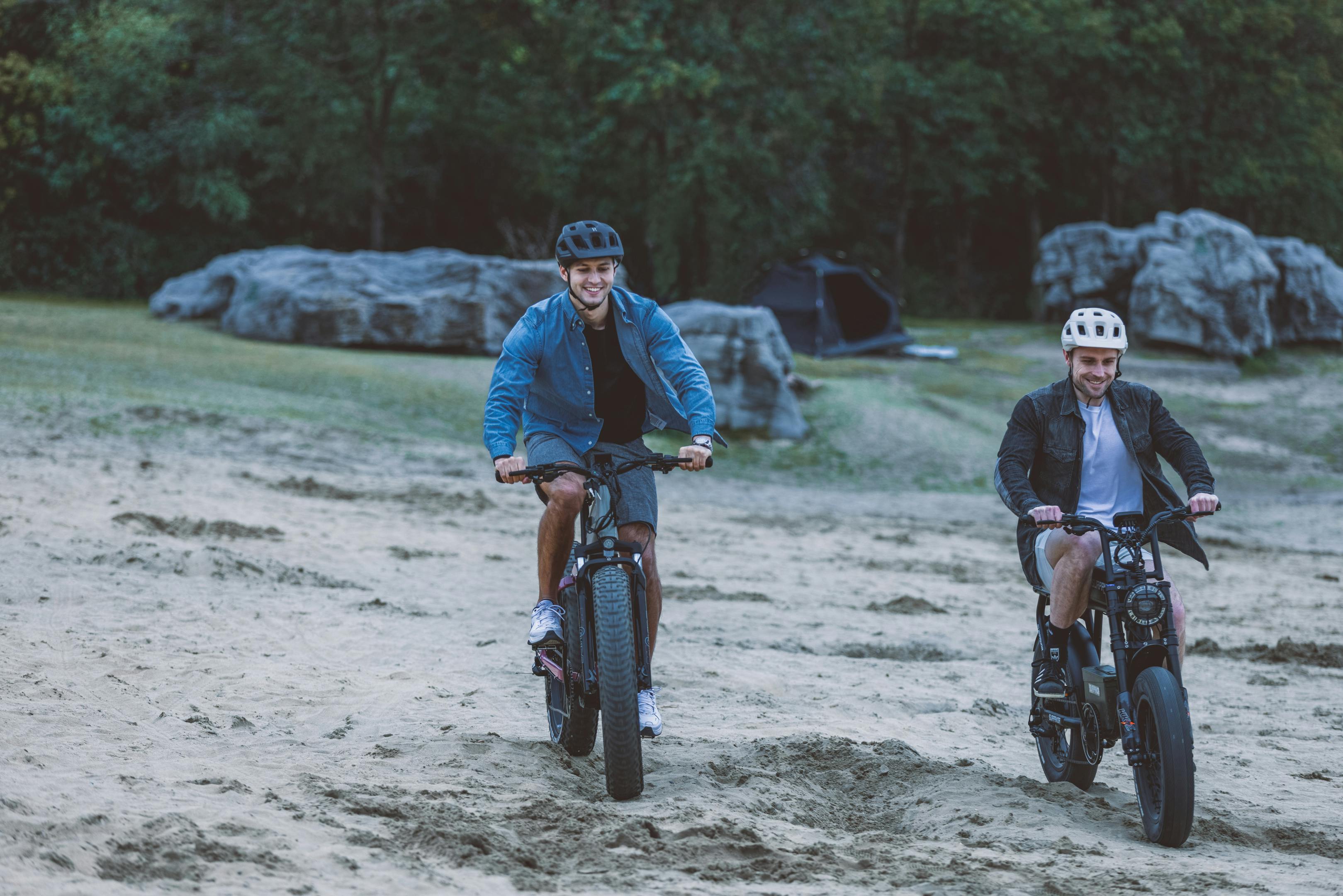
On display, fat tire e-bikes look powerful and capable of handling any terrain.
But once these bikes are used in real environments—sand, snow, gravel, uneven roads—the expectations shift.
We’ve seen distributors receive strong initial feedback based on appearance, only to face practical issues later:
The bike felt heavy to control.
Power delivery didn’t match terrain resistance.
Handling became unstable at certain speeds.
These are not design flaws—they are system imbalance issues.
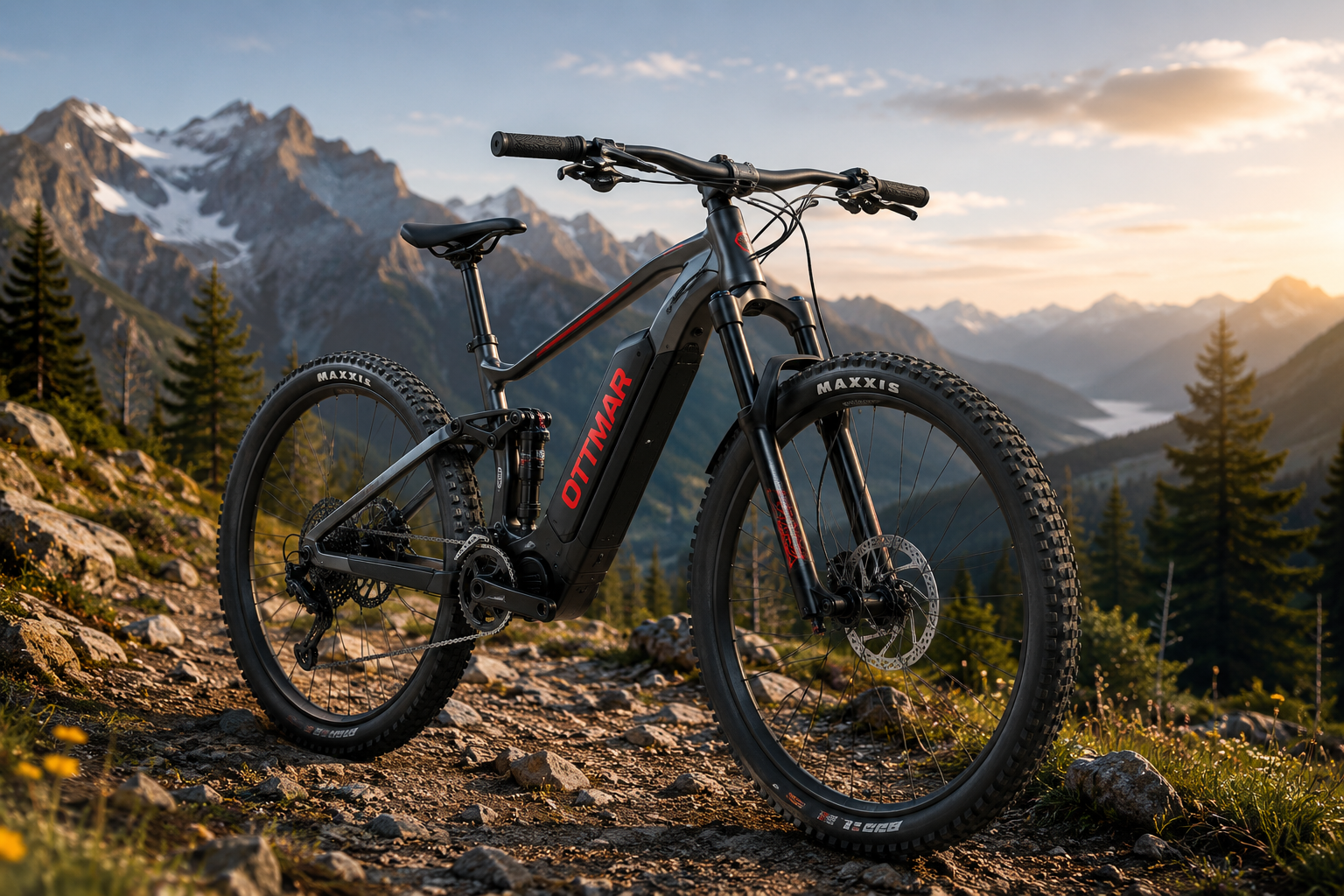
At OTMAR, we design fat tire electric bikes not around appearance, but around real terrain interaction.
Wide Tires Change the Entire Riding System
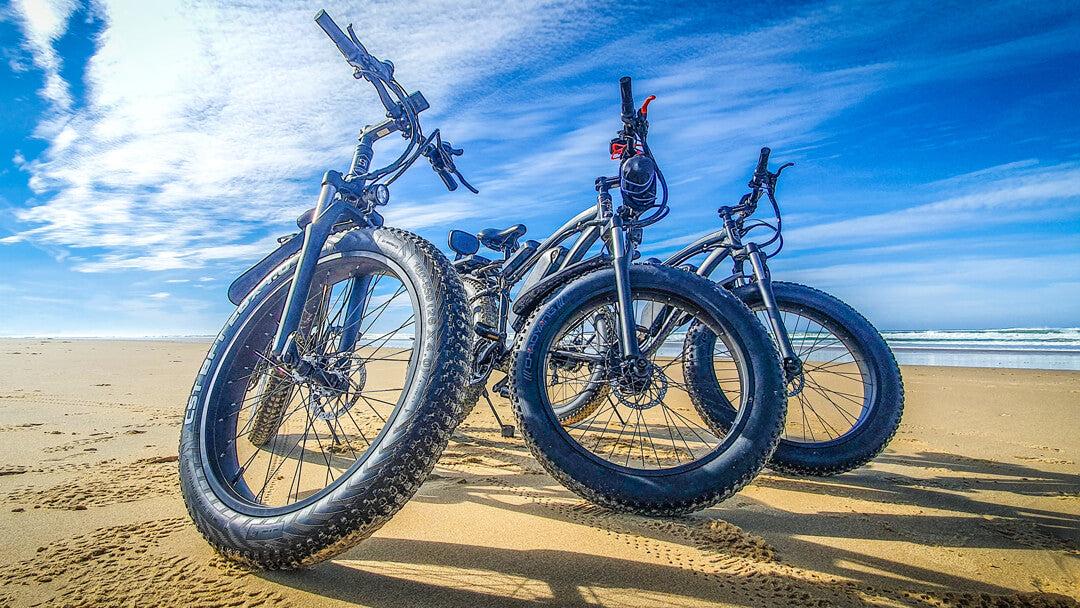
Fat tires are not just a visual feature—they fundamentally change how the bike behaves.
A wider tire increases:
- Ground contact area
- Rolling resistance
- Weight
- Stability requirements
| Tire Impact | Engineering Requirement |
|---|---|
| Increased resistance | Stronger motor output |
| Larger contact surface | Improved traction control |
| Heavier structure | Reinforced frame |
| Lower pressure tires | Suspension and balance adjustments |
Organizations such as the International Energy Agency highlight that electric mobility solutions must be adapted to terrain conditions to maintain efficiency.
https://www.iea.org/reports/global-ev-outlook
A professional fat tire electric bike manufacturer must treat tires as part of a complete system—not an isolated feature.
Power and Torque Must Match Terrain Reality
One of the most common mistakes in fat tire bike design is underestimating the power required.
Fat tires create higher rolling resistance, especially on soft terrain like sand or snow.
Without proper motor configuration, riders may experience:
- Slow acceleration
- Reduced climbing ability
- Increased battery consumption
At OTMAR, we optimize:
- Motor torque output for off-road conditions
- Controller calibration for smooth power delivery
- Battery capacity to maintain range under load
This ensures that the bike performs consistently across different terrains.
A capable fat tire electric bike manufacturer must balance power, efficiency, and control.
Stability Is More Than Just Tire Width
While fat tires improve traction, they do not automatically guarantee stability.
Stability depends on:
- Frame geometry
- Weight distribution
- Suspension setup
- Riding posture
| Stability Factor | Design Focus |
|---|---|
| Frame geometry | Balanced center of gravity |
| Weight distribution | Improved control |
| Suspension system | Shock absorption |
| Riding position | Rider comfort and handling |
Organizations like the European Cyclists’ Federation emphasize that rider control and stability are essential for safe cycling in varied environments.
https://ecf.com
A reliable fat tire electric bike manufacturer ensures that the bike remains stable not just on rough terrain, but also in everyday riding conditions.
Case: When Tire Size Was Treated as the Solution
A distributor in North America launched a fat tire e-bike line focused heavily on tire width and visual impact.
The product attracted attention quickly.
However, after several months, feedback revealed:
- The bike felt underpowered on inclines
- Battery range dropped significantly on soft terrain
- Handling felt inconsistent for new riders
The issue was not the tires—it was the system.
After working with OTMAR, the distributor adjusted motor configuration, improved frame balance, and optimized power delivery.
The result was a more usable product, not just a more attractive one.
Customers reported better control, improved range, and more confidence across different terrains.
This demonstrates that a professional fat tire electric bike manufacturer must design for performance, not just appearance.
Certification Still Matters for All-Terrain Bikes
Even off-road or all-terrain bikes must meet safety and compliance standards.
| Certification | Purpose |
|---|---|
| CE | European market access |
| EN15194 | Electric bicycle compliance |
| UL 2849 | Electrical system safety |
| UN38.3 | Battery transport compliance |
According to UL Solutions, electrical and battery safety testing is critical for all electric mobility products.
https://www.ul.com
A reliable fat tire electric bike manufacturer integrates certification into development, ensuring safe operation across all environments.
Logistics Considerations for Larger Bikes
Fat tire bikes are larger and heavier than standard models, which affects shipping.
| Packaging Type | Benefit |
|---|---|
| Fully assembled | Ready-to-use |
| SKD packaging | Reduced volume |
| CKD packaging | Flexible local assembly |
Because of their size, proper packaging is critical to avoid damage during transport.
At OTMAR, packaging solutions are adapted to protect wide tires and larger frames.
A professional fat tire electric bike manufacturer considers logistics as part of product delivery.
OTMAR: Built for Real Terrain Performance
Fat tire electric bikes are not defined by how they look—but by how they perform in real environments.
OTMAR focuses on building bikes that deliver:
- Stable handling
- Balanced power
- Reliable durability
You can explore our electric bike and electric trike solutions here:
https://www.otmarx.com/
If you are looking to develop or source fat tire electric bikes, our team is ready to support your project:
https://www.otmarx.com/en/contact-us
Because in all-terrain riding, performance is not measured by size—it’s measured by control.