
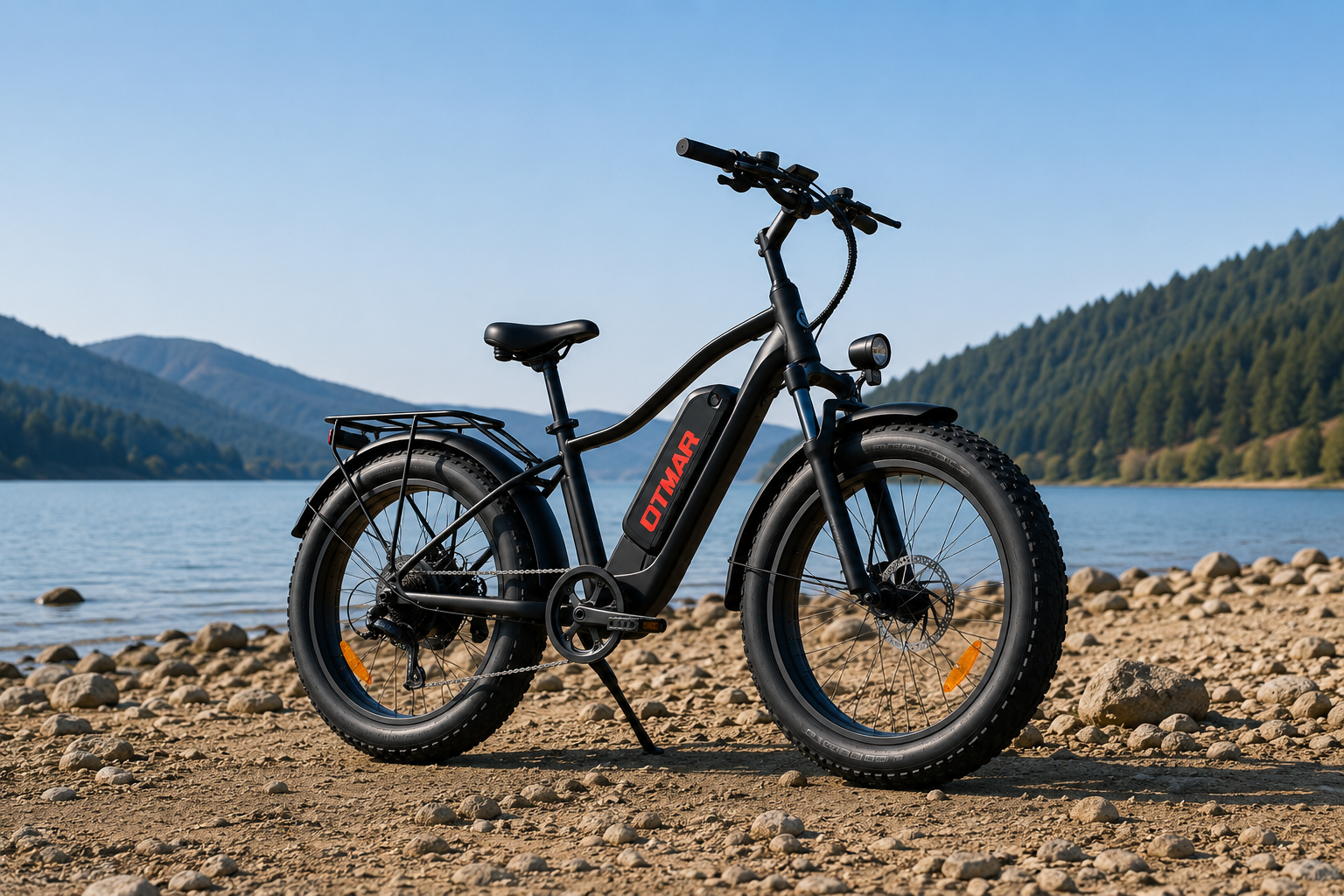
“All-Terrain” Sounds Easy—Until the Terrain Changes
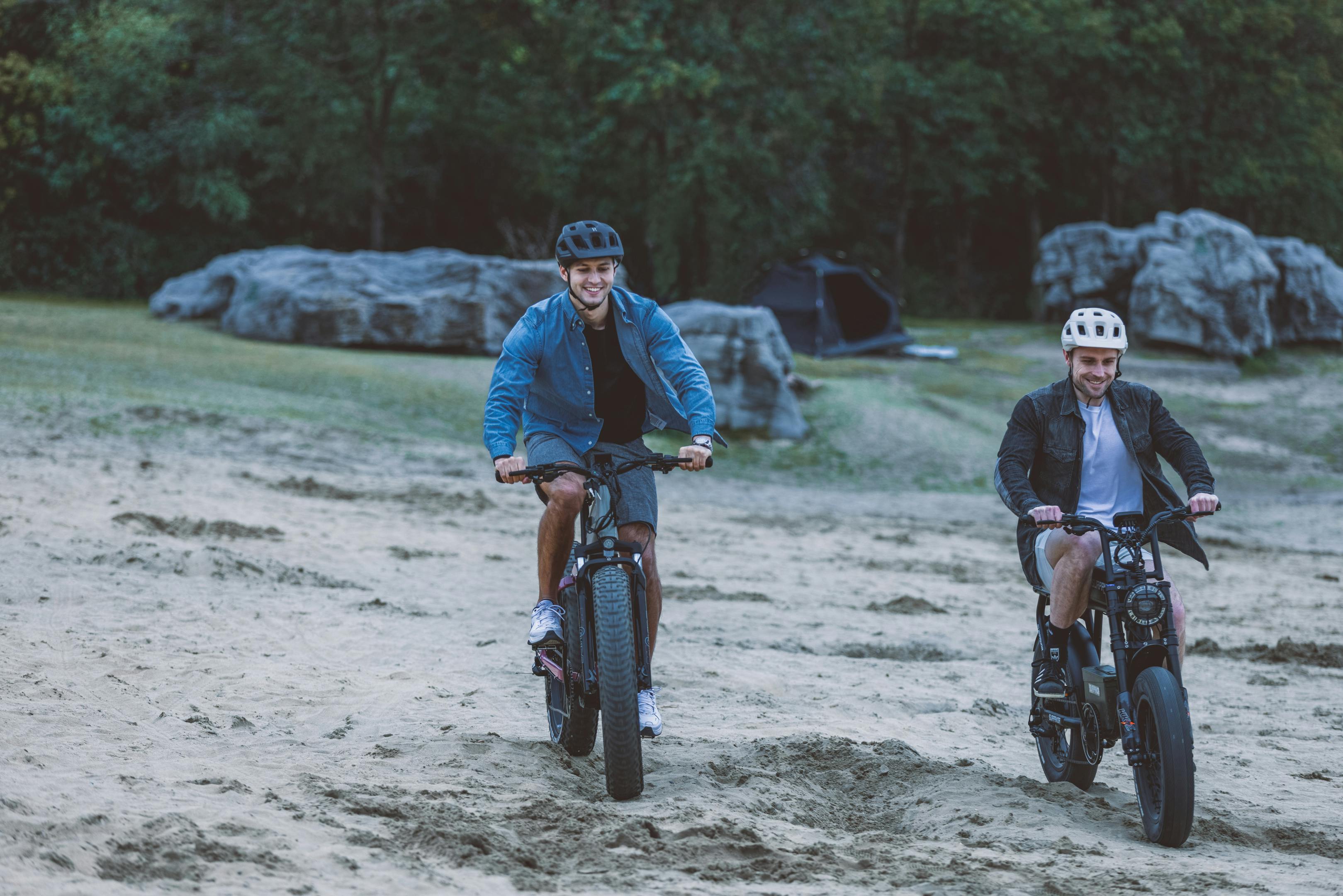
Most buyers looking for a fat tire electric bike supplier are drawn to one promise: all-terrain capability.
Sand. Snow. Gravel. City roads.
One bike for everything.
On paper, that sounds like a strong selling point.
But in real usage, terrain doesn’t stay consistent—and that’s where problems begin.
We’ve seen distributors introduce fat tire bikes into the market expecting versatility, only to receive feedback like:
The bike struggles on inclines.
Battery drains faster on soft ground.
Handling feels heavy in urban riding.
These aren’t failures. They’re mismatches between expectation and actual system performance.
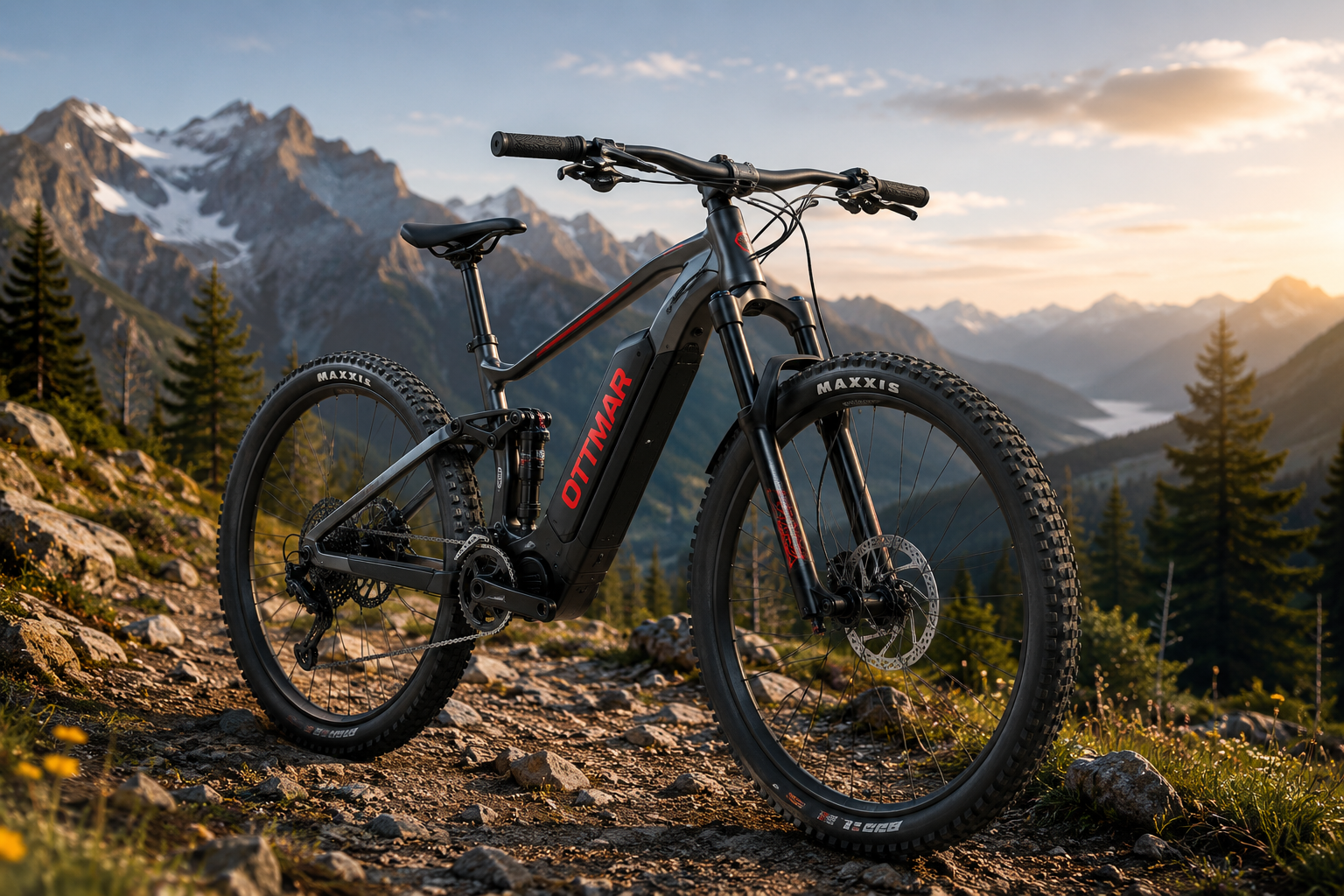
At OTMAR, we treat fat tire bikes not as “universal solutions,” but as terrain-adaptive systems that must perform under changing conditions.
What a Fat Tire Electric Bike Supplier Must Actually Deliver
A professional fat tire electric bike supplier is not just providing bikes with wider tires—they are delivering a complete system that can handle resistance, traction, and weight changes across environments.
This requires balancing:
- Motor output
- Battery capacity
- Frame strength
- Control stability
| Terrain Type | Required System Response |
|---|---|
| Sand | High torque and traction |
| Snow | Stable balance and control |
| Gravel | Shock absorption and durability |
| Urban roads | Smooth handling and efficiency |
According to the International Energy Agency, electric mobility solutions must be adapted to specific use environments to maintain efficiency and usability.
https://www.iea.org/reports/global-ev-outlook
A reliable fat tire electric bike supplier understands that terrain variation requires system-level design.
Power Demand Increases Faster Than Most Buyers Expect
One of the most common issues in fat tire bikes is underestimating power demand.
Wide tires create higher rolling resistance, especially on soft terrain.
Without proper configuration, riders experience:
- Reduced acceleration
- Difficulty climbing
- Increased battery consumption
At OTMAR, we address this by:
- Matching motor torque to terrain conditions
- Optimizing controller response for smooth power delivery
- Balancing battery capacity with real usage patterns
This ensures that performance remains stable—not just in ideal conditions, but in real-world use.
A professional fat tire electric bike supplier must design for resistance, not just speed.
Control and Stability Are More Important Than Grip Alone
Fat tires improve traction—but traction alone does not guarantee control.
Stability depends on how the entire bike is balanced.
We’ve seen cases where bikes with excellent grip still felt difficult to control due to:
- Poor weight distribution
- Unbalanced frame geometry
- Inconsistent suspension setup
| Stability Factor | Impact |
|---|---|
| Frame geometry | Affects rider control |
| Weight distribution | Influences balance |
| Suspension | Improves terrain adaptability |
| Riding posture | Enhances confidence |
Organizations such as the European Cyclists’ Federation highlight that rider control is essential for safe cycling across different environments.
https://ecf.com
A capable fat tire electric bike supplier ensures that grip, control, and stability work together.
Case: When “All-Terrain” Became “Too Specialized”
A distributor in the Middle East launched a fat tire e-bike model designed primarily for sand riding.
The product performed well in that specific environment.
However, when customers used the bike in mixed conditions—city roads, light off-road trails—feedback changed.
- The bike felt heavy for daily commuting
- Power delivery was not smooth on paved roads
- Battery efficiency dropped in mixed usage
The issue was not the design—it was the lack of balance.
After working with OTMAR, the distributor introduced a revised configuration that balanced off-road capability with urban usability.
The result was a more versatile product that performed consistently across environments.
This highlights a key point:
A professional fat tire electric bike supplier must design for versatility—not just specialization.
Certification Ensures Safety Across Environments
Fat tire bikes often operate in more demanding conditions, making safety and compliance critical.
| Certification | Purpose |
|---|---|
| CE | European market access |
| EN15194 | Electric bicycle standard |
| UL 2849 | Electrical system safety |
| UN38.3 | Battery transport compliance |
According to UL Solutions, proper testing ensures that electric mobility products remain safe under varying conditions.
https://www.ul.com
A reliable fat tire electric bike supplier integrates certification into production to ensure global compliance.
Logistics Must Account for Size and Weight
Fat tire bikes are larger and heavier, which affects transportation and storage.
| Packaging Type | Benefit |
|---|---|
| Fully assembled | Faster deployment |
| SKD packaging | Reduced volume |
| CKD packaging | Flexible assembly |
Improper packaging can damage wide tires or misalign components.
At OTMAR, packaging solutions are designed specifically for fat tire structures, ensuring safe delivery.
A professional fat tire electric bike supplier considers logistics as part of the overall product solution.
OTMAR: Built for Real Terrain, Not Just Marketing Claims
Fat tire electric bikes are not defined by their size—they are defined by how well they handle real conditions.
OTMAR focuses on delivering bikes that balance:
- Power
- Stability
- Durability
You can explore our electric bike and electric trike solutions here:
https://www.otmarx.com/
If you are sourcing fat tire electric bikes or expanding your product line, our team is ready to support your project:
https://www.otmarx.com/en/contact-us
Because in all-terrain riding, performance is not about claims—it’s about control.