
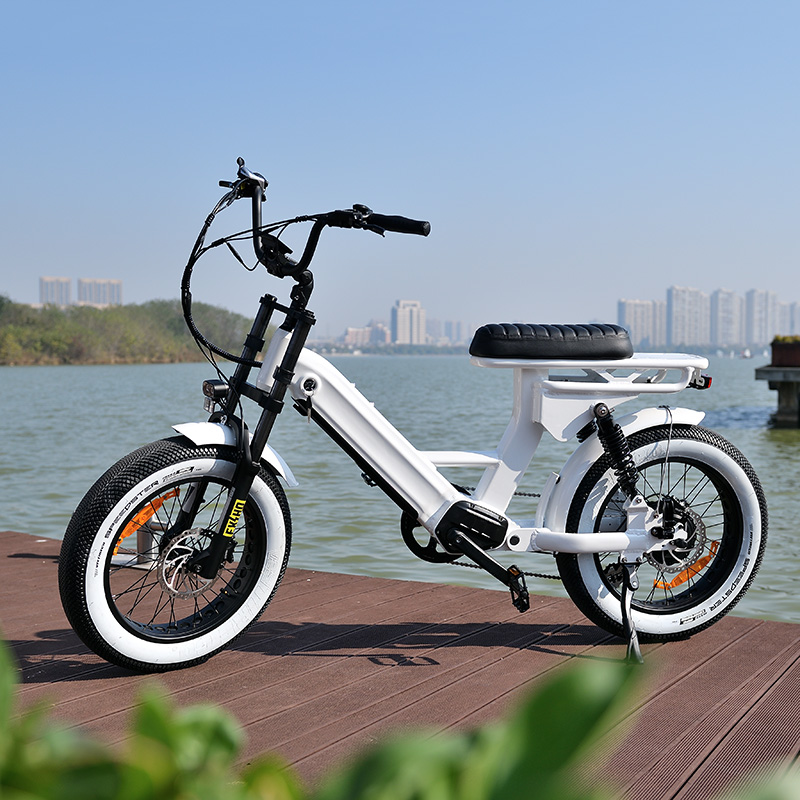
When Electric Bicycle Demand Grows Faster Than Supply
Over the last few years, demand for electric mobility has expanded rapidly across cities worldwide. Distributors, retailers, and mobility startups entering this market quickly discover that finding a reliable electric bicycle manufacturer is not simply about product availability—it is about long-term production capacity and engineering reliability.
Many buyers initially focus on product samples, but once demand increases, challenges such as inconsistent production schedules, unstable component sourcing, and delayed shipments begin to appear. These problems often emerge when suppliers lack scalable manufacturing systems.
OTMAR works with distributors and mobility brands that expect their product demand to grow steadily. Instead of treating electric bicycles as small consumer products, our manufacturing approach focuses on scalable production planning, supply chain stability, and engineering consistency.
According to the International Energy Agency, electric bicycles are becoming one of the most widely adopted forms of electric mobility because they combine low energy consumption with practical urban transportation benefits.
https://www.iea.org/reports/global-ev-outlook
For distributors planning long-term growth, working with an experienced electric bicycle manufacturer becomes a strategic business decision rather than a simple sourcing choice.
Key Component Integration That Determines Product Stability
A reliable electric bicycle is the result of multiple components working together seamlessly. Motors, battery systems, controllers, and mechanical drivetrain parts must operate as a unified system to deliver consistent performance.
Manufacturers with strong engineering capability focus heavily on component integration, ensuring that electrical systems and mechanical structures operate efficiently under real riding conditions. Poor integration can lead to issues such as unstable power delivery, battery overheating, or accelerated mechanical wear.
Critical component systems include:
| System | Role in Performance |
|---|---|
| Motor drive system | Determines torque delivery and climbing capability |
| Battery system | Defines riding range and energy efficiency |
| Controller unit | Regulates power output and motor response |
| Transmission system | Ensures smooth energy transfer to the wheels |
The Light Electric Vehicle Association (LEVA-EU) notes that improving integration between electric drive systems and mechanical structures has been one of the key factors behind the improved reliability of modern electric bicycles.
https://leva-eu.com
This level of technical integration is one of the areas where a capable electric bicycle manufacturer distinguishes itself from basic assembly suppliers.
Manufacturing Infrastructure That Supports Growing Orders
When distributors expand their electric bicycle product lines, production capacity quickly becomes an important consideration. Manufacturers must be able to scale output without sacrificing product quality or delivery schedules.
Professional manufacturing facilities typically include multiple production stages, such as frame preparation, electrical system assembly, final vehicle assembly, and functional testing. Each stage must operate efficiently to maintain stable production cycles.
OTMAR’s production structure focuses on maintaining consistency across large orders while preserving strict quality control. By coordinating component suppliers, assembly teams, and inspection procedures, the factory can support distributors that gradually increase their order volumes over time.
For partners planning long-term cooperation, this type of production infrastructure allows a reliable electric bicycle manufacturer to maintain stable delivery timelines even as demand grows.
Why Supply Chain Stability Matters for Electric Bicycle Programs
Electric bicycles rely on a wide network of component suppliers, including battery manufacturers, motor suppliers, controller producers, and mechanical component providers. If one part of the supply chain becomes unstable, production schedules may be disrupted.
This is why experienced manufacturers invest heavily in building stable supplier networks. By maintaining long-term relationships with component producers, manufacturers can ensure that production continues smoothly even when global demand fluctuates.
Supply chain stability also allows manufacturers to maintain consistent component specifications across production batches. This consistency is essential for distributors that need to maintain uniform product quality across multiple shipments.
A professional electric bicycle manufacturer therefore functions not only as a producer but also as a supply chain coordinator.
Certification Readiness That Simplifies Market Entry
Distributors entering international markets must ensure their products comply with regional safety and electrical standards. Without the proper certifications, electric bicycles may face regulatory barriers or customs delays.
Key certification requirements typically include:
| Certification | Market | Function |
|---|---|---|
| CE | European Union | Product safety approval |
| EN15194 | Europe | Electric bicycle technical compliance |
| UL 2849 | United States | Electrical safety verification |
| UN38.3 | Global | Lithium battery transport certification |
Organizations such as UL Solutions emphasize that testing electric mobility products for electrical and battery safety significantly improves reliability and consumer trust.
https://www.ul.com
Manufacturers that integrate certification planning into product development allow distributors to enter new markets more efficiently.
Case Study: Supporting a Distributor Scaling Its Electric Bicycle Business
A distributor in Eastern Europe approached OTMAR after experiencing supply instability with a previous supplier. While their electric bicycle models sold well in local retail stores, the manufacturer they initially worked with struggled to keep up with increasing order volumes.
The distributor needed a partner capable of maintaining consistent product quality while scaling production.
OTMAR evaluated the distributor’s product requirements and production forecasts before recommending a manufacturing plan that could support gradual order growth. Initial production batches focused on commuter electric bicycles designed for urban transportation.
Over the following year, the distributor expanded their product range and increased order quantities as market demand grew. Because the manufacturing process remained stable, the distributor was able to maintain consistent product availability in retail channels.
This partnership illustrates how working with a capable electric bicycle manufacturer can help distributors expand their mobility business without facing production disruptions.
Logistics Planning That Supports International Distribution
Transporting electric bicycles internationally requires careful logistics planning. Because lithium batteries are regulated components, shipping procedures must follow strict international safety guidelines.
Manufacturers typically provide multiple export packaging options depending on distributor needs:
| Packaging Type | Purpose |
|---|---|
| Fully assembled | Ready-to-sell retail products |
| SKD packaging | Reduced shipping volume |
| CKD packaging | Local assembly programs |
Along with these packaging solutions, manufacturers must provide documentation such as UN38.3 battery testing reports and MSDS safety records to ensure smooth customs clearance.
These logistics preparations help distributors receive products efficiently while maintaining compliance with international shipping regulations.
OTMAR: A Manufacturing Partner for Long-Term Electric Mobility Growth
OTMAR focuses on supporting distributors and mobility brands that are building long-term electric transportation programs. By combining engineering expertise, scalable manufacturing systems, and stable supply chain coordination, our team helps partners introduce electric bicycles that perform reliably in real markets.
Our manufacturing capabilities are designed to support growing product demand while maintaining consistent quality and delivery schedules.
You can explore our electric mobility products on our website homepage:
https://www.otmarx.com/
For distributors or mobility companies interested in OEM cooperation or supply partnerships, our team is available to discuss project requirements and product configurations:
https://www.otmarx.com/en/contact-us
By continuing to improve engineering integration and production capability, OTMAR aims to remain a trusted electric bicycle manufacturer for distributors and mobility brands worldwide.