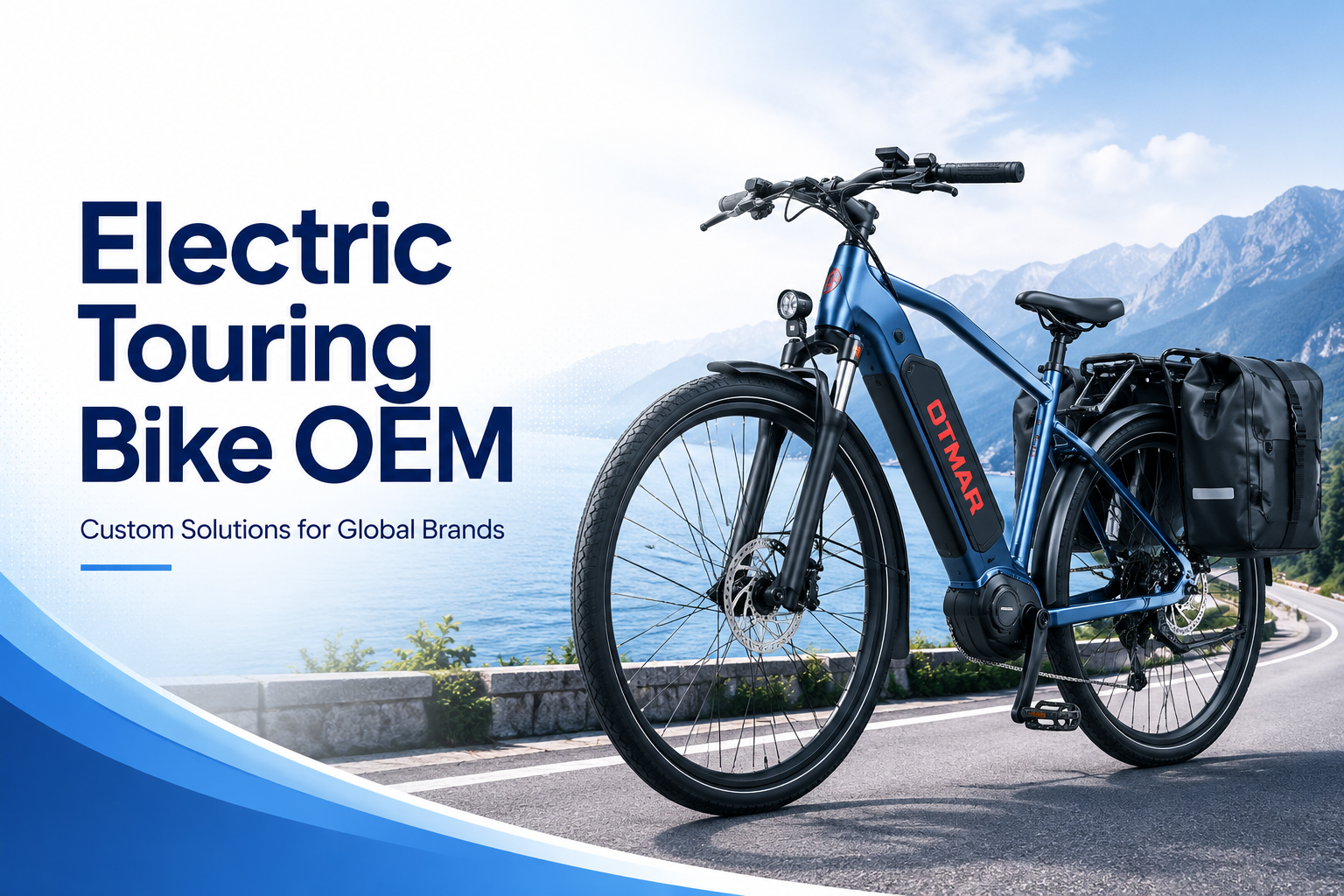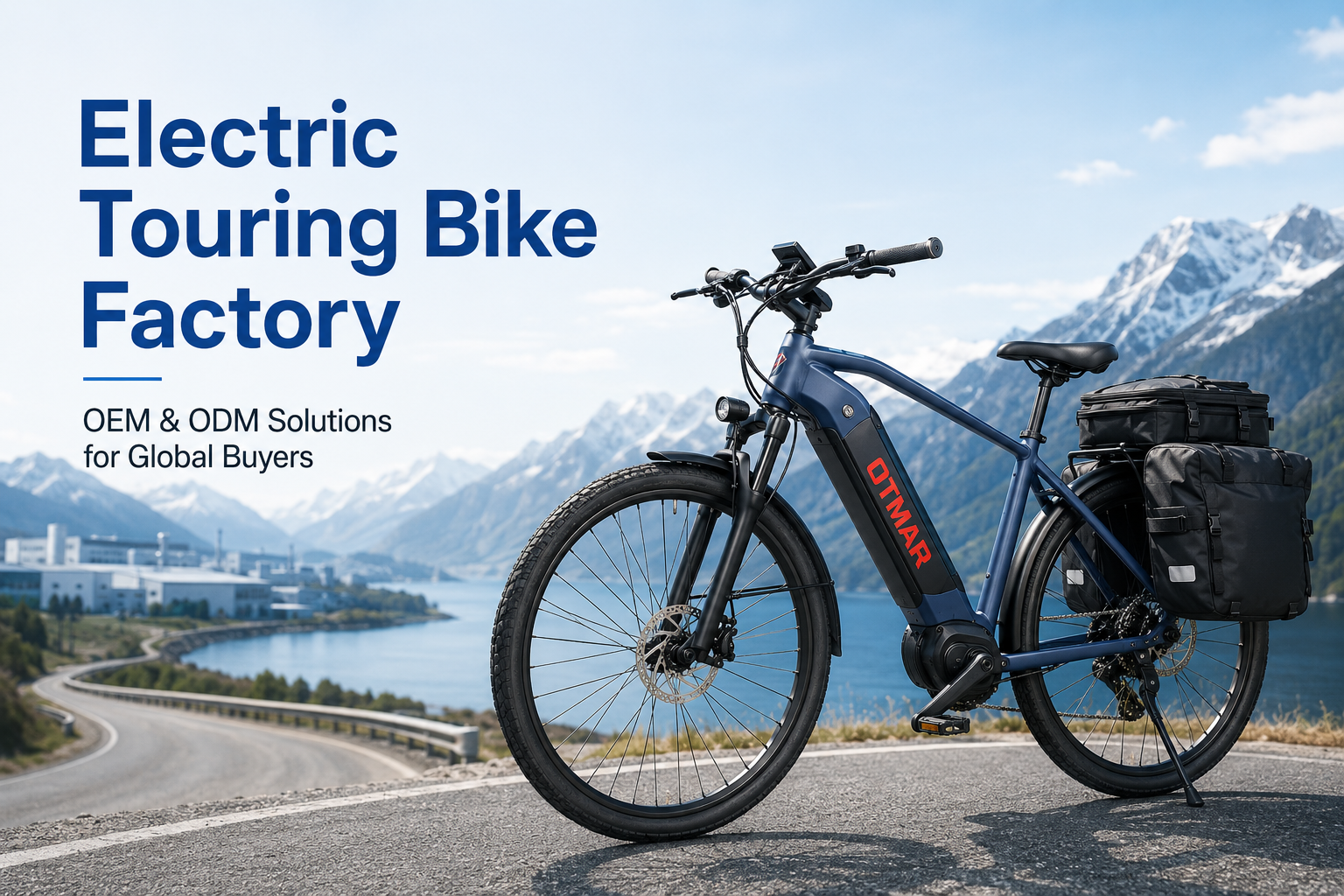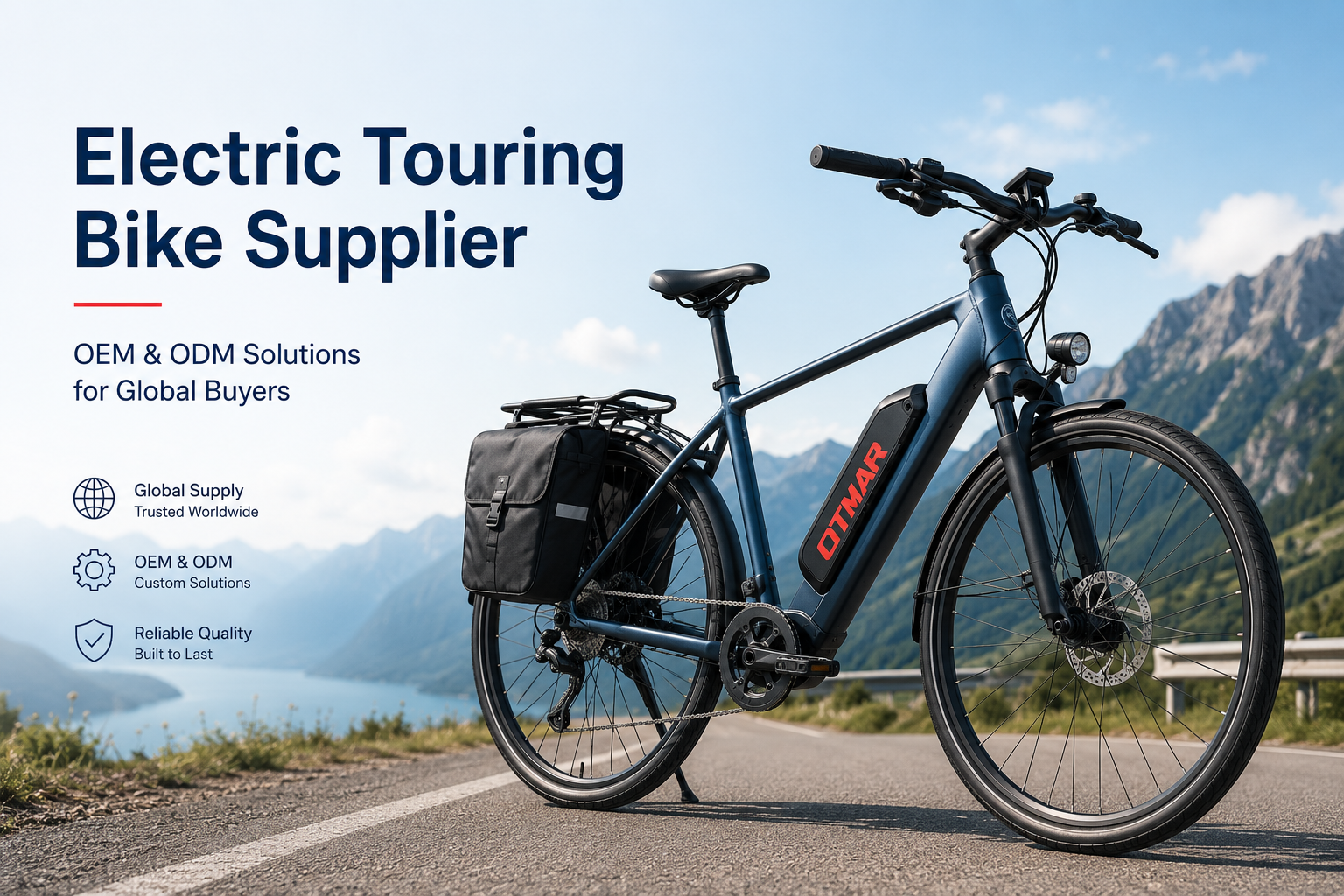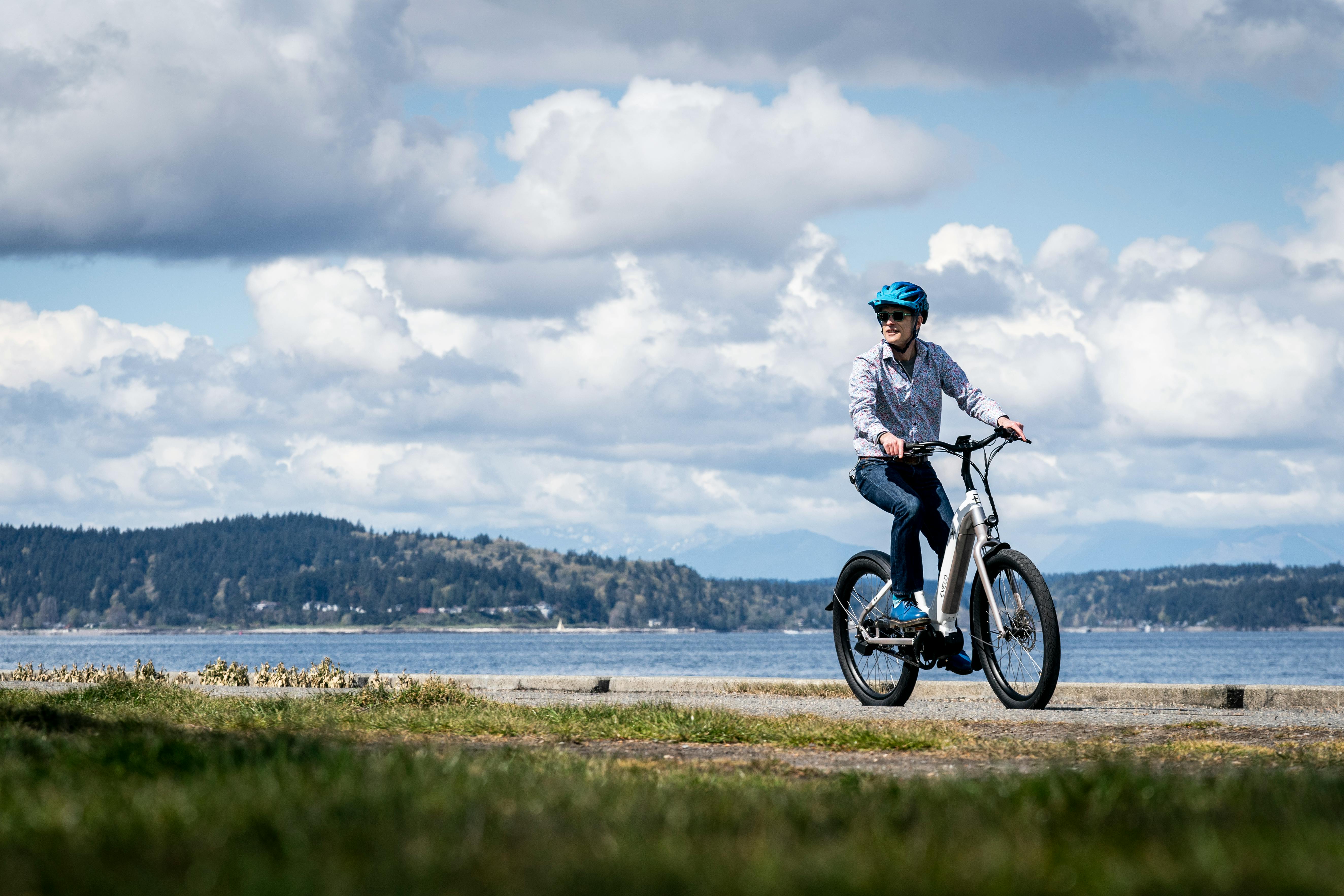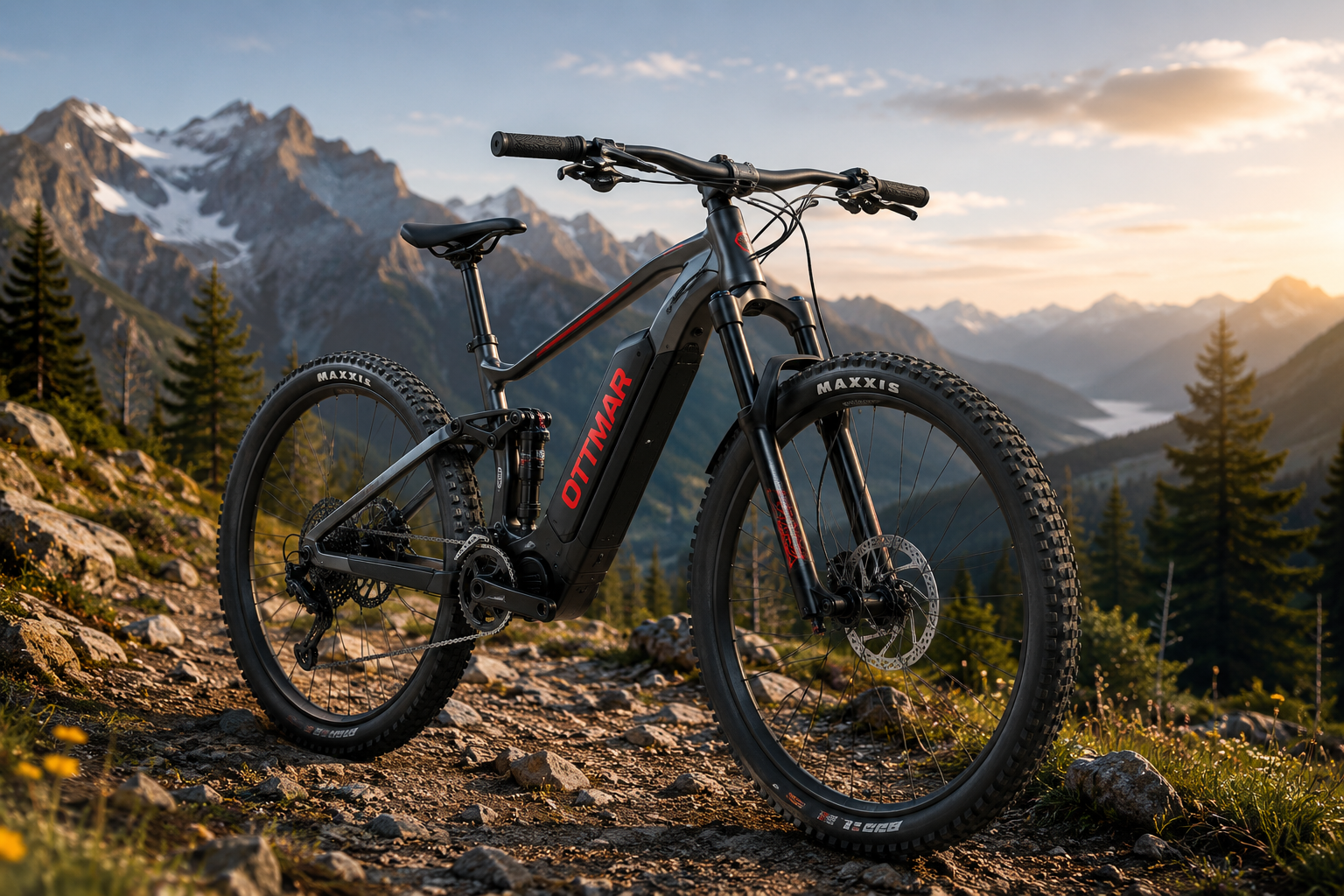

Many electric mountain bikes appear impressive in product photos. Larger tires, integrated batteries, and aggressive frame geometry can easily create the impression of a premium product. However, experienced distributors usually focus on something far more important: the actual capabilities of the electric mountain bike factory behind the product.
This shift is happening because more buyers have experienced the hidden risks of unstable production. Some factories can build attractive samples, but struggle with long-term consistency once mass production begins. Common problems include frame alignment deviation, battery mounting looseness, inconsistent suspension setup, and unstable motor calibration.
For global distributors, these issues quickly become warranty costs and reputation risks.
That is why choosing a professional electric mountain bike factory is no longer only about price. Buyers increasingly evaluate manufacturing systems, engineering coordination, testing processes, and export experience before placing large-volume orders.
According to the International Mountain Bicycling Association, electric mountain bikes continue expanding outdoor riding participation because they improve accessibility to longer and steeper terrain.
https://www.imba.com
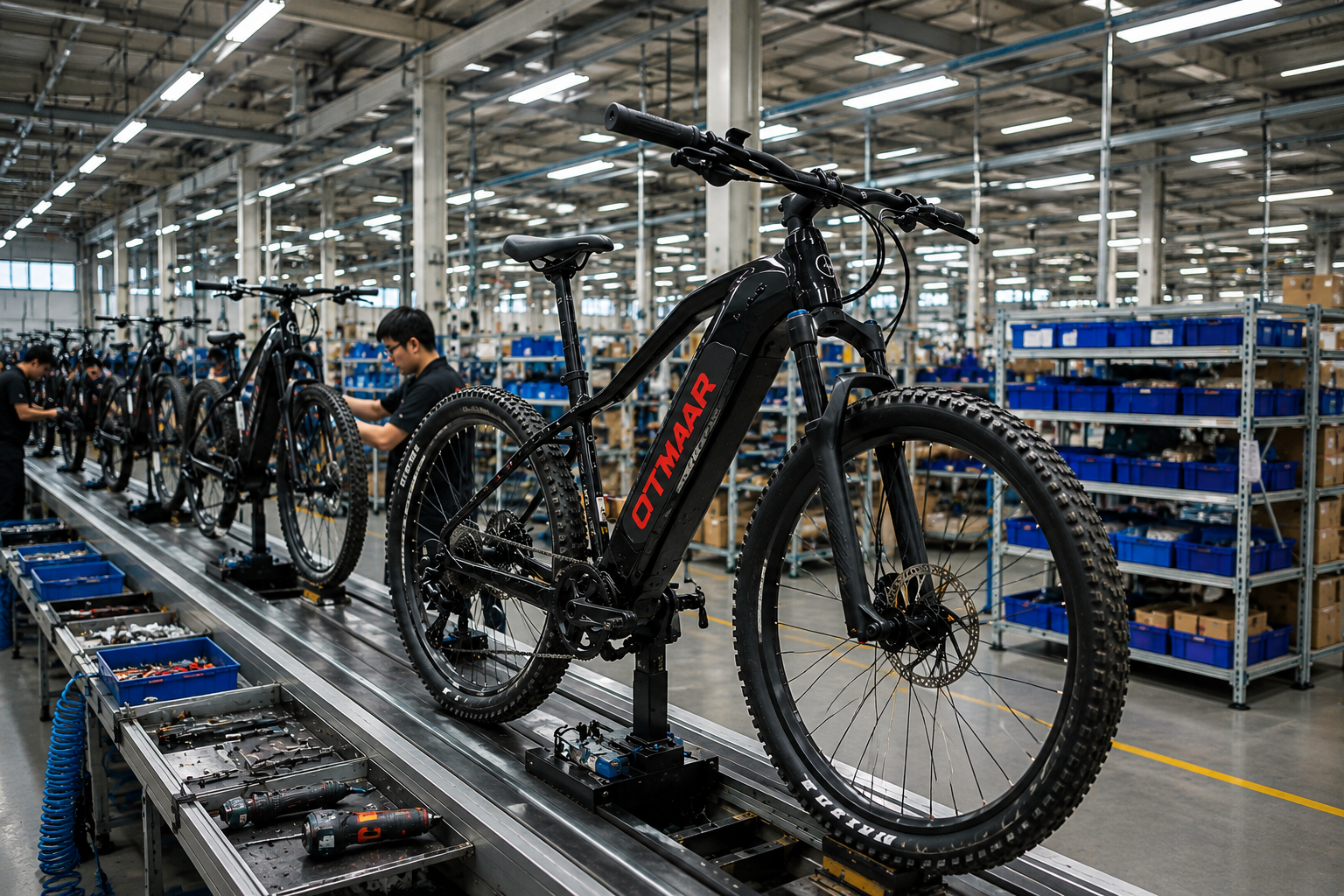
What Actually Happens Inside a Professional Electric Mountain Bike Factory
A modern electric mountain bike factory is far more than a simple assembly workshop. Reliable production requires coordination between frame engineering, electrical systems, wheel alignment, suspension integration, and quality inspection.
For mountain e-bikes specifically, production tolerances become extremely important because off-road riding creates significantly more stress than urban commuting.
Core factory operations usually include:
| Production Area | Primary Function |
|---|---|
| Frame welding | Structural strength and geometry accuracy |
| Battery integration | Electrical safety and vibration protection |
| Motor installation | Torque and drivetrain calibration |
| Suspension assembly | Riding comfort and terrain response |
| Final inspection | Stability and safety verification |
A capable electric mountain bike factory carefully controls each stage to ensure every unit performs consistently under real riding conditions.
Why Frame Alignment Matters More Than Most Buyers Expect
One overlooked issue in mountain e-bike production is frame precision.
Small deviations during welding or frame alignment can create major riding problems later:
- unstable steering at high speed
- uneven suspension response
- accelerated tire wear
- poor downhill balance
- reduced climbing control
An experienced electric mountain bike factory therefore spends significant effort controlling geometry accuracy throughout production.
This becomes especially important for:
| Riding Environment | Structural Requirement |
|---|---|
| Rocky terrain | Reinforced frame rigidity |
| Forest trails | Stable steering geometry |
| Steep climbs | Balanced center of gravity |
| Long-distance routes | Reduced rider fatigue |
Without proper structural control, even high-powered mountain e-bikes may feel unstable during aggressive trail riding.
Battery Protection Is One of the Most Critical Factory Challenges
Mountain riding exposes battery systems to repeated shock, vibration, mud, and temperature changes.
Because of this, a professional electric mountain bike factory cannot simply install standard commuter-bike battery systems into off-road models.
Instead, manufacturers must consider:
- waterproof sealing
- thermal management
- vibration resistance
- reinforced mounting systems
- impact protection
Battery integration often determines long-term product reliability more than motor wattage alone.
Organizations such as UL Solutions continue emphasizing battery verification and electrical safety testing for electric mobility systems entering global markets.
https://www.ul.com
For distributors, poor battery integration often leads to the highest warranty and after-sales service costs.
Why OEM Buyers Need More Than Simple Assembly Capability
Many distributors searching for an electric mountain bike factory are no longer looking only for production capacity. They also need OEM flexibility and long-term cooperation support.
At OTMAR, OEM support may include:
- custom frame colors
- branded battery housings
- packaging customization
- logo integration
- suspension configuration options
- market-specific model recommendations
Different regions also demand different product characteristics.
| Market Type | Typical Product Preference |
|---|---|
| Europe | Lightweight trail eMTBs |
| North America | High-power full suspension models |
| Tourism operators | Durable low-maintenance bikes |
| Rental businesses | Simplified maintenance systems |
A professional electric mountain bike factory must understand these differences before recommending production solutions.
Quality Testing Separates Serious Factories from Basic Assemblers
One major difference between factories is testing methodology.
Low-level assemblers often rely only on visual inspection. Professional manufacturers perform repeated structural and riding verification before shipment.
Common factory-level tests include:
| Test Type | Purpose |
|---|---|
| Frame fatigue testing | Structural durability verification |
| Battery vibration testing | Electrical stability protection |
| Brake testing | Downhill safety control |
| Water resistance testing | Wet environment reliability |
| Road simulation testing | Long-term riding consistency |
These testing processes help ensure products remain reliable after months of trail riding rather than only during initial use.
A serious electric mountain bike factory treats testing as part of product engineering — not simply final inspection.
Export Logistics Become More Complex for Mountain E-Bikes
Compared with standard commuter bicycles, mountain e-bikes are larger, heavier, and more sensitive during transportation.
A reliable electric mountain bike factory therefore also needs strong export coordination capability.
Export support may include:
| Shipping Solution | Advantage |
|---|---|
| Fully assembled shipping | Faster retail launch |
| SKD packaging | Reduced shipping volume |
| CKD packaging | Local assembly flexibility |
Because lithium batteries are regulated goods, factories must also provide:
- UN38.3 reports
- MSDS documentation
- compliant battery packaging
- export labeling standards
For international distributors, efficient logistics coordination can significantly reduce customs delays and transportation risks.
Working with OTMAR for Electric Mountain Bike OEM Projects
OTMAR focuses on manufacturing electric mobility products designed for real riding environments and long-term distribution reliability.
As an experienced electric mountain bike factory, we support distributors, OEM brands, and project operators through engineering-focused development, stable production management, and export coordination.
Learn more about our manufacturing capabilities here:
https://www.otmarx.com/about-us
Explore our electric bike product lineup here:
https://www.otmarx.com/products/electric-bikes
For OEM cooperation and product inquiries, contact our team here:
https://www.otmarx.com/en/contact-us
By combining structural engineering, quality-focused production, and practical export experience, OTMAR continues supporting global partners looking for reliable electric mountain bike manufacturing solutions.