
Why Choose an Electric Cargo Bike Factory for Your Business?
The demand for electric cargo bikes is growing as businesses look for more efficient solutions for urban transportation, last-mile delivery, commercial logistics, and sustainable mobility.
For importers, distributors, fleet operators, and private-label brands, selecting an electric cargo bike factory is a strategic sourcing decision. A reliable factory should provide more than a product catalog. It should offer engineering capability, stable manufacturing, customization support, quality control, and long-term cooperation.
Unlike standard electric bicycles, cargo e-bikes are designed to carry additional weight and operate under more demanding conditions. They need stronger frames, reliable electrical systems, better load distribution, and practical cargo solutions.
A professional electric cargo bike manufacturer should understand:
- Cargo weight requirements
- Delivery operating cycles
- Battery range expectations
- Urban mobility conditions
- Rider safety
- Maintenance requirements
- Market-specific regulations
For B2B buyers, the goal is not simply finding the lowest-cost supplier. The goal is finding a factory that can provide the right product platform for the intended application.
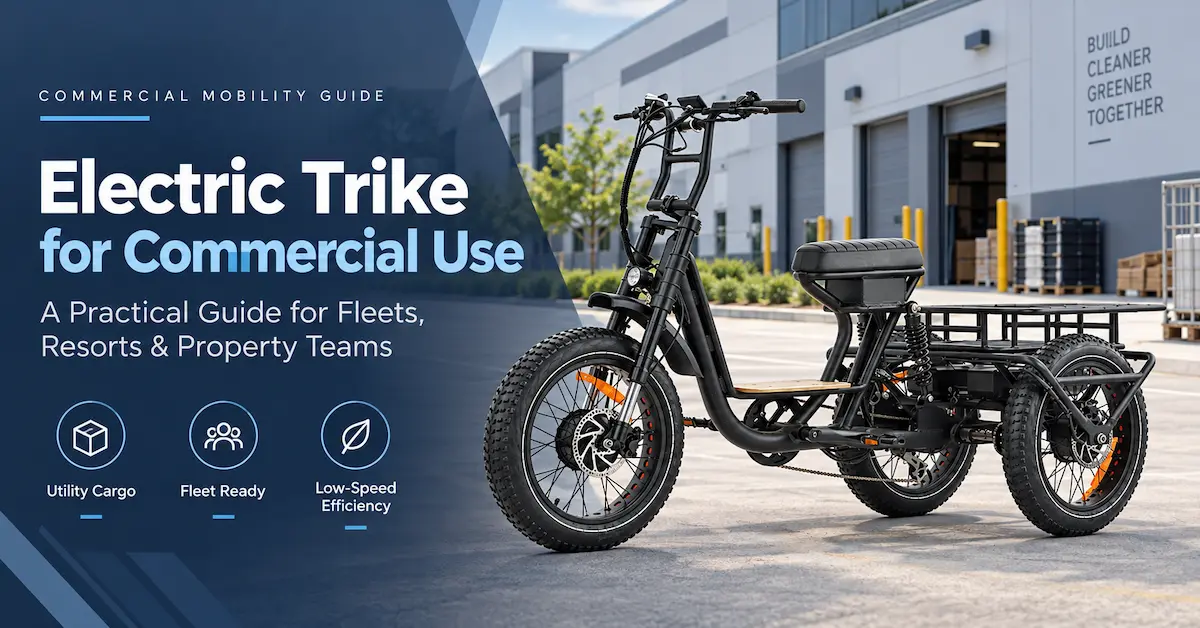
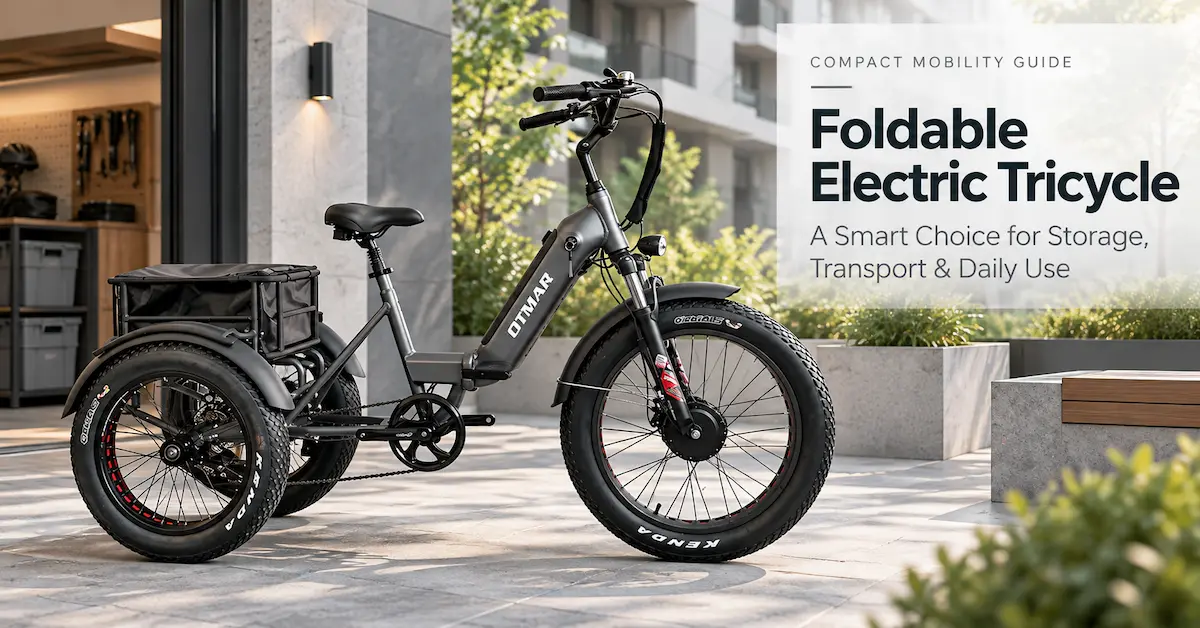
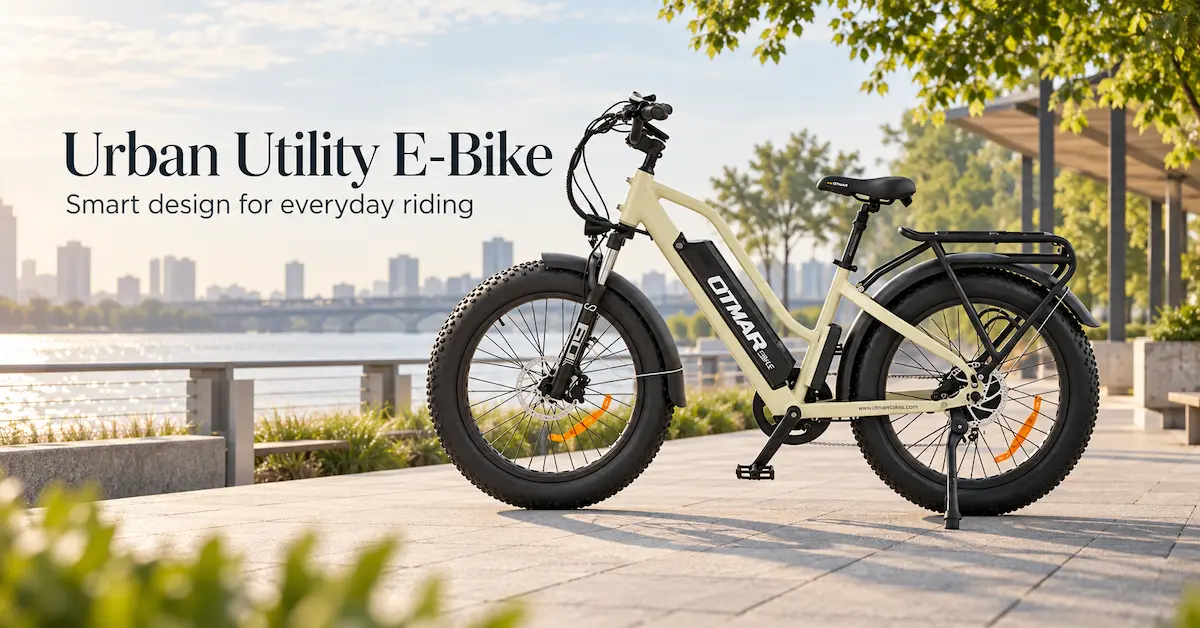
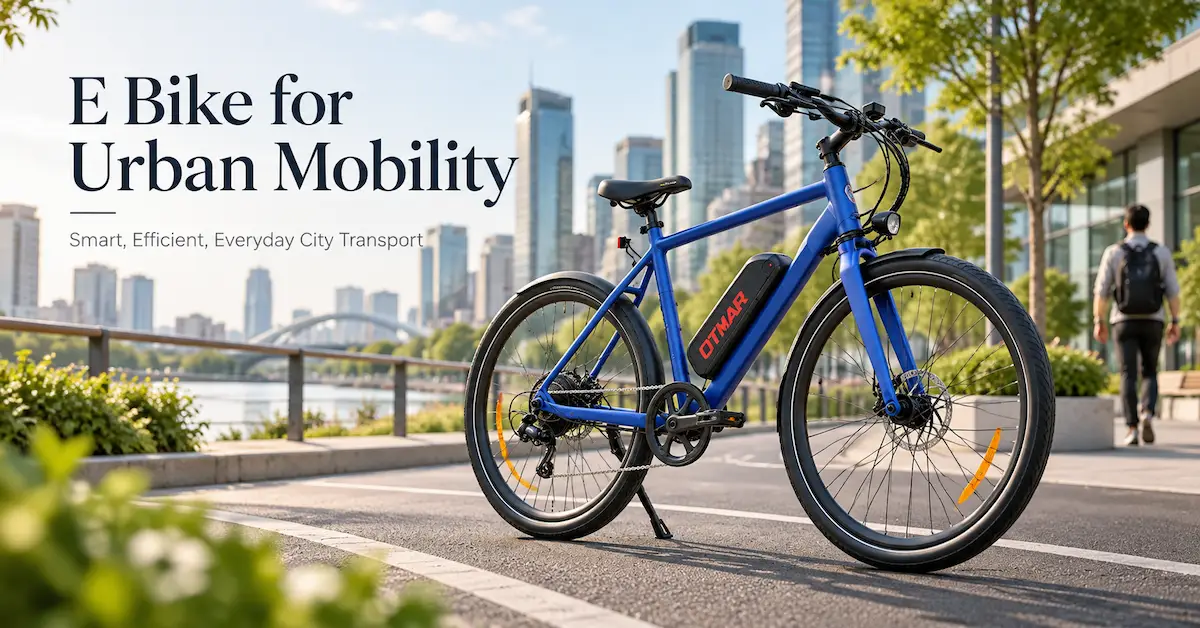
OTMAR provides electric mobility solutions including electric bikes and electric trikes for global partners. Buyers can explore the OTMAR electric bike products and evaluate suitable platforms for commercial mobility projects.
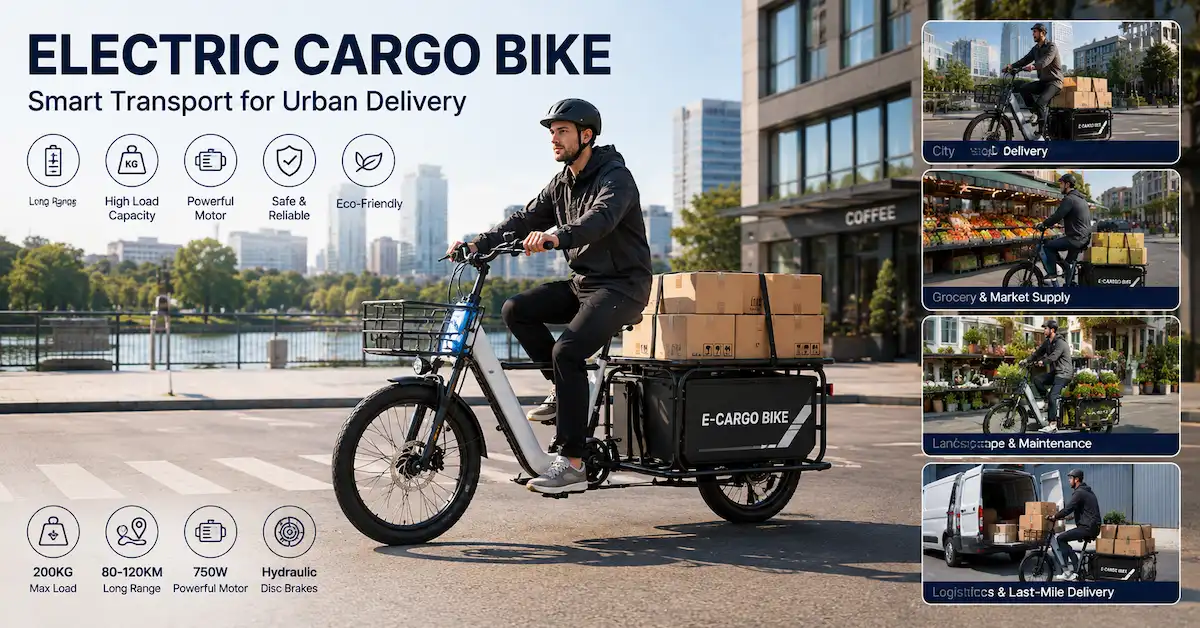
Who Needs an Electric Cargo Bike Factory?
Different commercial buyers have different requirements when sourcing cargo e-bikes.
Food Delivery Companies
Food delivery businesses require vehicles that can handle:
- Frequent stops and starts
- Daily long-distance operation
- Delivery boxes
- Urban traffic conditions
- Multiple working hours
Important requirements include:
- Stable cargo mounting
- Reliable battery performance
- Comfortable riding position
- Easy maintenance
For delivery businesses, the best cargo e-bike is not always the most powerful model. It should be the model that can complete daily routes consistently.
Logistics and Last-Mile Delivery Companies
Urban logistics companies increasingly use electric cargo bikes for short-distance transportation.
Common applications include:
- Parcel delivery
- Local distribution
- Warehouse-to-customer delivery
- Business-to-business transportation
These buyers usually focus on:
- Payload capability
- Durability
- Fleet standardization
- Spare parts availability
- Operating cost
A professional cargo e-bike supplier should understand fleet requirements rather than only selling individual units.
Retailers and Distributors
Retail buyers and distributors need products that can fit their local market.
Important considerations include:
- Customer demand
- Product positioning
- Price range
- Service support
- Replacement parts
- Marketing differentiation
A strong supplier should provide product recommendations based on market conditions instead of offering the same configuration to every buyer.
Private Label Electric Bike Brands
Private-label brands often require deeper cooperation with a factory.
Customization may include:
- Brand logo
- Frame color
- Product appearance
- Battery configuration
- Motor selection
- Accessories
- Packaging
- User manuals
An experienced OEM electric cargo bike manufacturer can help brands create products that match their target customers.
Commercial and Property Applications
Electric cargo bikes are also suitable for:
- Resorts
- Campuses
- Industrial parks
- Large properties
- Maintenance teams
These users usually prioritize:
- Reliability
- Low operating cost
- Easy operation
- Safety
- Long service life
What Types of Electric Cargo Bikes Can a Professional Factory Provide?
A qualified electric cargo bike factory should have multiple product platforms because different applications require different designs.
Long Tail Cargo Bikes
Long-tail cargo bikes extend the rear loading area while maintaining a bicycle-style riding experience.
Typical applications:
- Family transportation
- Small business use
- Retail delivery
- Daily utility
Advantages:
- Flexible riding experience
- Easier storage
- Lower complexity
- Suitable for urban environments
Buyers should evaluate:
- Rear rack strength
- Cargo weight distribution
- Frame stability
- Passenger safety
Front Load Cargo Bikes
Front-load cargo bikes place the cargo area in front of the rider.
Common applications:
- Food delivery
- Commercial transport
- Grocery delivery
Advantages:
- Large cargo visibility
- Better cargo organization
- Professional delivery appearance
Important design factors:
- Steering stability
- Cargo box structure
- Weather protection
- Braking performance
Heavy-Duty Cargo E Bikes
Heavy-duty cargo bikes are designed for commercial operations requiring higher carrying capability.
Applications include:
- Logistics
- Industrial transportation
- Business delivery
Key requirements:
- Reinforced frame
- Strong motor system
- Larger battery capacity
- Durable components
Cargo Bikes With Custom Storage Systems
Some businesses require customized cargo solutions.
Examples:
- Insulated food boxes
- Lockable storage compartments
- Advertising boxes
- Tool compartments
- Service equipment platforms
For OEM projects, the cargo structure is often one of the most important customization areas.
How to Evaluate an Electric Cargo Bike Factory?
Choosing the right factory requires evaluating more than price.
Factory Manufacturing Capability
A professional factory should have experience with:
- Frame manufacturing
- Electrical assembly
- Vehicle testing
- Quality inspection
- Export preparation
Important questions include:
- Does the supplier manufacture directly?
- Can they support customization?
- Do they control production quality?
- Can they handle repeat orders?
A stable production system is especially important for distributors and fleet buyers.
Engineering and Product Development Capability
Cargo e-bikes require engineering knowledge across multiple systems.
A capable manufacturer should understand:
Frame Engineering
The frame must support:
- Rider weight
- Cargo weight
- Battery weight
- Motor force
- Road impacts
Important factors:
- Welding quality
- Frame strength
- Weight distribution
- Riding stability
Electrical System Integration
The electrical system includes:
- Motor
- Battery
- Controller
- Display
- Charger
- Wiring system
These components must work together efficiently.
Incorrect matching can lead to:
- Poor range
- Reduced performance
- Higher maintenance requirements
Cargo Structure Design
Cargo design affects:
- Balance
- Safety
- Loading efficiency
- Rider control
A professional supplier should evaluate the relationship between:
- Cargo position
- Vehicle center of gravity
- Wheel design
- Braking system
Key Technical Factors When Selecting a Cargo E Bike Factory
Motor System Selection
The motor affects:
- Acceleration
- Hill climbing
- Load handling
- Energy efficiency
Buyers should consider:
- Motor type
- Power output
- Torque
- Controller settings
- Terrain requirements
A higher-power motor is not always the best choice.
The correct system depends on:
- Cargo weight
- Route conditions
- Local regulations
- Battery configuration
Battery System
Battery performance directly affects commercial operation.
Important factors:
- Battery capacity
- Battery management system
- Charging method
- Replacement availability
- Safety protection
Real-world range depends on:
- Cargo weight
- Rider weight
- Speed
- Terrain
- Temperature
- Riding mode
Professional suppliers should help buyers test realistic operating conditions instead of relying only on theoretical range.
Braking Performance
Cargo e-bikes often carry heavier loads than normal bicycles.
The braking system should be evaluated for:
- Loaded stopping distance
- Brake durability
- Maintenance convenience
- Weather conditions
Common options include:
- Mechanical disc brakes
- Hydraulic disc brakes
The correct choice depends on application requirements.
Tire and Suspension Selection
Tires affect:
- Comfort
- Stability
- Grip
- Rolling efficiency
Suspension systems can improve:
- Rider comfort
- Control on uneven roads
- Cargo protection
For commercial applications, component selection should follow the operating environment.
OTMAR Electric Cargo Bike Solutions for Commercial Mobility
When selecting an electric cargo bike factory, buyers should evaluate whether the supplier can provide suitable product platforms for different business applications.
A reliable manufacturer should not only produce cargo e-bikes but also help customers choose the right configuration according to:
- Delivery requirements
- Cargo volume
- Operating environment
- Rider experience
- Market positioning
- Budget expectations
OTMAR provides electric mobility solutions including electric bikes and electric trikes for global B2B customers. Its product platforms can be evaluated for different urban mobility and commercial transportation scenarios.
Buyers can explore the OTMAR electric bike collection and discuss OEM requirements based on their target market.
OTMAR Cargo E Bike Applications
Electric cargo bikes can support different commercial scenarios.
Food Delivery and Last-Mile Transportation
For restaurants, delivery platforms, and local businesses, cargo e-bikes can provide:
- Flexible urban transportation
- Lower operating costs
- Easy parking
- Reduced fuel dependence
Typical requirements include:
- Stable cargo area
- Reliable battery system
- Comfortable rider position
- Strong braking performance
A delivery-focused cargo e-bike should be designed around repeated daily operation rather than occasional use.
Retail and Small Business Transportation
Small businesses can use cargo e-bikes for:
- Local product delivery
- Store-to-customer transportation
- Market operations
- Mobile services
Advantages include:
- Easy urban movement
- Lower maintenance requirements
- Flexible operation
- Better access to narrow streets
Campus and Property Mobility
Commercial properties such as:
- Universities
- Resorts
- Industrial parks
- Large communities
can use electric cargo bikes for:
- Internal transportation
- Maintenance support
- Equipment movement
- Staff mobility
These applications usually prioritize:
- Reliability
- Safety
- Easy operation
- Long service life
OEM and Customization Process With an Electric Cargo Bike Factory
For brands, distributors, and commercial buyers, OEM cooperation is often more important than selecting an existing catalog model.
A professional OEM electric cargo bike manufacturer should support a structured development process.
Step 1: Understand Market Requirements
Before product selection, the manufacturer should understand:
- Target country
- Customer type
- Application scenario
- Expected quantity
- Price positioning
- Required specifications
Different markets may require different configurations.
For example:
Urban delivery customers may prioritize:
- Cargo capacity
- Battery range
- Easy maintenance
Retail customers may prioritize:
- Appearance
- Comfort
- Practical accessories
Fleet customers may prioritize:
- Standardization
- Durability
- Service support
Step 2: Select the Right Product Platform
The factory should help buyers choose between:
- Existing models
- Modified platforms
- Customized designs
Evaluation factors include:
- Frame structure
- Motor system
- Battery capacity
- Cargo solution
- Accessories
Step 3: Confirm Technical Configuration
Important specifications include:
Frame
- Frame material
- Geometry
- Cargo mounting structure
- Load distribution
Electrical System
- Motor type
- Battery configuration
- Controller
- Display
- Charger
Riding Components
- Brakes
- Tires
- Suspension
- Lighting
- Rack system
Step 4: Prototype Testing
Before mass production, buyers should evaluate:
- Riding stability
- Cargo handling
- Battery performance
- Brake response
- Comfort
- Component reliability
Sample testing helps identify potential problems before large-scale production.
Step 5: Mass Production and Delivery
After approval, the manufacturer should manage:
- Production scheduling
- Component inspection
- Assembly
- Functional testing
- Final quality inspection
- Packaging
A professional supplier should maintain consistency between sample units and production batches.
Quality Control in Electric Cargo Bike Manufacturing
Quality control is one of the most important factors when choosing an electric cargo bike factory.
A complete QC process should cover multiple stages.
Incoming Component Inspection
Before assembly, manufacturers should inspect:
- Frames
- Motors
- Batteries
- Controllers
- Displays
- Brakes
- Tires
- Chargers
This reduces problems caused by inconsistent components.
Production Process Inspection
During assembly, quality checks should include:
- Wiring connections
- Brake adjustment
- Wheel alignment
- Fastener torque
- Component installation
Final Product Testing
Before shipment,the completed electric cargo bike should be tested for:
- Electrical operation
- Battery charging
- Motor assistance
- Brake function
- Display performance
- Overall appearance
Battery Safety and Compliance Considerations
Battery systems are a critical part of electric cargo bikes because commercial users often require long operating hours and frequent charging cycles.
Buyers should evaluate:
- Battery manufacturer
- Cell quality
- Battery management system
- Charger compatibility
- Replacement availability
The actual operating range depends on:
- Cargo weight
- Rider weight
- Speed
- Terrain
- Temperature
- Assistance level
For international sourcing projects, buyers should confirm battery and electrical requirements based on the destination market.
The U.S. Consumer Product Safety Commission recommends using manufacturer-approved chargers and compatible replacement batteries for micromobility products. Buyers should verify battery specifications and safety requirements before purchasing. (CPSC Micromobility Information Center)
Certification Requirements for Electric Cargo Bike Importers
Certification requirements depend on:
- Destination market
- Product configuration
- Motor system
- Battery system
Common standards buyers may need to evaluate include:
- EN 15194
- CE-related requirements
- UL-related requirements
- UKCA-related requirements
UL Solutions explains that UL 2849 evaluates e-bike electrical systems, including the relationship between the drive system, battery system, and charger. Buyers should confirm applicable standards according to their target market and final configuration. (UL Solutions)
For B2B buyers, certification should be considered during the product development stage, not after production.
Common Mistakes When Choosing an Electric Cargo Bike Factory
Choosing Only Based on Factory Price
The lowest quotation does not always mean the lowest total cost.
Potential risks include:
- Poor component quality
- Higher repair rates
- Customer complaints
- Warranty expenses
Ignoring Real Cargo Testing
Cargo e-bikes should be tested under realistic conditions.
Important tests include:
- Actual cargo weight
- Daily route simulation
- Braking performance
- Battery consumption
- Rider comfort
Not Checking Spare Parts Support
For distributors and fleets, spare parts availability directly affects customer satisfaction.
Important replacement items include:
- Brake components
- Chargers
- Controllers
- Displays
- Tires
- Electrical components
Not Considering After-Sales Cooperation
A reliable factory should support:
- Technical communication
- Troubleshooting
- Replacement parts
- Product improvement
How Much Does an Electric Cargo Bike Factory Cost?
The final cost of an electric cargo bike depends on multiple factors.
Main cost drivers include:
| Factor | Impact |
|---|---|
| Motor system | Affects performance and application |
| Battery capacity | Influences range and operating time |
| Frame structure | Determines strength and design |
| Cargo system | Changes production complexity |
| Components | Affects durability and positioning |
| Customization | Influences development cost |
| Order quantity | Affects unit pricing |
For B2B buyers, total value should include:
- Product reliability
- Maintenance cost
- Spare parts support
- Supplier stability
- Long-term cooperation
Buyer Checklist Before Ordering From an Electric Cargo Bike Factory
Before requesting a quotation,prepare:
- Target country
- Application scenario
- Expected order quantity
- Cargo requirements
- Daily operating distance
- Terrain conditions
- Battery requirements
- Motor preference
- Branding needs
- Packaging requirements
- Certification requirements
- Spare parts plan
- Sample testing requirements
Providing clear information helps manufacturers recommend a more suitable solution.
FAQ About Electric Cargo Bike Factory
What is an electric cargo bike factory?
An electric cargo bike factory is a manufacturer that designs, produces, tests, and supplies electric cargo bicycles for commercial and consumer applications. Professional factories may also provide OEM and ODM services.
How do I choose a reliable electric cargo bike factory?
Evaluate manufacturing capability, engineering experience, product quality, customization support, testing procedures, documentation, and after-sales service.
Can an electric cargo bike factory customize products?
Yes. OEM customization may include frame design, colors, logos, battery configuration, motor systems, accessories, packaging, and product specifications.
Are Chinese electric cargo bike factories reliable?
China has a mature electric mobility supply chain, but buyers should evaluate individual factories through samples, production capability, quality control, and communication.
What type of cargo e-bike is best for delivery?
The best option depends on the delivery scenario.Buyers should consider cargo size, route distance, battery needs, road conditions, and maintenance requirements.
What is the MOQ for electric cargo bikes?
MOQ depends on the manufacturer, selected model, customization requirements, and production plan. Buyers should confirm directly with the supplier.
How long does electric cargo bike production take?
Production time depends on the model, customization level, component availability, and order quantity.
Can I create a private-label cargo e-bike brand?
Yes. OEM/ODM programs can support private-label development, including branding, product configuration, packaging, and market-specific requirements.
What should I test before placing a bulk order?
Buyers should test:
- Riding stability
- Cargo performance
- Battery range
- Braking
- Comfort
- Maintenance accessibility
Conclusion
Choosing the right electric cargo bike factory is a long-term business decision.
For distributors, importers, and private-label brands, the ideal supplier should provide more than manufacturing capacity.A strong partner should combine:
- Product engineering
- Reliable components
- Quality control
- OEM flexibility
- Technical support
- Long-term cooperation
The best cargo e-bike supplier is not necessarily the one with the lowest price, but the one that can provide a stable product solution for your specific market and application.
OTMAR provides electric mobility solutions for global partners, including electric bikes and electric trikes for commercial applications.
Explore the OTMAR electric bike solutions, review the company's OEM & Custom Solutions, or contact OTMAR to discuss your electric cargo bike project, customization requirements, and sourcing needs.