What Does Electric Trike OEM Mean for B2B Buyers?
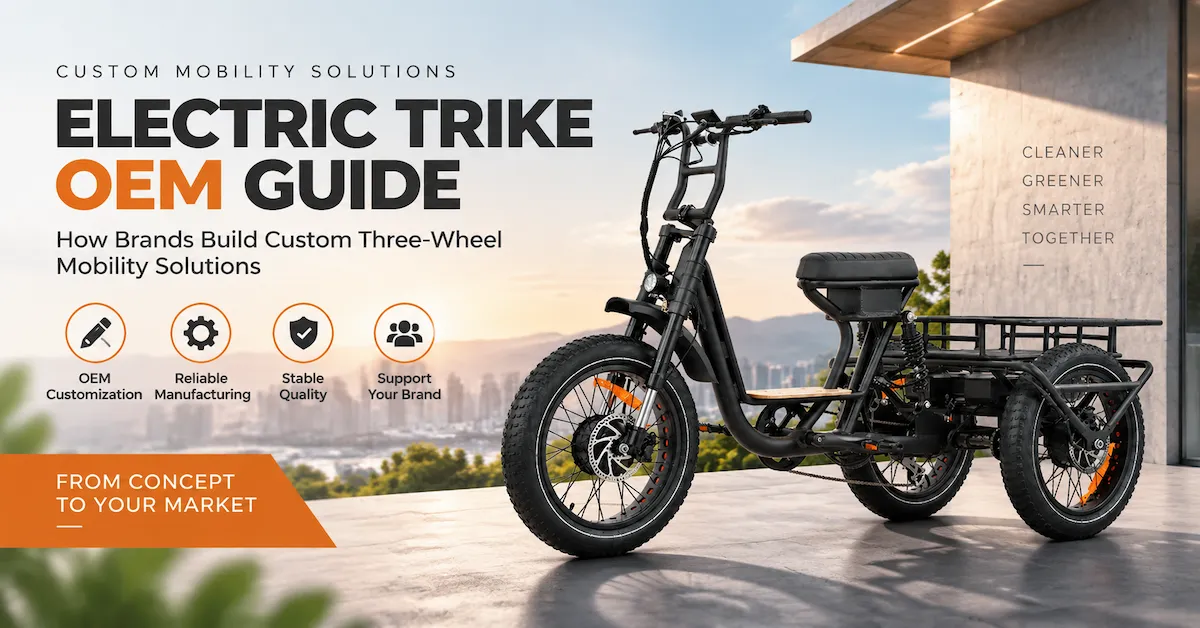
An electric trike OEM project allows brands, distributors, and commercial operators to develop a three-wheel electric mobility product based on specific market requirements instead of purchasing only a standard retail model. A successful OEM project usually involves product selection, requirement analysis, configuration confirmation, sample development, testing, production control, and long-term supply management.
For B2B buyers, OEM is not simply changing the logo or color of a vehicle. A complete project may involve different levels of customization, including branding, packaging, accessories, electrical components, cargo structures, and product specifications. Each change may affect compatibility, testing requirements, production processes, and future service support.
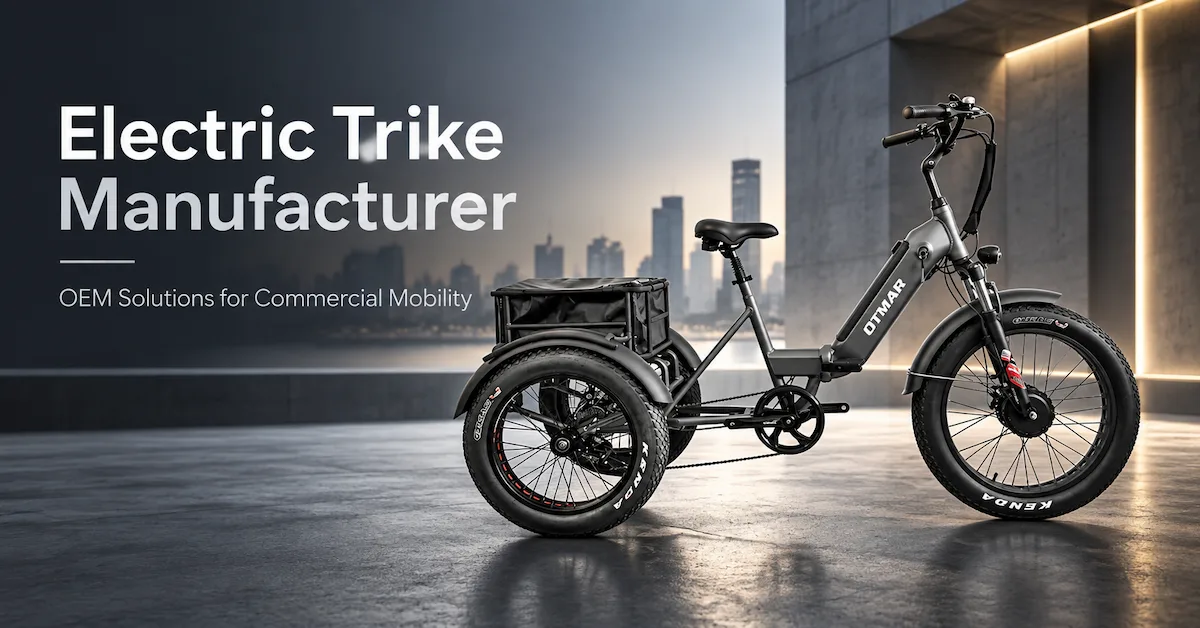
OTMAR provides electric trike products and OEM/ODM cooperation opportunities for different mobility applications. Buyers can review the available electric trike products and discuss project requirements based on target customers, application scenarios, and customization expectations.
Who Should Consider an Electric Trike OEM Project?
Private Label Mobility Brands
Private-label brands often need a product that matches their own market positioning. Instead of competing only through price, they may require:
- Unique appearance
- Brand identity
- Product differentiation
- Specific accessories
- Market-focused configurations
An OEM electric trike project allows brands to develop a product identity while working with an experienced manufacturing partner.
Distributors Expanding Their Product Range
Distributors may already understand their local customers but need a reliable production partner to create suitable products.
Their concerns often include:
- Stable product quality
- Repeat production consistency
- Packaging requirements
- Spare parts availability
- Technical support
A suitable OEM supplier should help distributors transform market requirements into practical product specifications.
Commercial Fleet and Rental Operators
Rental companies, resorts, communities, campuses, and commercial operators may require electric trikes designed around their operating environment.
Important factors include:
- Daily usage frequency
- Rider variety
- Storage conditions
- Charging process
- Maintenance requirements
For these buyers, customization should focus on improving operational efficiency rather than adding unnecessary features.
Define the Purpose Before Starting Electric Trike OEM Development
Before requesting OEM support, buyers should clearly define the product purpose.
Important questions include:
- Who is the end user?
- Where will the electric trike operate?
- Is the application transportation, utility, cargo, or rental?
- What load requirements exist?
- What accessories are required?
- What market regulations apply?
- What quantity is expected?
A product designed for community mobility may require comfort and accessibility. A commercial utility vehicle may require storage solutions and durability. A rental product may require easy operation and simplified maintenance.
The OEM process becomes more efficient when the manufacturer understands the business objective before discussing technical details.
Electric Trike OEM Customization Levels
Not every customization request requires the same development effort. Buyers should separate different customization levels.
Brand and Appearance Customization
This usually includes:
- Logo application
- Frame color
- Stickers
- Packaging design
- Product labels
- User manuals
These changes mainly affect product presentation and brand identity.
Component Customization
This may include:
- Battery configuration
- Motor selection
- Tires
- Brakes
- Lighting
- Displays
- Accessories
Component changes may require additional compatibility checks because they can influence performance, maintenance, and documentation.
Structural Customization
Structural changes usually require deeper engineering evaluation.
Examples include:
- Frame modifications
- Cargo platform changes
- New mounting structures
- Special-purpose layouts
These changes should be reviewed carefully because they may influence vehicle balance, production process, testing, and approval.
Create a Clear Electric Trike OEM Specification Sheet
A detailed specification sheet helps avoid misunderstandings between buyer and manufacturer.
| Specification Area | Information to Confirm |
|---|---|
| Product purpose | Transportation, cargo, rental, commercial, or other use |
| Target market | Country, region, customer group |
| Vehicle structure | Frame style and wheel configuration |
| Motor system | Motor type, drive position, controller |
| Battery system | Voltage, capacity, charging method |
| Dimensions | Vehicle size and storage requirements |
| Load requirements | Rider, cargo, and total load definitions |
| Accessories | Basket, platform, lights, racks, or custom parts |
| Appearance | Colors, branding, labels, packaging |
| Documentation | Product information and market requirements |
A good OEM specification should distinguish between:
- Buyer requirements
- Supplier recommendations
- Approved specifications
- Production version
This helps ensure the final production unit matches the approved sample.
How Should Buyers Select an Electric Trike OEM Manufacturer?
A suitable OEM partner should be evaluated through several areas.
Engineering Capability
Buyers should understand whether the manufacturer can support:
- Product improvement discussions
- Configuration selection
- Technical communication
- Sample adjustment
- Production changes
Manufacturing Capability
Important evaluation points include:
- Production process
- Assembly management
- Quality inspection
- Component control
- Packaging procedures
OTMAR introduces its manufacturing background and OEM/ODM capabilities through its About Us page.
Communication and Project Management
OEM projects often involve multiple stages. Clear communication is important during:
- Requirement confirmation
- Sample development
- Modification requests
- Production approval
- Repeat orders
A good OEM relationship depends on both product capability and project management.
Sample Development and Approval Process
Before mass production, buyers should evaluate a representative sample.
A practical electric trike OEM sample process may include:
Step 1: Requirement Confirmation
Define:
- Application
- Customer group
- Quantity
- Customization scope
- Technical expectations
Step 2: Prototype or Sample Preparation
The manufacturer prepares the proposed configuration according to the confirmed requirements.
Step 3: Testing and Feedback
The buyer evaluates:
- Riding experience
- Vehicle dimensions
- Functionality
- Accessories
- Appearance
- Daily usability
Step 4: Final Specification Approval
Confirm:
- Final components
- Product appearance
- Documentation
- Packaging
- Production version
Only after approval should the project move toward bulk production.
Quality Control for Electric Trike OEM Production
Quality control should be connected with the final product configuration.
Important inspection areas include:
Mechanical Inspection
Check:
- Frame assembly
- Wheels
- Steering
- Brakes
- Fasteners
Electrical Inspection
Check:
- Battery installation
- Motor operation
- Controller
- Display
- Charger
Functional Inspection
Check:
- Starting
- Braking
- Steering
- Lighting
- Charging
For OEM customers, quality control is not only about individual vehicles. It is also about maintaining consistency between samples and production batches.
Compare OTMAR Electric Trike Platforms for OEM Projects
Different electric trike platforms may support different project directions. Buyers should evaluate the starting platform according to the intended application.
| Model | Platform Direction | OEM Evaluation Focus |
|---|---|---|
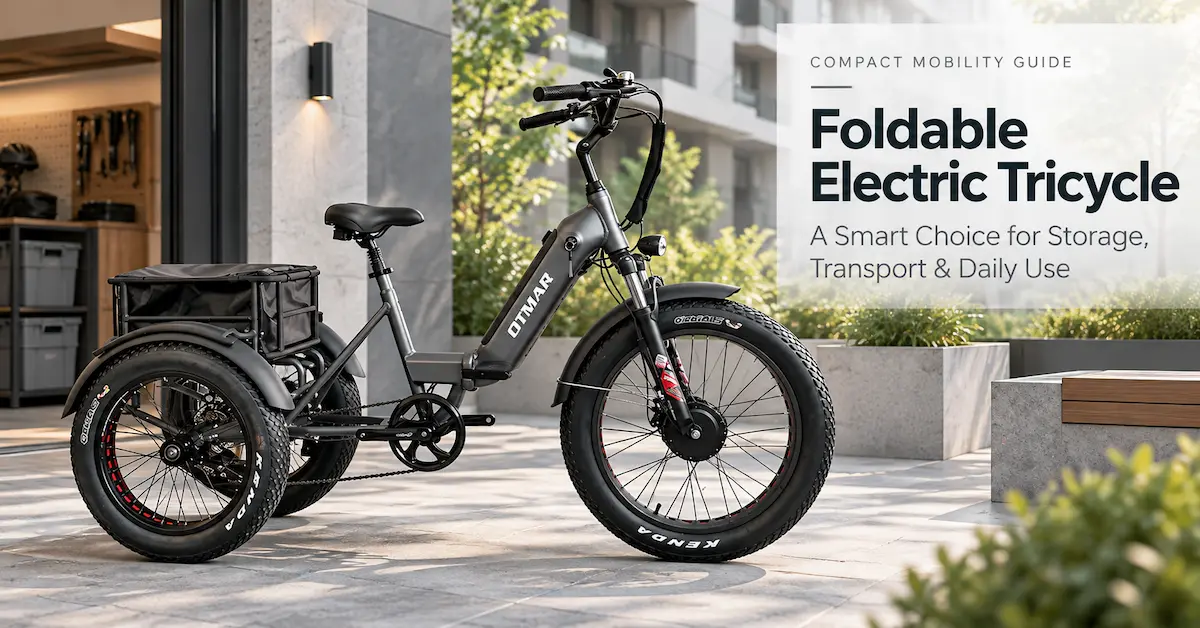
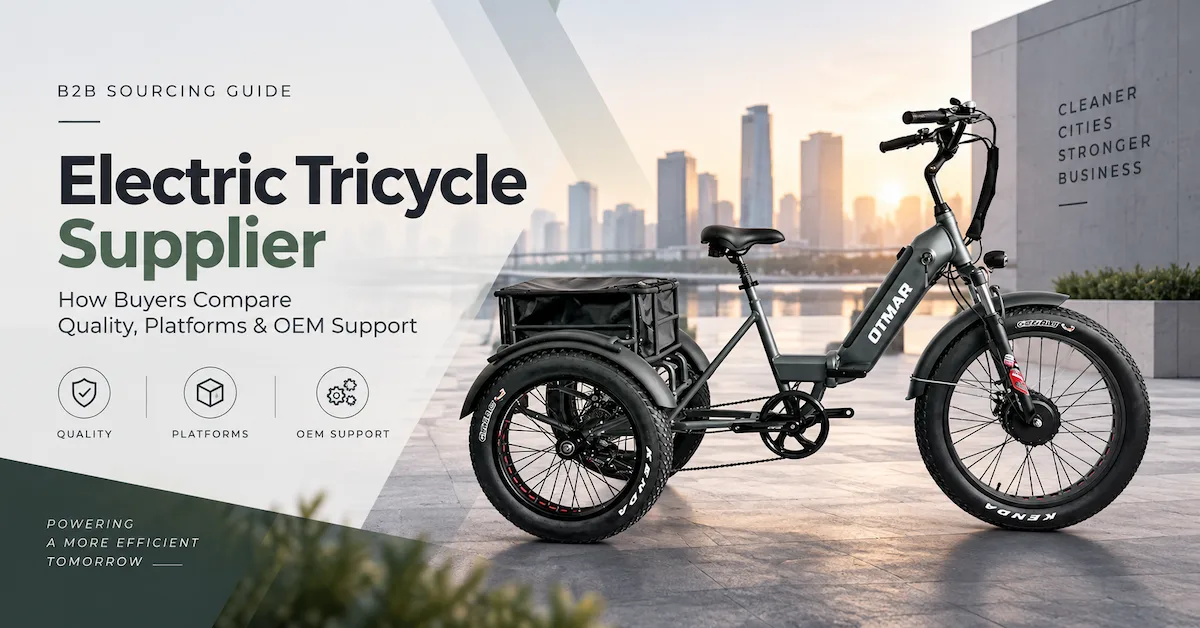
| OTM-T10 | Folding electric trike platform | Compact storage, mobility projects, folding requirements |
| OTM-T16 | Utility-oriented electric trike platform | Cargo space, commercial applications, platform requirements |
| OTM-T5 | Practical electric trike platform | Daily mobility and application customization |
OTM-T10 Electric Trike
The OTM-T10 can be considered when the project requires a more compact mobility platform. Buyers should confirm folding structure, dimensions, battery configuration, and intended usage conditions before development.
OTM-T16 Electric Trike
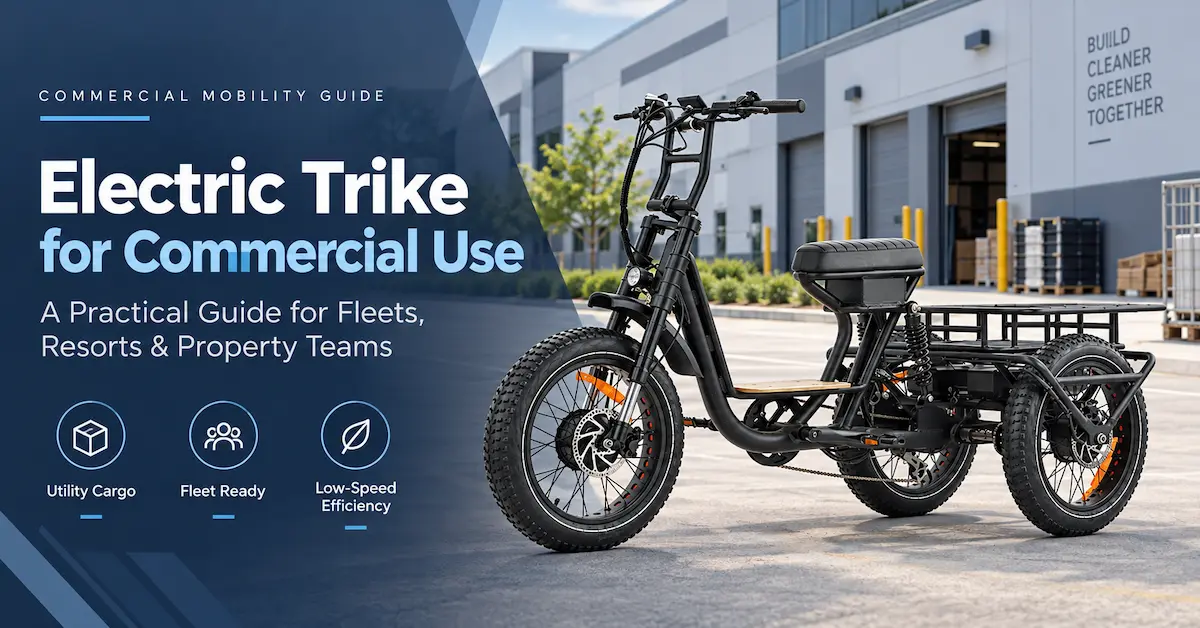
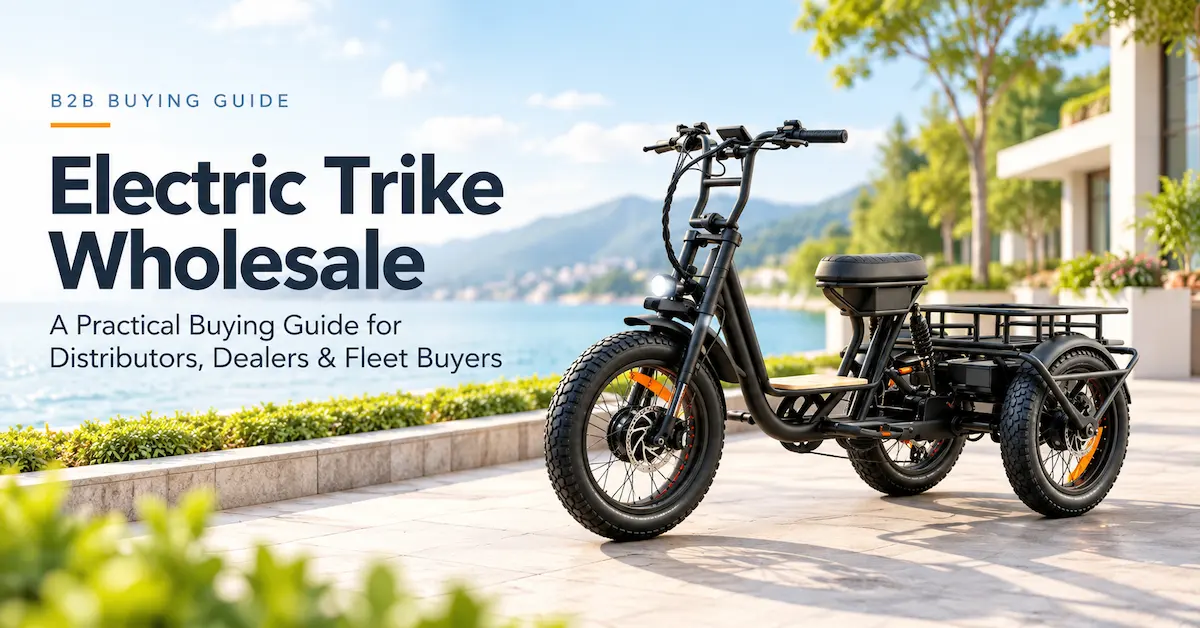
The OTM-T16 is suitable for buyers evaluating utility-oriented applications. Its rear platform design makes it relevant for projects involving storage or carrying requirements.
OTM-T5 Electric Trike
The OTM-T5 can be reviewed for practical mobility projects. Before final OEM development, buyers should confirm the latest specifications and application suitability with the manufacturer.
Electric Trike OEM Cost and Risk Considerations
OEM development involves more than product unit price.
Buyers should consider:
- Sample development cost
- Custom components
- Packaging changes
- Testing requirements
- Tooling if required
- Production quantity
- Spare parts planning
- Future modifications
A lower initial price does not always represent a lower total project cost. A successful OEM program should balance product cost, quality stability, maintenance requirements, and long-term supply capability.
OEM Cooperation and Long-Term Supply Planning
A successful electric trike OEM project should consider future cooperation, not only the first order.
Important areas include:
- Repeat order consistency
- Component availability
- Product revision control
- Spare parts support
- Communication process
OTMAR provides OEM/ODM cooperation information through its Partner With Us page.
For long-term projects, buyers should maintain clear records of approved specifications, product versions, and important changes.
How to Prepare an Electric Trike OEM Request
A detailed OEM inquiry should include:
- Target market
- Customer type
- Product purpose
- Estimated quantity
- Required specifications
- Customization requirements
- Delivery expectations
- Packaging needs
A useful request helps the manufacturer understand the project before preparing a proposal.
Buyers can review the OTMAR electric trike range and submit project details through the Contact Us page.
Frequently Asked Questions About Electric Trike OEM
What is included in an electric trike OEM project?
An OEM project may include product selection, branding, configuration adjustments, sample development, testing, production, and supply management.
Can I customize an existing electric trike model?
Many projects begin with an existing platform and adjust selected elements according to requirements. The customization scope depends on technical feasibility.
What information should I provide before requesting OEM support?
Provide target market, application, quantity, required features, customization needs, and expected timeline.
How long does electric trike OEM development take?
The timeline depends on customization level, sample requirements, testing, approval speed, and production planning.
Can OEM include private label branding?
Yes, branding elements such as logos, colors, packaging, and manuals can be discussed according to project requirements.
How do I protect product consistency after the first order?
Maintain approved specifications, product versions, component information, and communication procedures for future orders.
Should I choose OEM or a standard product?
OEM is useful when a buyer needs market differentiation or specific requirements. Standard products may be suitable when existing specifications already meet the application.
What quality documents should OEM buyers request?
Buyers should request product specifications, inspection information, approved sample details, and relevant documentation required for their market.
Can electric trike OEM projects include cargo customization?
Cargo structures can be discussed depending on the platform and requirements. Buyers should provide dimensions, weight, and usage conditions.
How can I evaluate an electric trike OEM manufacturer?
Evaluate engineering capability, manufacturing process, communication, quality control, customization support, and long-term cooperation ability.
Conclusion
Selecting an electric trike OEM partner requires a complete evaluation of product platforms, customization capability, engineering communication, quality control, and long-term supply support.
For brands, distributors, and commercial operators, the best OEM approach is not simply changing a product appearance. It is creating a controlled vehicle solution that matches the target market, application requirements, and future business plans.
OTMAR provides electric trike platforms and OEM/ODM cooperation opportunities for different mobility projects. Buyers can review the available electric trike products and contact OTMAR with their project requirements to discuss suitable product development and supply solutions.