
As electric bikes become increasingly popular worldwide, safety requirements are becoming a key factor for manufacturers, distributors, retailers, and private-label brands.
For businesses sourcing electric bikes, product selection is no longer only about:
- Motor power
- Battery capacity
- Riding range
- Product appearance
- Factory price
Electrical safety has become an essential part of the purchasing decision.
The keyword electric bike UL 2849 represents a growing concern among buyers who want to understand whether an electric bicycle meets safety expectations for electrical systems, especially in markets where battery-related safety requirements receive significant attention.
For importers and brands, choosing an electric bike manufacturer with strong electrical system management, quality control processes, and compliance awareness can help reduce potential issues during sales and operation.
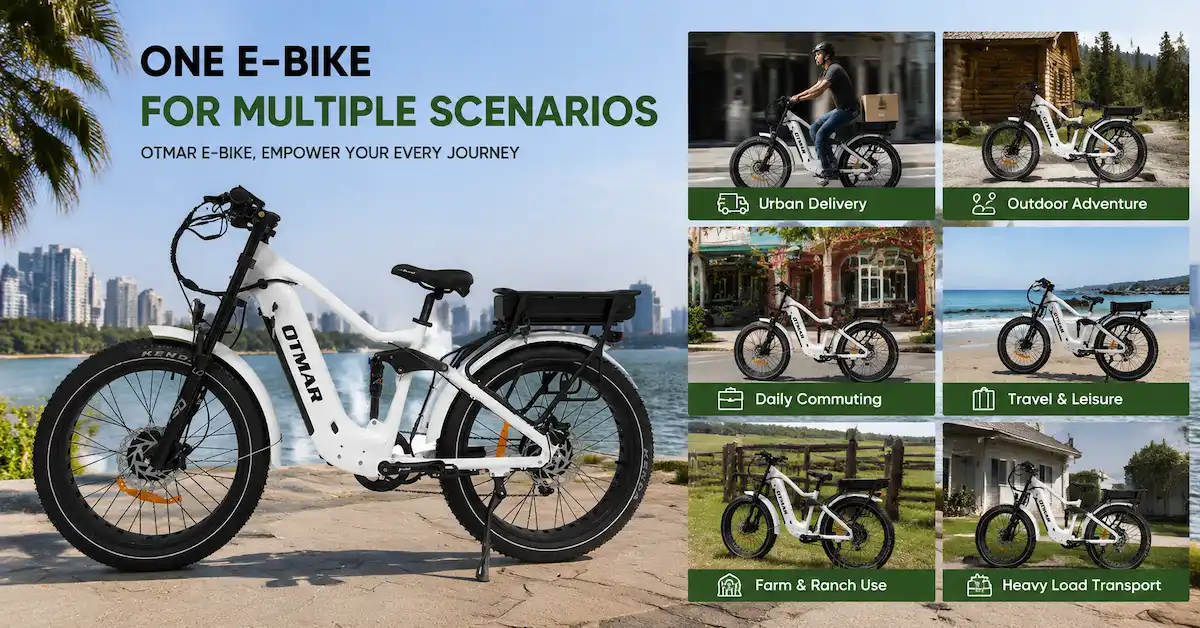
OTMAR focuses on electric mobility solutions including electric bikes and electric trikes, supporting global partners with product development, manufacturing, and OEM cooperation. Buyers can explore the OTMAR electric bike solutions for different mobility applications.
What Is UL 2849 Certification for Electric Bikes?
UL 2849 is a safety standard focused on the electrical systems of electric bicycles.
Unlike testing only one individual component, UL 2849 evaluates the relationship between key electrical systems, including:
- Battery system
- Drive system
- Charger system
- Electrical components
The purpose is to evaluate whether the complete electrical system operates safely under expected conditions.
For electric bike buyers, this means safety considerations should not focus only on the battery itself. The complete system design also matters.
An electric bicycle is a combination of:
- Battery pack
- Battery management system
- Motor
- Controller
- Wiring
- Charger
- Display system
A professional manufacturer needs to ensure these components work together properly.
Why Is UL 2849 Important for Electric Bike Buyers?
Battery Safety and Reliability
The battery is one of the most important components of an electric bike.
A reliable battery system should consider:
- Charging safety
- Temperature control
- Protection systems
- Battery management
- Component compatibility
Poor electrical system design may create problems related to:
- Overcharging
- Excessive heat
- Electrical faults
- Reduced battery lifespan
For commercial buyers, battery reliability directly affects:
- Customer satisfaction
- Warranty costs
- Brand reputation
- Product returns
A professional electric bike manufacturer should pay attention to battery quality from product development to mass production.
Building Customer Trust
For retailers and brands, safety information can influence purchasing decisions.
Customers increasingly want to know:
- Is the battery system reliable?
- Is the charger compatible?
- Does the product follow recognized safety requirements?
- Has the product been properly tested?
Safety certifications and testing documentation can help brands communicate greater confidence in their products.
For B2B buyers, selecting a supplier with strong quality systems can become a competitive advantage in the market.
Supporting Market Requirements
Different countries and sales channels may have different expectations for electric bike safety.
For example, businesses selling through:
- Retail networks
- Online marketplaces
- Commercial fleet programs
- Corporate mobility projects
may face different compliance requirements.
Therefore, buyers should confirm requirements before product development instead of waiting until after production.
What Does UL 2849 Test on an Electric Bike?
UL 2849 focuses on the safety performance of the electric bicycle electrical system.
Important areas include:
Battery System Evaluation
The battery system is evaluated for aspects such as:
- Electrical protection
- Charging behavior
- System integration
- Safety performance
A battery is not an isolated component. Its interaction with other electrical parts is also important.
Charger System Testing
The charger plays an important role in overall safety.
Important considerations include:
- Charger compatibility
- Charging performance
- Electrical protection
- System matching
Using incompatible chargers or unapproved components may increase safety concerns.
Drive System Testing
The drive system includes:
- Motor
- Controller
- Related electrical components
The system needs to operate reliably under normal usage conditions.
Wiring and Electrical Components
Electrical connections are also important.
Manufacturers should consider:
- Cable protection
- Connection quality
- Component installation
- Long-term durability
UL 2849 vs Other Electric Bike Standards
Electric bike buyers should understand that different standards focus on different markets and requirements.
| Standard | Main Focus | Typical Market |
|---|---|---|
| UL 2849 | Electric bike electrical system safety | North America |
| EN 15194 | EPAC bicycle requirements | Europe |
| CE Requirements | Product compliance framework | European market |
| UKCA Requirements | Product compliance framework | United Kingdom |
A common misunderstanding is assuming one certification applies globally.
In reality, certification requirements depend on:
- Target country
- Product configuration
- Motor system
- Battery system
- Sales channel
Before starting an OEM project, buyers should confirm applicable requirements with their manufacturer.
Does Every Electric Bike Need UL 2849?
Whether an electric bike requires UL 2849 depends on several factors.
Important considerations include:
- Target market
- Local regulations
- Retail requirements
- Distribution channels
- Product application
For example, companies entering safety-focused markets may prioritize suppliers with stronger compliance support.
However, buyers should avoid assuming:
“UL 2849 means the product is suitable for every market.”
Instead, certification planning should be part of the product development process.
How Electric Bike Manufacturers Prepare for UL 2849 Requirements
A professional electric bike manufacturer should consider safety throughout the entire development process.
Selecting Reliable Battery Components
Important considerations include:
- Battery supplier reliability
- Cell quality
- Battery management system
- Charging solution
The battery should match:
- Motor system
- Controller
- Charger
- Intended application
Designing a Safe Electrical System
Electrical system design should consider:
- Component compatibility
- Wiring protection
- Controller matching
- System stability
A complete electric bike requires cooperation between mechanical and electrical engineering.
Product Testing Before Production
Before mass production, manufacturers should verify:
- Electrical operation
- Battery charging
- Motor performance
- System stability
- Component reliability
Sample testing helps identify potential problems before large-scale manufacturing.
UL 2849 Considerations for OEM Electric Bike Projects
For private-label brands and distributors, certification requirements should be considered from the beginning.
Before Starting an OEM Project
Buyers should define:
- Target country
- Sales channel
- Product category
- Required specifications
- Certification expectations
During Product Development
Important steps include:
- Component selection
- Prototype development
- Electrical system confirmation
- Safety testing
Before Mass Production
Confirm:
- Final specifications
- Production consistency
- Required documentation
- Testing requirements
Changing electrical components after production begins may increase development costs and delay delivery.
How OTMAR Supports Safer Electric Bike Solutions
For global buyers, selecting the right electric bike manufacturer is an important part of building a reliable product.
OTMAR provides electric mobility solutions including:
- Electric bikes
- Electric trikes
- OEM and customized mobility products
The company supports B2B customers through:
- Product development
- Configuration selection
- Manufacturing cooperation
- Quality control
For brands and distributors, the right supplier should not only provide products but also understand:
- Market requirements
- Product safety
- Component selection
- Long-term product support
Buyers can explore the OTMAR electric bike products or learn more about cooperation through the OTMAR About Us page.
Common Mistakes When Choosing an Electric Bike Supplier
Only Comparing Product Price
Price is important, but it should not be the only evaluation factor.
A lower-cost product may create additional costs through:
- Warranty issues
- Customer complaints
- Component replacement
- Service problems
Ignoring Battery Documentation
Battery information should be confirmed before purchasing.
Important details include:
- Battery specifications
- Charger information
- Safety documentation
- Testing records
Checking Certification Too Late
Waiting until after production to discuss certification may cause:
- Design changes
- Additional testing
- Delivery delays
Certification planning should happen during product development.
Assuming One Certification Covers All Markets
Different markets have different requirements.
A responsible supplier should help buyers understand which standards apply to their target market.
FAQ About Electric Bike UL 2849
What is electric bike UL 2849 certification?
Electric bike UL 2849 certification is a safety standard focused on the electrical system of electric bicycles, including the battery system, drive system, charger system, and related electrical components.
Why is UL 2849 important for e-bike batteries?
UL 2849 helps evaluate the safety performance of the complete electrical system, including how the battery works together with other electrical components.
Does UL 2849 certify the whole electric bike?
UL 2849 focuses mainly on the electric bicycle electrical system rather than every mechanical part of the bicycle.
What components are tested under UL 2849?
The standard focuses on areas including:
- Battery system
- Motor system
- Controller
- Charger
- Electrical connections
Is UL 2849 required for every electric bike?
Requirements depend on the target market, regulations, sales channel, and product configuration.
Can OEM electric bike manufacturers support UL 2849 projects?
Professional OEM manufacturers can support product development, component selection, testing coordination, and documentation preparation according to project requirements.
What is the difference between UL 2849 and EN 15194?
UL 2849 mainly focuses on electric bike electrical system safety, while EN 15194 addresses electric pedal-assisted cycle requirements commonly used in European markets.
How should buyers choose an electric bike supplier?
Buyers should evaluate:
- Manufacturing capability
- Battery quality
- Electrical system design
- Quality control
- Certification support
- OEM experience
Conclusion
For global electric bike buyers, safety certification is becoming an important factor when selecting suppliers.
The keyword electric bike UL 2849 reflects a broader market trend: customers and businesses are paying more attention to electrical safety, battery reliability, and product quality.
A reliable electric bike manufacturer should provide:
- Safe electrical system design
- Quality battery solutions
- Manufacturing consistency
- Testing support
- OEM cooperation capability
OTMAR supports global partners with electric bike and electric trike solutions, helping brands, distributors, and commercial buyers develop reliable mobility products.
Explore the OTMAR electric bike range, learn about OEM cooperation through OTMAR, or contact OTMAR to discuss your electric bike project requirements.