
How to Choose the Right Electric Tricycle Manufacturer for Your Business
Choosing an electric tricycle manufacturer is not only about finding a supplier that can provide three-wheel electric vehicles. For distributors, wholesalers, mobility brands, and commercial buyers, the manufacturer must also provide reliable engineering support, consistent production quality, customization capability, and long-term after-sales cooperation.
Unlike standard bicycles, electric tricycles combine mechanical structures, electrical systems, battery technology, load management, and rider stability requirements. A qualified manufacturer needs to understand how different customers use electric trikes in real environments, including urban transportation, cargo delivery, tourism, senior mobility, commercial fleets, and special-purpose applications.
For B2B buyers, the key question is not simply:
Which electric tricycle has the lowest factory price?
The better question is:
Which electric tricycle manufacturer can provide the right product platform, quality consistency, customization support, and supply reliability for my target market?
OTMAR focuses on electric bikes and electric trikes for global B2B markets, supporting wholesalers, distributors, brands, and OEM/ODM projects. Buyers can review the company's electric tricycle products and evaluate suitable platforms according to their application requirements.
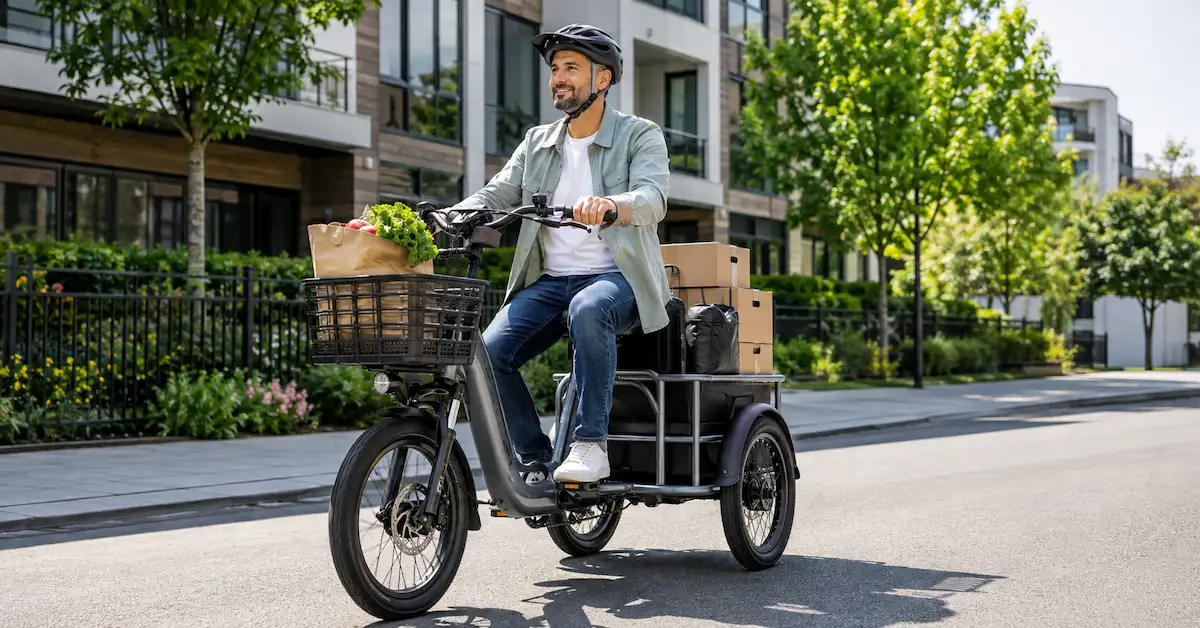
Who Should Work With an Electric Tricycle Manufacturer?
Electric tricycles serve multiple commercial markets, and each buyer type has different requirements.
Electric Tricycle Distributors
Distributors usually need:
- Stable product supply
- Competitive market positioning
- Multiple product options
- Spare parts availability
- Technical documentation
- Consistent quality between batches
A distributor selling electric trikes in Europe, North America, or Australia may need different configurations depending on local regulations, road conditions, and customer expectations.
Wholesale Buyers
Wholesale customers typically focus on:
- Factory pricing
- Minimum order requirements
- Production capability
- Packaging efficiency
- Shipping preparation
- Repeat order stability
A good supplier should help buyers select products suitable for their customer base instead of only offering a fixed catalog.
Private Label Electric Tricycle Brands
Private-label brands need deeper cooperation.
Typical requirements include:
- Brand logo
- Frame color
- Product appearance
- Model naming
- Packaging design
- User manuals
- Component selection
- Market-specific configurations
An experienced OEM electric tricycle manufacturer should be able to support product customization while maintaining production reliability.
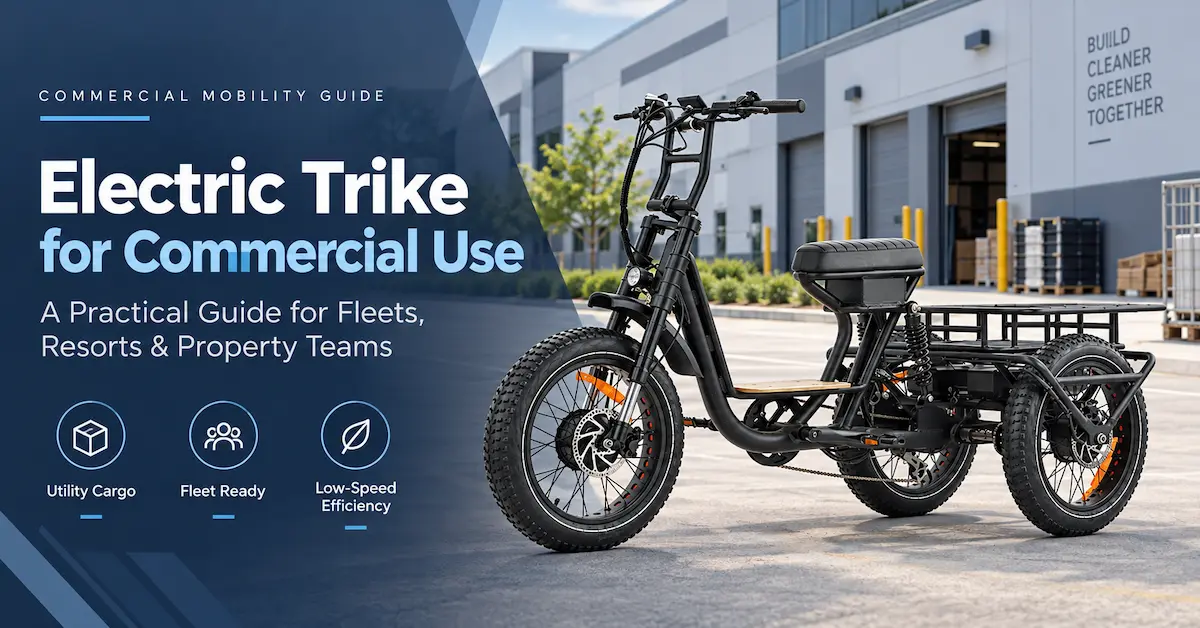
Commercial Fleet Operators
Commercial users may include:
- Delivery companies
- Hotels and resorts
- Tourist attractions
- Campuses
- Industrial parks
- Property management companies
These buyers usually care more about:
- Durability
- Maintenance cost
- Battery management
- Rider safety
- Spare parts
- Fleet standardization
A fleet product needs to perform consistently after hundreds or thousands of operating cycles.
What Types of Electric Tricycles Can Manufacturers Provide?
A professional electric tricycle manufacturer normally develops different platforms for different applications.
The main categories include:
| Electric Tricycle Type | Common Applications | Key Buyer Concerns |
|---|---|---|
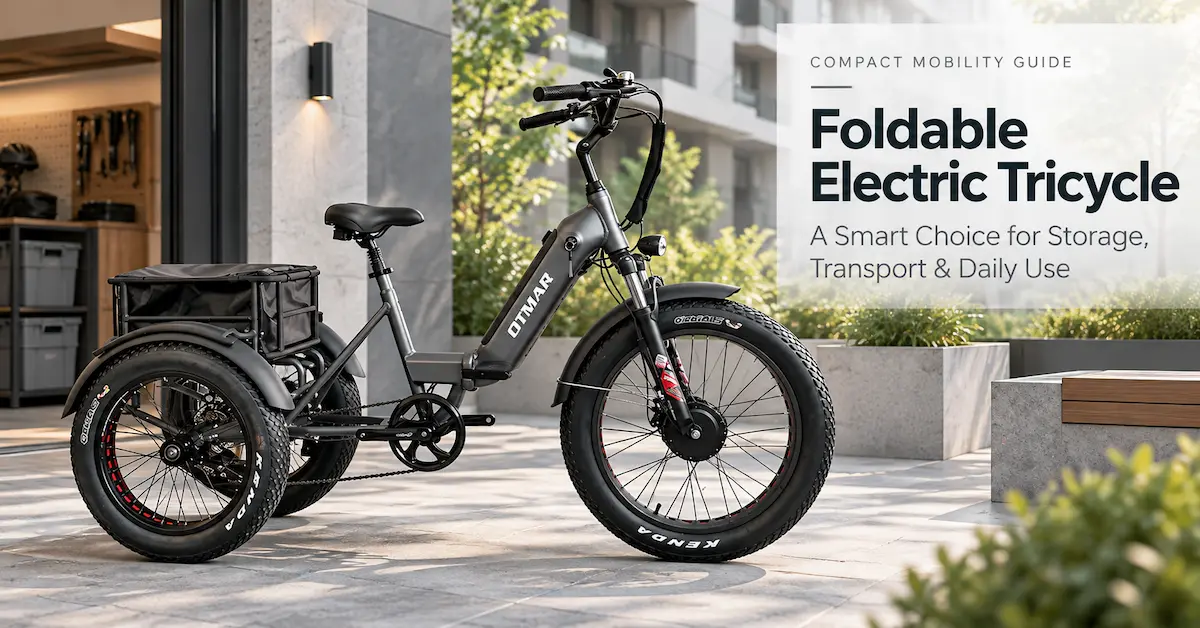
| Folding Electric Trikes | Urban users, storage-limited markets | Compact design, convenience |
| Cargo Electric Trikes | Delivery, logistics, shopping | Load stability, cargo space |
| Passenger Electric Trikes | Family transport, tourism | Comfort, safety |
| Semi-Recumbent Electric Trikes | Leisure, mobility | Ergonomics, riding comfort |
| Full Suspension Electric Trikes | Rough roads, outdoor use | Stability, shock absorption |
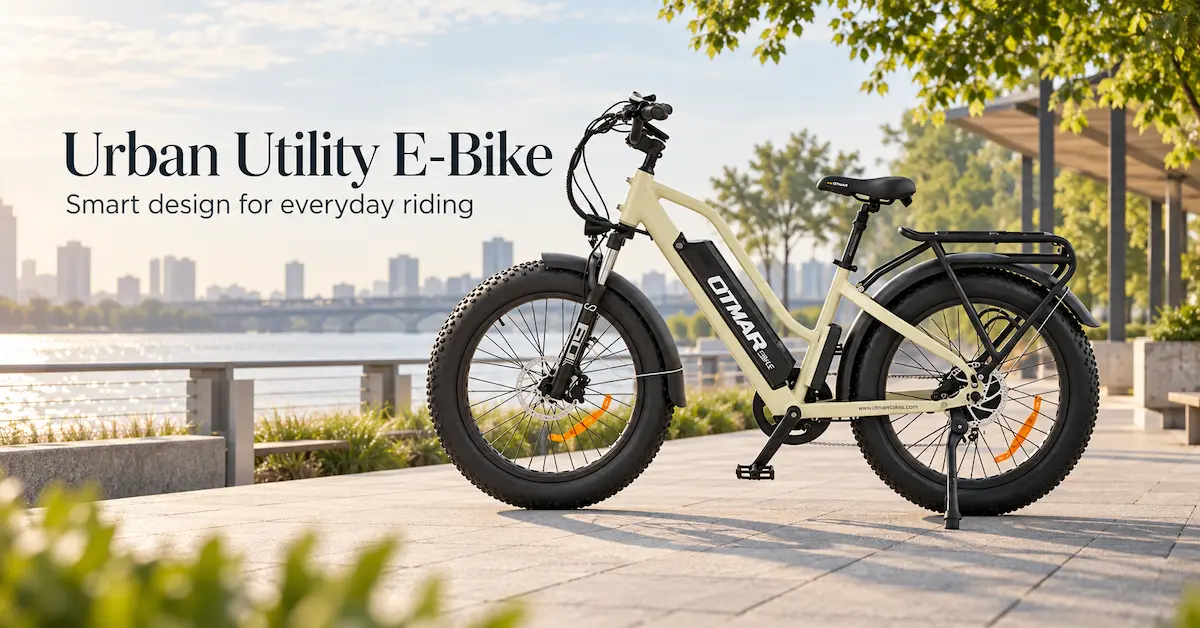
| Fat Tire Electric Trikes | Mixed terrain, outdoor applications | Traction, durability |
OTMAR currently provides electric trike platforms including models such as OTM-T10, OTM-T16, and OTM-T5, covering different utility and mobility scenarios.
What Technical Capabilities Should an Electric Tricycle Manufacturer Have?
A reliable electric trike factory should not only assemble components. It should understand how different systems work together.
The main technical areas include:
Frame Design and Structural Engineering
The frame is one of the most important parts of an electric tricycle because it must support:
- Rider weight
- Battery weight
- Motor forces
- Cargo loads
- Repeated road impacts
A manufacturer should evaluate:
- Frame geometry
- Weight distribution
- Welding quality
- Stability during turning
- Mounting points
- Cargo support structure
For three-wheel vehicles, stability is especially important because the riding dynamics are different from two-wheel bicycles.
A well-designed electric trike should provide:
- Predictable steering
- Stable low-speed movement
- Comfortable riding posture
- Controlled weight distribution
Motor System Selection
The motor determines:
- Acceleration
- Hill-climbing ability
- Load handling
- Energy consumption
However, motor power should not be evaluated separately.
A complete electric drive system includes:
- Motor
- Controller
- Battery voltage
- Wheel size
- Vehicle weight
- Payload
- Terrain conditions
For example, a cargo electric tricycle carrying heavy goods may require a different motor setup compared with a lightweight passenger mobility trike.
The correct configuration depends on the actual operating environment.
Battery System Engineering
Battery selection is one of the most important factors for electric tricycle buyers.
Manufacturers should consider:
- Battery capacity
- Cell quality
- Battery management system (BMS)
- Charging method
- Installation position
- Replacement availability
Actual range depends on:
- Rider weight
- Cargo load
- Speed
- Terrain
- Temperature
- Tire pressure
- Riding mode
Therefore, professional suppliers should avoid only providing theoretical range numbers and should help customers evaluate realistic operating conditions.
For international projects, battery safety and transportation requirements must also be considered.
The U.S. Consumer Product Safety Commission recommends using manufacturer-approved chargers and compatible replacement battery packs for micromobility products. Buyers should confirm battery specifications and safety requirements according to their market before purchasing. (CPSC Micromobility Information Center)
Electric Tricycle Components Buyers Should Evaluate
A complete electric tricycle project involves multiple systems working together.
Braking System
Three-wheel vehicles often carry more weight than normal bicycles, especially cargo models.
Buyers should evaluate:
- Brake type
- Braking response
- Loaded stopping performance
- Component durability
- Maintenance convenience
Suspension System
Suspension affects:
- Rider comfort
- Tire contact
- Stability
- Control on uneven roads
For outdoor, tourism, and rough-road applications, suspension design can significantly influence user experience.
Tires and Wheels
Tires influence:
- Grip
- Comfort
- Rolling resistance
- Stability
- Service life
Fat tires may benefit:
- Gravel roads
- Outdoor routes
- Poor pavement
while narrower tires may be more efficient for urban environments.
Controller and Display
The controller manages:
- Motor response
- Power output
- Riding modes
- Electrical protection
The display provides:
- Battery information
- Speed
- Riding modes
- System information
For commercial projects, electrical system reliability is often more important than adding unnecessary features.